The Original
01/26/2026 11:00am
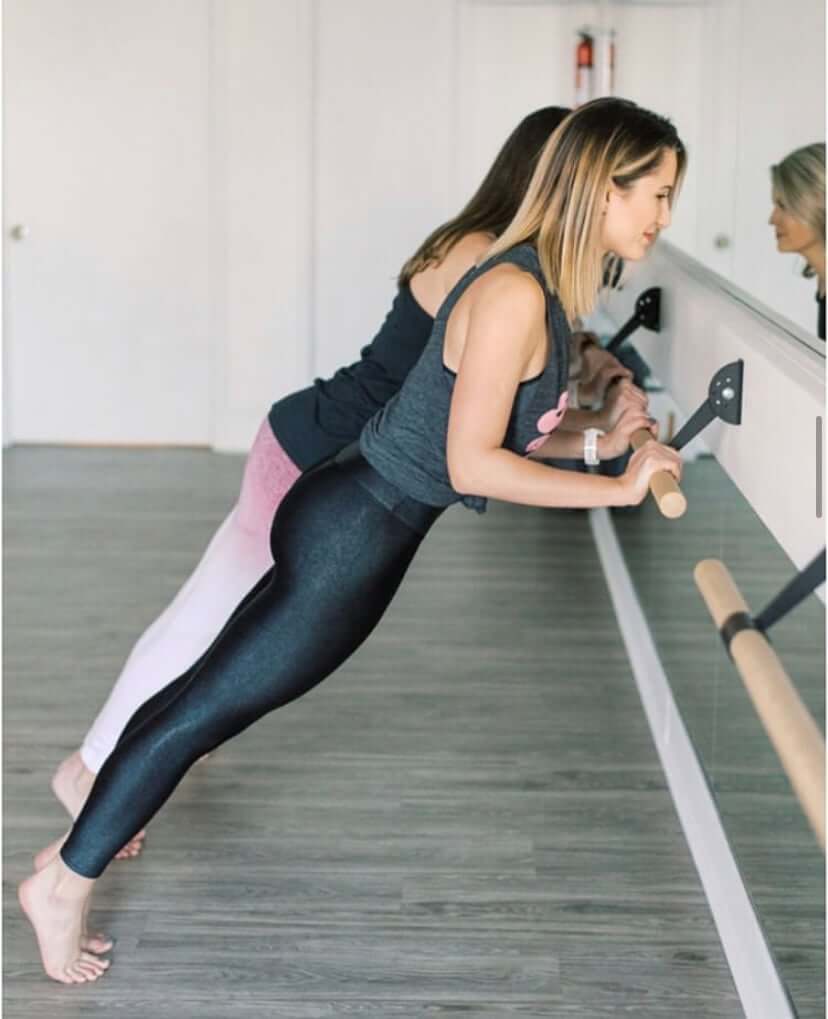 In the world of dance and barre training, strength and control are built through precision, intention, and consistency—not impact. One of the most effective ways to train the body while protecting the joints is through a floor barre workout. Originally designed as a supplemental practice for ballet dancers, floor barre has evolved into a powerful, low-impact training method embraced by dancers, barre athletes, and fitness enthusiasts alike.
Whether you’re recovering from injury, refining technique, or simply looking for a smarter way to build strength, a floor barre workout offers exceptional benefits. By removing the vertical load of standing exercises and focusing on alignment, muscular engagement, and control, this approach delivers results without unnecessary strain.
In this article, we’ll explore what a floor barre workout is, where it comes from, how it benefits the body, and why it has become an essential part of modern dance and barre training.
A floor barre workout is a structured series of exercises performed primarily on the floor, often lying on the back, side, or stomach. These movements mirror traditional ballet barre exercises—such as pliés, tendus, dégagés, and développés—but are adapted to a horizontal position.
By taking gravity and balance out of the equation, floor barre allows practitioners to focus entirely on:
Proper alignment
Muscle activation
Controlled range of motion
Efficient movement patterns
Because the body is supported by the floor, this type of workout minimizes joint compression while still delivering deep muscular engagement. The result is a training method that emphasizes quality over quantity and precision over momentum.
Floor barre has its roots in classical ballet training. Renowned teachers like Boris Kniaseff popularized the method as a way for dancers to maintain technique, recover from injury, and improve alignment. Over time, the practice expanded beyond professional ballet studios and into broader fitness and rehabilitation spaces.
Today, floor barre training is used by:
Ballet dancers and pre-professional students
Barre fitness practitioners
Pilates and movement instructors
Physical therapists and trainers
Anyone seeking low-impact strength training
The principles remain the same: train intelligently, move with control, and build strength from the inside out.
One of the most significant advantages of a floor barre training is its low-impact nature. Because exercises are performed on the floor, there is:
No jumping
No pounding on the joints
Minimal spinal compression
This makes floor barre ideal for individuals with joint sensitivities, those recovering from injury, or anyone looking to reduce wear and tear while still challenging their muscles.
Alignment is a cornerstone of effective movement. In a floor barre workout, the floor acts as a built-in feedback tool. You can feel when your spine is neutral, when your hips are uneven, or when your shoulders are misaligned.
This heightened awareness helps retrain proper movement patterns that carry over into standing barre work, dance technique, and everyday posture.
Without the support of standing balance, the core must work continuously to stabilize the body. Floor barre exercises emphasize:
Abdominal strength
Pelvic stability
Lower back support
Instead of superficial muscle engagement, a floor barre training targets the deeper stabilizing muscles that are essential for long-term strength and injury prevention.
Momentum is minimized in floor barre training. Movements are slow, deliberate, and controlled, forcing muscles to work through their full range of motion.
This level of control is especially valuable for dancers, as it improves:
Extension quality
Turnout control
Articulation through the legs and feet
The same benefits apply to barre fitness enthusiasts seeking refined, intentional movement.
Floor barre trainings focus on long, lean muscle development rather than high-impact or high-load training. This creates strength that supports flexibility, coordination, and endurance without excessive muscle bulk.
Because of its controlled, supported nature, floor barre is frequently used in rehabilitation settings. It allows individuals to:
Maintain strength during recovery
Correct imbalances safely
Rebuild neuromuscular connections
For dancers returning from injury, a floor barre workout can be an essential bridge back to full activity.
 Increased Flexibility Through Strength
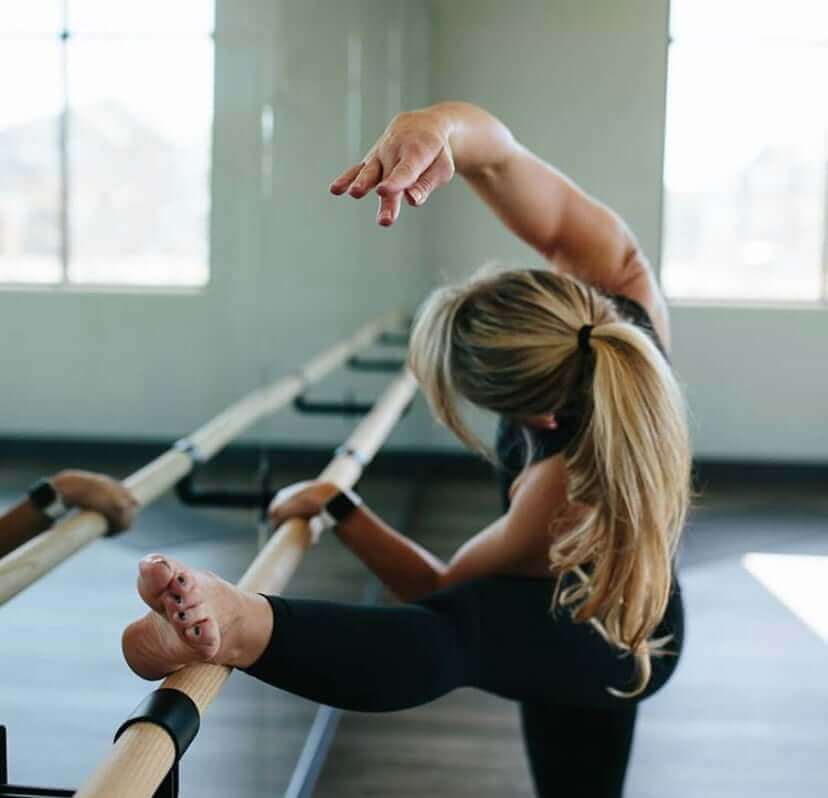
Rather than passively stretching, floor barre encourages active flexibility. Muscles are lengthened while engaged, helping to improve mobility without sacrificing stability.
A floor barre workout can be adapted for:
Beginners learning basic alignment
Advanced dancers refining technique
Older adults seeking joint-friendly exercise
Athletes cross-training for performance
No matter your experience level, the floor provides consistent support and scalability.
While routines vary, many floor barre trainings include variations of these foundational movements:
Supine Pliés – Mimic standing pliés while focusing on hip alignment and turnout control
Tendus and Degagés – Performed lying down to isolate leg articulation
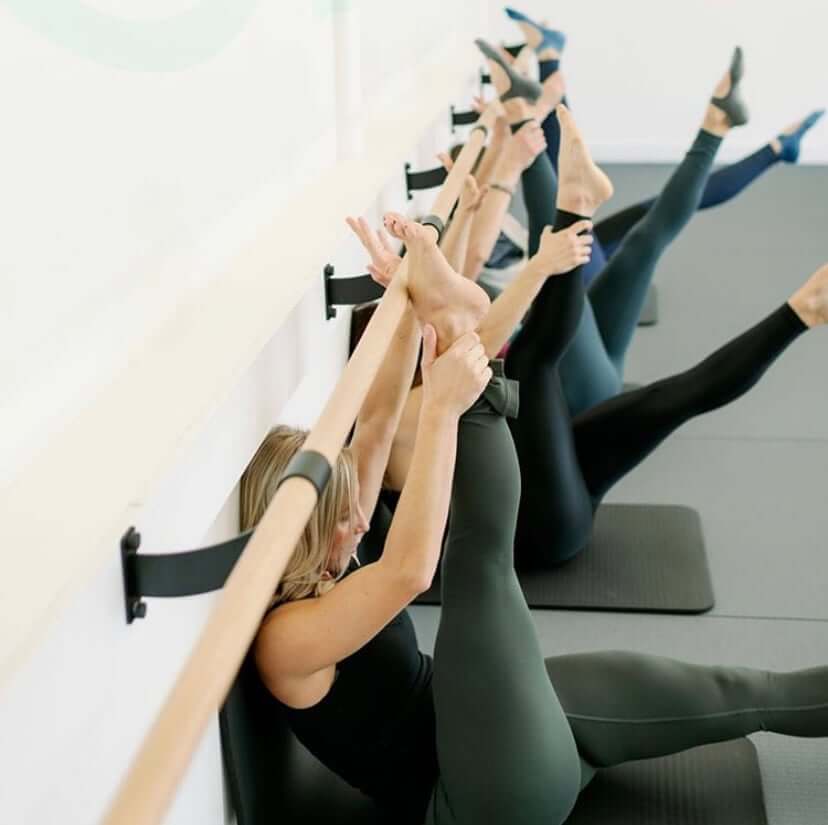
Leg Lifts and Extensions – Build strength in the hips and thighs with minimal strain
Core Stabilization Sequences – Engage abdominals and lower back support muscles
Side-Lying Series – Target glutes and outer thighs while maintaining pelvic stability
Each movement emphasizes slow execution, breath control, and precision.
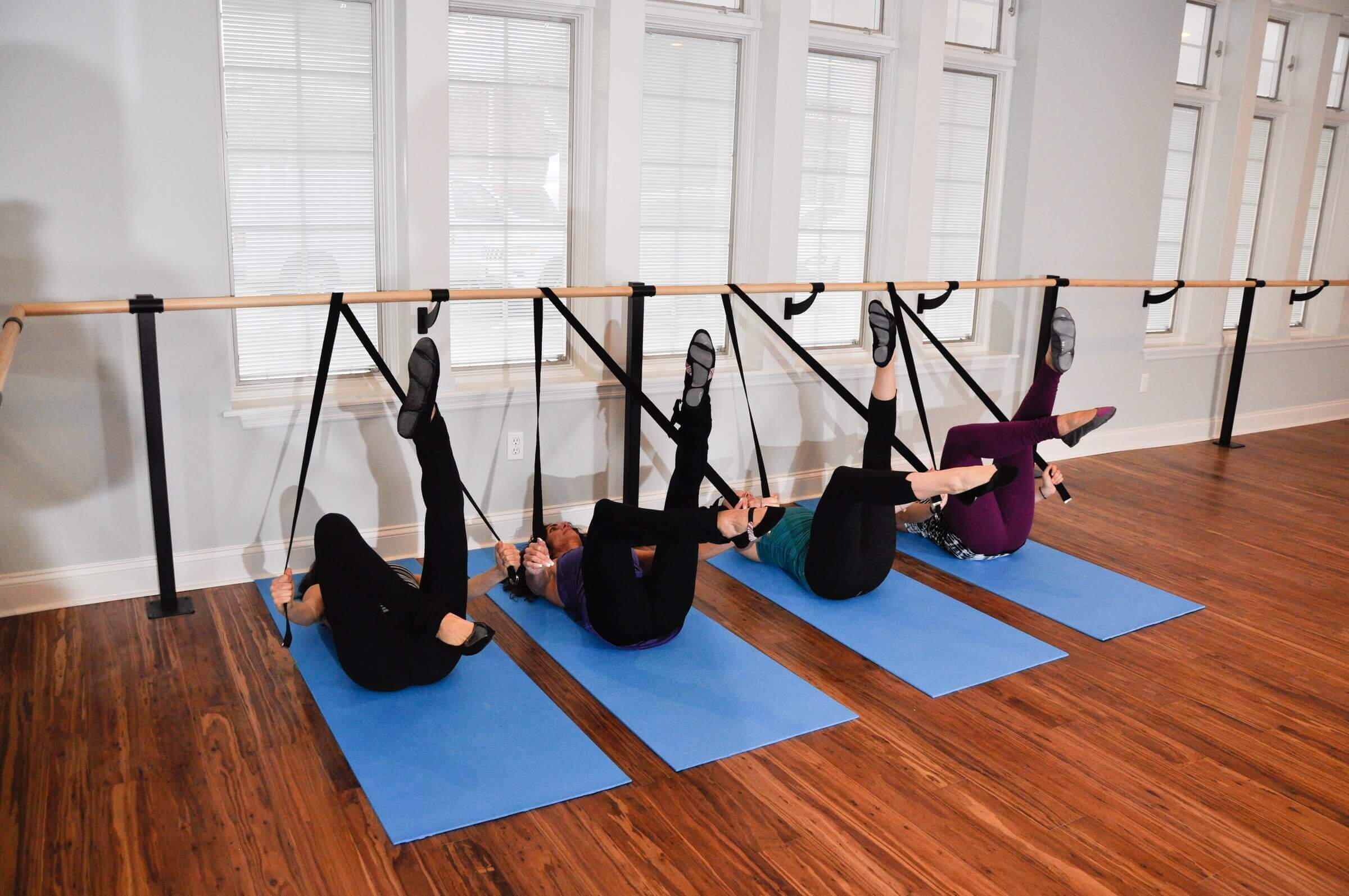 Creating the Ideal Space for a Floor Barre Workout
While floor barre requires minimal equipment, the environment still matters. A comfortable, supportive surface enhances both performance and safety. Studios and home practitioners should consider:
Adequate floor padding or mats
Enough space for full leg extension
A calm, uncluttered training area
Pairing floor barre trainings with professional-grade barre equipment—such as wall-mounted or freestanding barres—creates a well-rounded training space that supports dancers at every stage.
As more people prioritize sustainable, joint-friendly fitness, the floor barre workout has found a broader audience. It aligns with modern movement trends that emphasize:
Longevity over intensity
Control over speed
Quality over repetition
Studios are increasingly adding floor barre classes to their schedules, and at-home practitioners appreciate the ability to train effectively without large equipment or high-impact movements.
A floor barre workout can be:
A standalone class
A warm-up before standing barre work
A recovery-day workout
A technique-focused training session
Many dancers and barre athletes practice floor barre one to three times per week, depending on their goals and training load.
A floor barre workout proves that effective training doesn’t have to be high-impact or aggressive. By returning to the fundamentals of alignment, control, and intentional movement, floor barre builds strength that supports the entire body—without unnecessary strain.
Whether you’re a dancer refining technique, a barre enthusiast seeking smarter training, or a studio owner looking to expand your class offerings, floor barre is a powerful, versatile tool. Strength begins at the foundation, and sometimes the best way to rise higher is to start on the floor.