The Original
08/08/2025 5:00pm
Whether you're a dedicated dancer, a passionate student, or a teacher guiding others, mastering the pirouette can be one of the most satisfying and frustrating pursuits in ballet. While studio time is great in ballet, a barre at home can be a powerful tool to help you refine your pirouettes with greater consistency and focus.
In this guide, we'll explore how practicing pirouette preparation and technique using an at-home barre can elevate your turning ability. You'll get insights grounded in dance science, including tips for balance, alignment, muscle activation, and spotting. Let's dive in!
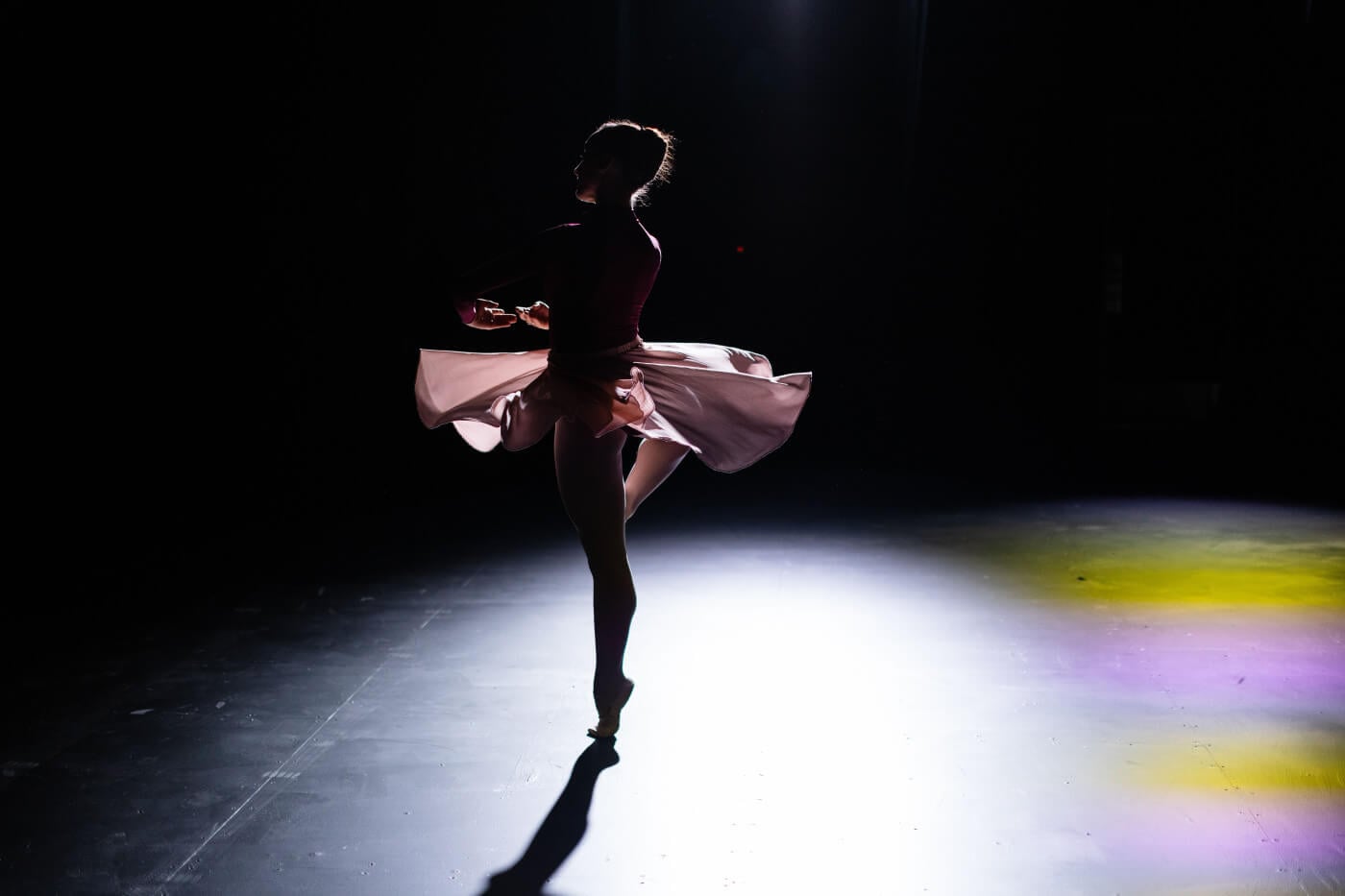
Pirouettes involve a perfect storm of preparation, core strength, balance, and timing. A beautiful turn doesn't come from brute force but rather from smart, consistent technique.
When you use a barre ballet step at home, you create a low-pressure environment where you can safely dissect and rebuild your turning mechanics.
This freedom to explore and experiment, without the pressure of performance, can be the key to a breakthrough. You can slow down, record yourself, analyze your form, and track improvements from week to week. It is about quality over quantity.
1. Consistency in Practice: Having a barre at home encourages daily practice. Small, frequent corrections lead to long-term improvements.
Even if it is just 10 to 15 minutes a day, spending on fundamentals can make a noticeable difference in control, stability, and confidence. The regularity adds up, and your body starts to remember what proper technique feels like.
2. Focus on Technique: Without class distractions, you can slow down and focus on the mechanics, perfect for working on pirouette prep.
It is a chance to drill without pressure, whether it is refining your passé, correcting hip alignment, or practicing smooth plié-to-relevé transitions. You can repeat these actions with precision, which is often not possible in a fast-paced group class.
3. Customization: With custom barres, you can adjust the height and material for your space and body type, allowing for safer and more effective practice.
Whether you need a wall-mounted model or a portable barre that fits your living room, choosing the right setup from VITA Barre allows you to create a practice space that works for you and encourages better posture and alignment.
1. Balance and Core Stability
Balance is everything in a pirouette. A barré allows you to isolate your balance before ever attempting a full turn.
These simple holds build ankle stability and challenge your proprioception, your sense of where your body is in space. You are not just training your nervous system to respond faster and stay centered during the turn.
2. Spotting
Spotting is your visual anchor during turns. It reduces dizziness and increases control.
3. Pirouette Prep Mechanics
This preparation is half the bottle. Use the barre to repeat clean fourth and fifth positions that lead into turns.
Use your mirror (or video) to ensure you're not collapsing in your torso or swinging your arms. Prep mechanics are where most pirouette problems begin; fixing them early makes everything else easier.
Alignment issues are one of the top reasons that turn fail. You can use your barre ballet equipment to ensure:
Drill: Hold the barre lightly and do a slow passé. Then, release and hold the balance. Try on both sides for symmetry.
If you tend to tip forward or lean back during your turns, these slow drills can help retrain your posture. Think of alignment as your foundation; it supports every other aspect of your pirouette.
The advantage of frequent, short sessions at your barre at home is that they will help you develop the muscle memory needed for clean pirouettes.
Consistency builds neural pathways that "automate" your turning technique. Start with small, segmented exercises:
When your technique becomes automatic, you free up mental energy to focus on artistry and performance. That's the real payoff of building muscle memory through repetition.
Many dancers misuse the barre by leaning, clenching, or letting it compensate for poor technique. Instead:
Another tip: avoid "hanging out" at the barre. Stay engaged and treat each repetition as a chance to refine. Passive practice leads to passive turns.
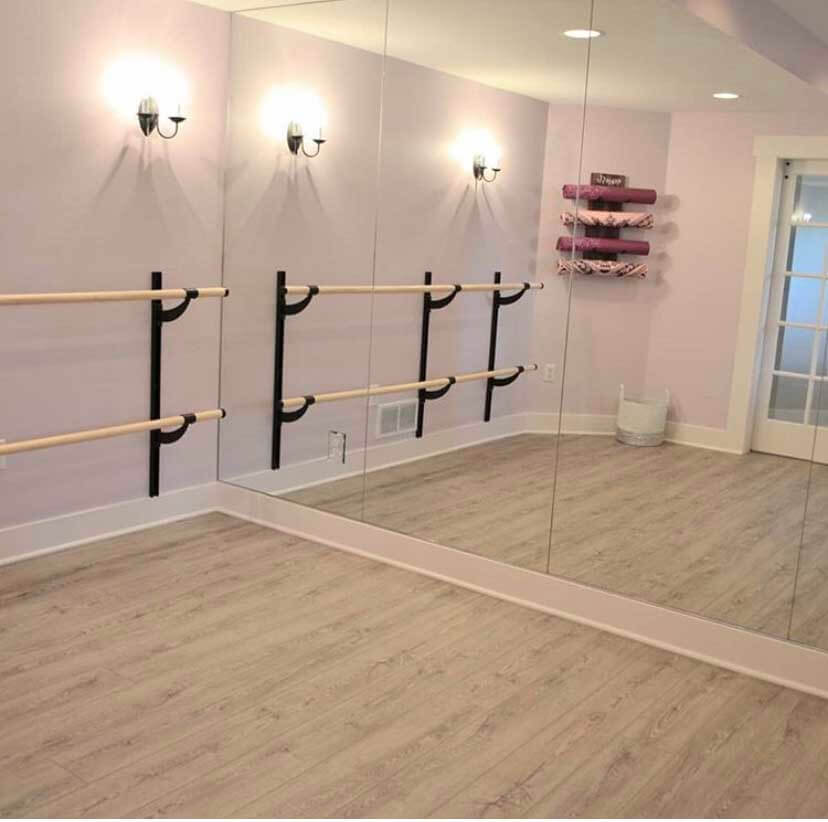
If you're committed to improving barre at home, investing in custom barres is smart. Custom options allow you to match the barre height to your body, which is especially useful for maintaining shoulder alignment during exercises in your barre routine.
Two options include:
Portable barres are especially great for renters or dancers who need flexibility. Many even fold up for stage, making it easy to maintain a dedicated practice space in a tight area.
Whatever style you choose, make sure your barre is sturdy, non-slip, and at the proper height for your arm in second position. This ensures the best support without encouraging bad posture.