The Original
05/13/2025 3:00pm
As barre classes continue to grow in popularity, fitness studios, boutique gyms, and even traditional dance schools are taking notice. These classes, known for blending ballet-inspired movement with strength, flexibility, and endurance training, demand a unique studio setup that balances aesthetics with function. Designing a space for barre classes is not just about appearance—it’s about creating an environment that supports movement, safety, community, and longevity.
In this guide, we’ll explore what makes an ideal studio layout for modern barre classes, breaking down everything from flooring to lighting, barre types, and long-term scalability. Whether you're a new studio owner or revamping your current space, these insights will help you design a space that elevates every plié and pulse.
Browse our barres here!
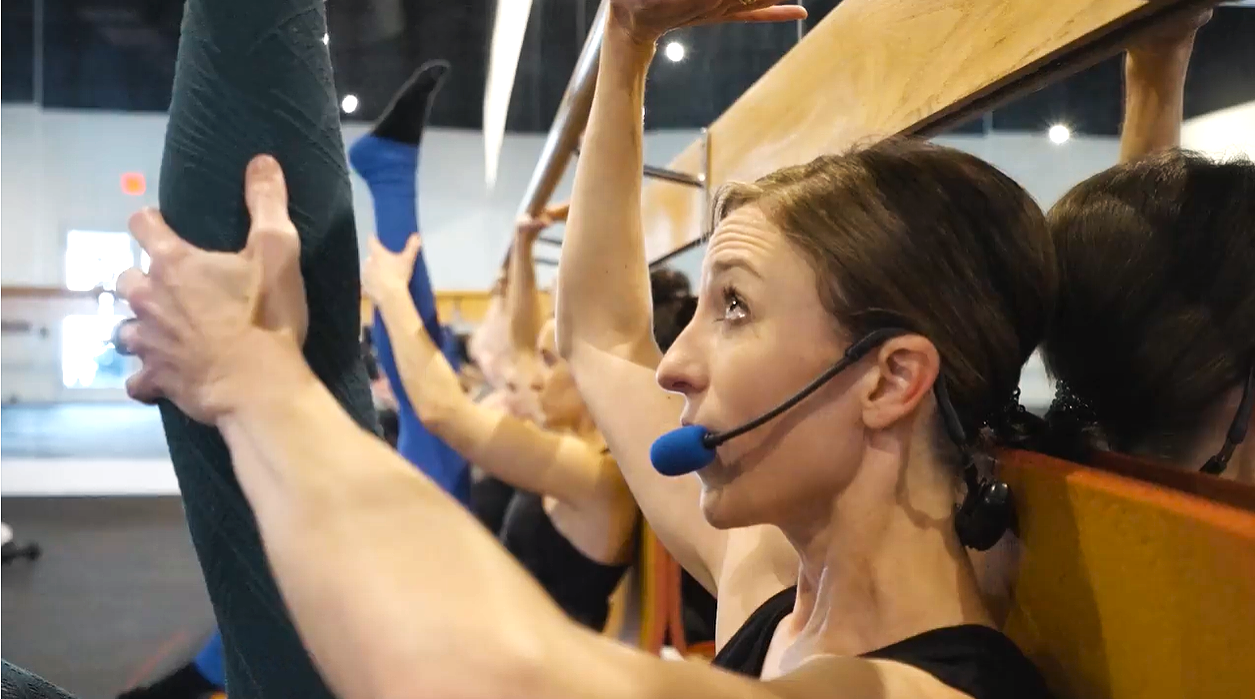
Before designing the space, it’s important to understand how barre classes have evolved. No longer confined to classical ballet training, today's barre classes often mix Pilates, yoga, strength training, and low-impact cardio. Movements typically center around the barre, incorporating small, controlled isometric exercises.
Because of this variety, studio design must accommodate dynamic workouts and transitions between standing, floor, and resistance-based exercises. Your layout, barre selection, and accessory integration should reflect these modern workout needs.
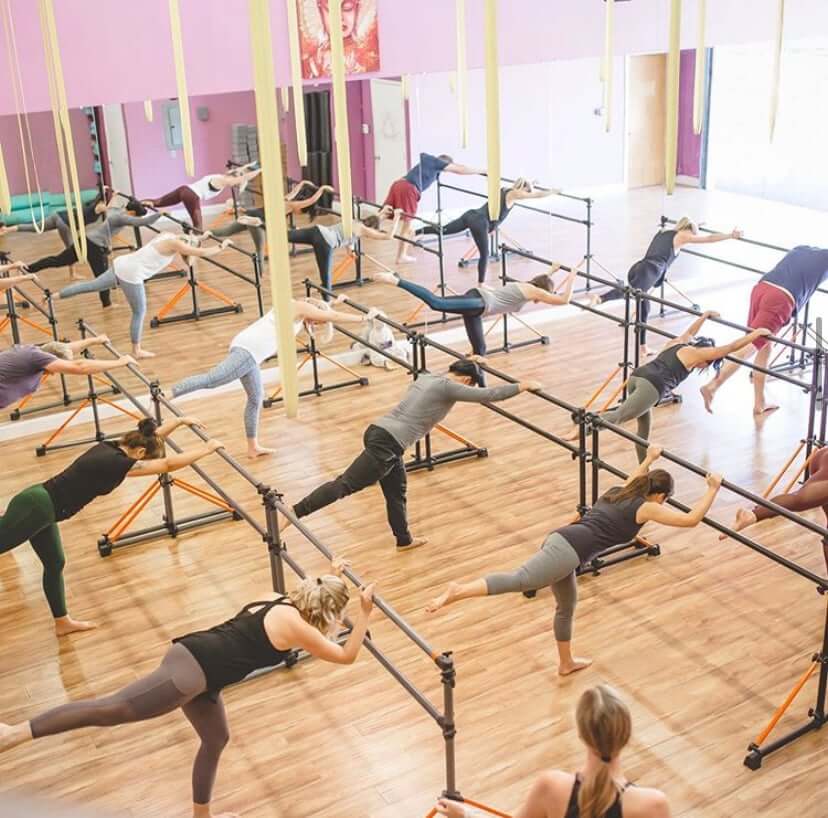
A good studio layout accounts for how people move—individually and as a group. Ideally, each participant should have a clear line of sight to the instructor and mirror, plus enough room to extend arms and legs in all directions. Most experts recommend 3 to 4 feet of horizontal space per person.
Plan barre placements along one or more walls, and consider using corners or alcoves creatively. Avoid dead zones where students might feel isolated or blocked from view. A well-mapped space makes barre classes more inclusive and easier to navigate.
Since barre workouts often involve jumping, stretching, and weight-bearing movements done in socks or bare feet, flooring is critical. Your floor should offer a balance of grip and glide, with enough give to protect joints from impact.
Popular options include sprung hardwood floors and vinyl Marley overlays. These materials are smooth enough for sliding motions but firm enough for stability. Subflooring can make a major difference in reducing injury risk during high-repetition sessions.
Choosing the right type of barre is central to studio design. Consider your space, class style, and room flexibility when selecting between:
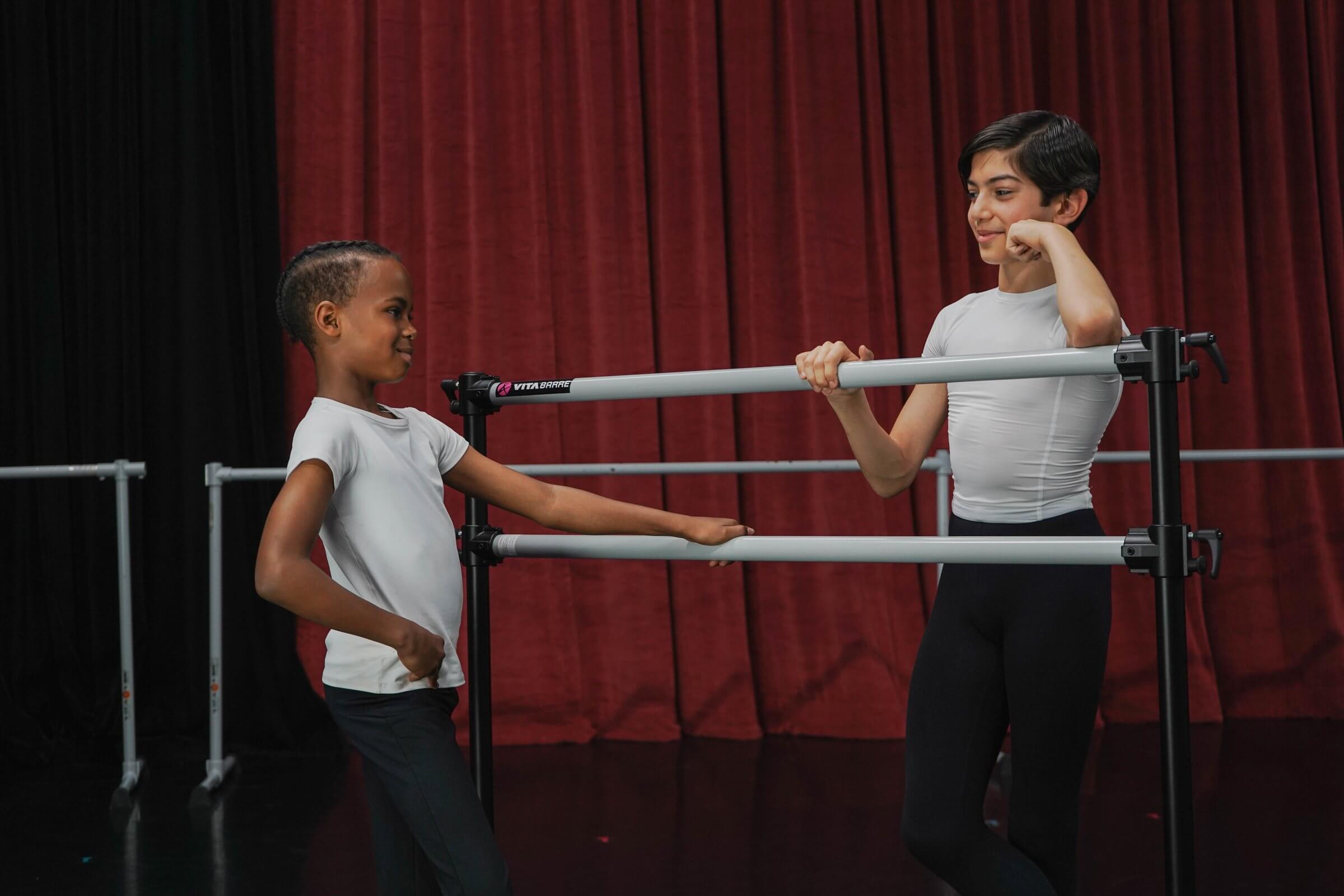
Wall-mounted barres: Best for permanent setups. They offer maximum stability and are great for studios that exclusively host barre classes.
Freestanding barres: Perfect for multipurpose studios. They’re moveable, which allows quick room reconfiguration and open space when needed.
Floor-mounted barres: Provide a sleek, stable look without requiring wall installation. Ideal for minimalist aesthetics or studios with glass or brick walls.
Each type has its strengths. Some studios even blend types to support both large group classes and private training sessions.
Lighting plays a subtle yet powerful role in barre classes. Bright, natural light can energize morning classes, while dimmable LEDs help set a calming tone for stretch-based or evening sessions.
Avoid overly harsh or clinical lighting. Soft white bulbs or warm-toned lighting can enhance the studio’s inviting atmosphere. Accent lighting under mirrors or around shelving can also elevate your brand’s aesthetic without being distracting.
Wall color matters too. Lighter hues like ballet pink, pale gray, or ivory tend to open up the space visually while reinforcing the elegance associated with barre disciplines.
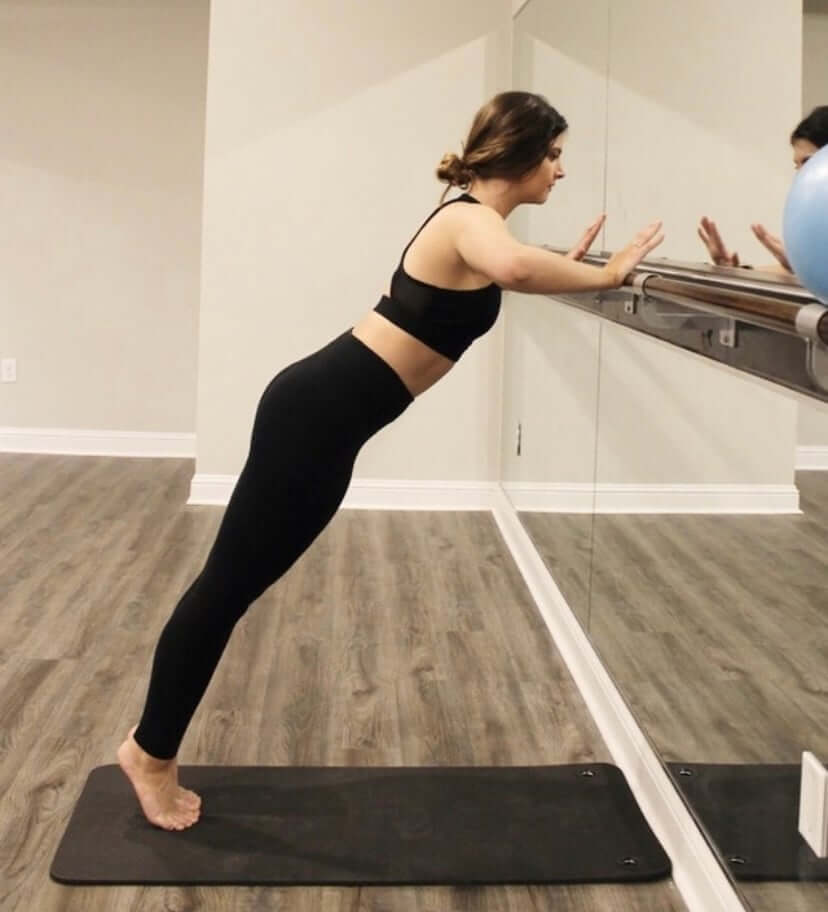
Mirrors are essential in helping clients correct form and stay motivated. Install full-length mirrors on at least one long wall, ideally where barres are located. Ensure the mirrors are securely mounted, and avoid visual obstructions like props or structural poles in front of them.
When planning for mirrors, also consider mirror lighting. Indirect lighting that bounces gently off the mirror surface works best for clarity and aesthetics.
Barre classes often involve small props like resistance bands, hand weights, yoga blocks, and mats. Without proper storage, these items can quickly clutter the space and hinder movement.
Smart storage solutions include:
Wall-mounted cubbies or racks
Custom shelving below wall-mounted barres
Baskets and rolling carts that blend into the decor
Under-bench storage for dual-purpose seating
Having dedicated spaces for each prop improves class flow and encourages tidiness from both instructors and clients.
Ventilation can make or break the barre class experience—especially during high-repetition, low-rest segments. Prioritize HVAC systems that keep air moving and maintain a consistent temperature around 68–72°F, which is ideal for movement-based workouts.
Scent can enhance the sensory experience, especially in boutique studios. Use essential oil diffusers or air purifiers with mild lavender or citrus notes. Avoid synthetic fragrances, which can be overwhelming in enclosed rooms.
With more studios offering livestream or recorded barre classes, building for technology from the start is a wise move. Reserve a quiet corner or wall for your camera setup, ensuring it has good lighting and no distractions in the background.
Use Bluetooth speakers or built-in sound systems for clear audio. Wi-Fi connectivity should be strong throughout the studio—especially where the instructor teaches from.
Studios that thrive long-term often invest in modular design. Freestanding barres can be moved or added as your client base expands. Mirrors and lighting setups that can be adjusted over time also help you evolve your brand and keep the space fresh.
If you anticipate offering pop-up events, workshops, or other types of movement classes beyond barre, plan your studio accordingly. A flexible design ensures your investment lasts longer and serves a broader community.
Designing the perfect space for barre classes means marrying aesthetics with intention. From flooring to lighting to the type of barre you choose, every decision impacts the way students move, feel, and grow. When done thoughtfully, your studio becomes more than just a place to work out—it becomes a space where movement meets purpose.
At VITA Barre, we specialize in helping studios create beautiful, durable, and functional spaces that enhance the barre class experience. Whether you’re outfitting a boutique studio or expanding a multi-use fitness space, we’re here to support your vision—barre by barre.