The Original
07/03/2025 5:00pm
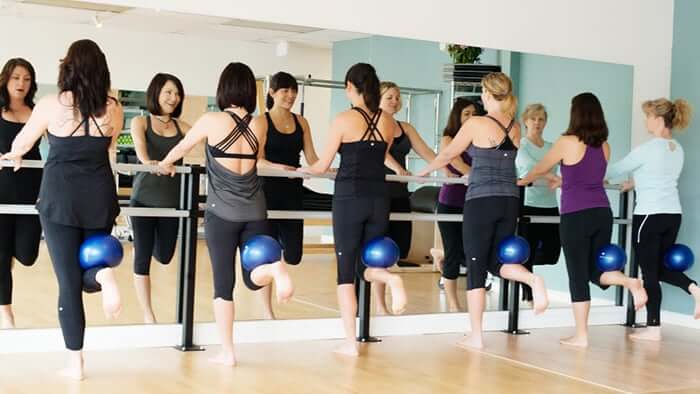
For decades, athletes have turned to cross-training to enhance their performance and reduce the risk of injuries. While traditional options like weightlifting and interval training dominate most routines, a new and beautifully disciplined form is making waves in the athletic world: barre. Rooted in classical ballet technique, barre offers a graceful yet powerful way to increase flexibility, balance, and muscular control, making it an unexpected but ideal complement to nearly every sport.
Its blend of rhythm, alignment, and muscular activation challenges the body in ways many athletes have never experienced. By engaging in this form of training, competitors expand not only physical skills but also mental focus, which plays a critical role under pressure.
This training also improves proprioception, your body's awareness in space, leading to faster reaction times and fewer injuries. Over time, it refines movement patterns so athletes not only perform better but also recover more efficiently between high-intensity efforts.
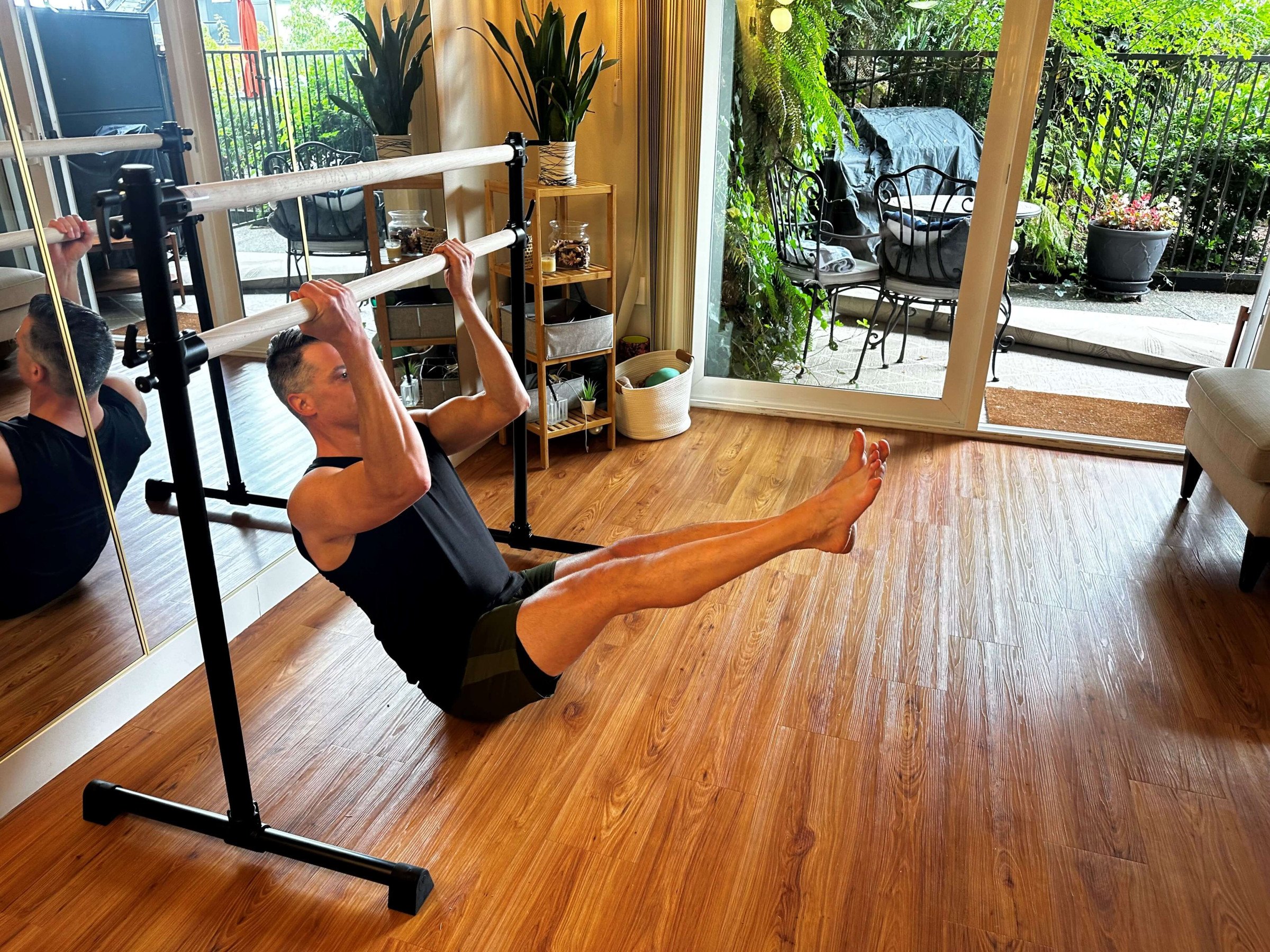
Though often associated with dancers, barre exercises draw from ballet's emphasis on posture, alignment, and fluid movement.
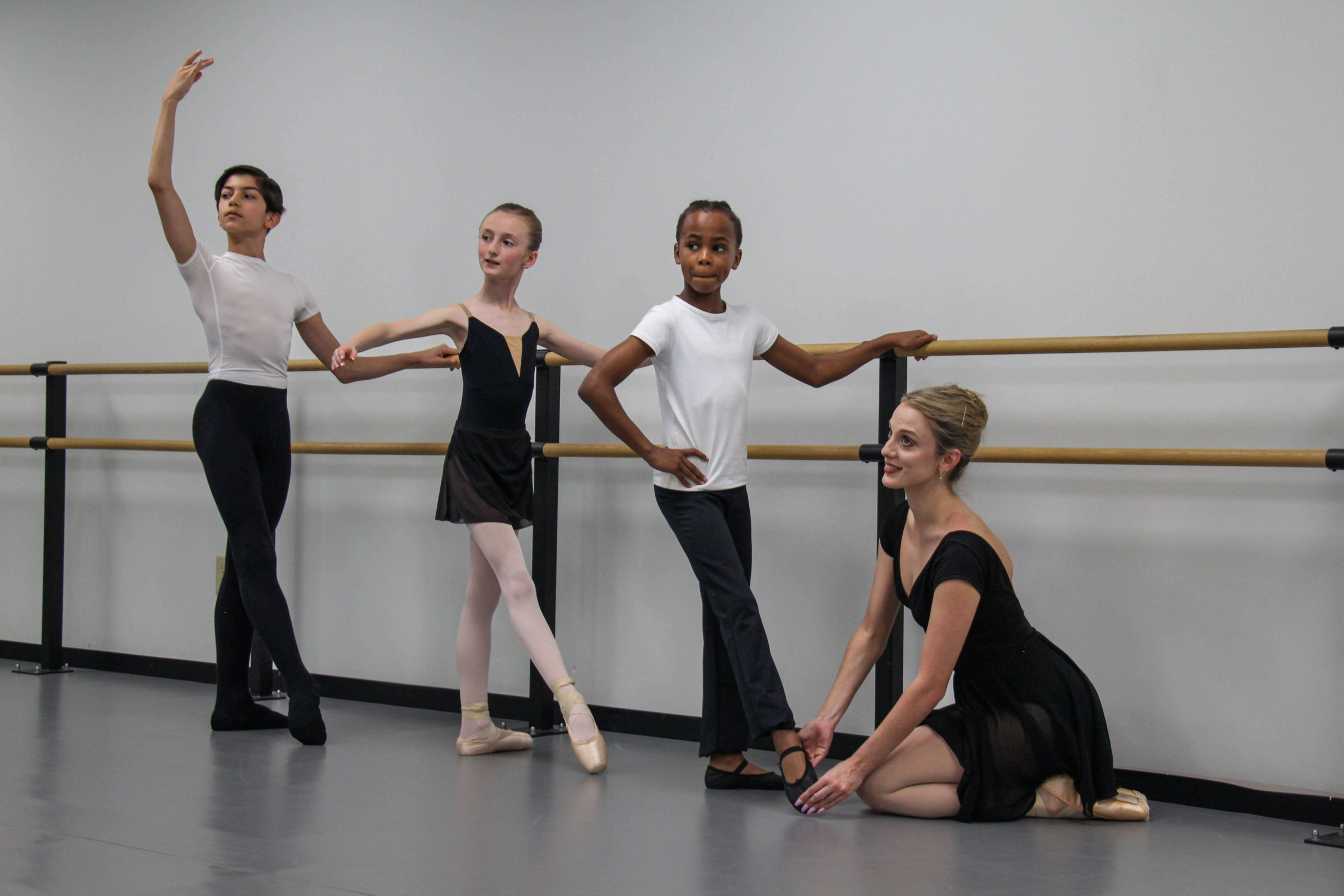
Athletes often underestimate how foundational ballet technique is to elite movement. From pliés that mimic the mechanics of squat patterns to développés that demand both range and stability, ballet requires a harmony of power and finesse that parallels the demands of sport. When athletes train in ballet, they're not just building long and lean muscles; they're also internalizing centuries of refined movement science, choreographed to perfection.
These elements translate seamlessly to athletic performance, where precision and control are key:
Unlike ballistic stretching, barre focuses on gentle elongation and progressive range of motion, ideal for tight hamstrings, hips, and shoulders. For runners and cyclists, this promotes longer strides and more fluid pedaling; for swimmers and tennis players, it allows for smoother rotation and reach.
In ballet, flexibility is functional; it supports movement quality rather than simply extending range for show. Exercises such as round de jambe or grand battlement train muscles to move with control through an arc of motion, which is essential for dynamic sport movements like kicking, throwing, or pivoting. Unlike passive stretching, barre teaches the body to own the end range, transforming flexibility into power.
At a ballet barre, every single movement begins from the core; this isn't just about abs, but deep stabilizing muscles. Strengthening these muscles helps athletes maintain better form, reduces fatigue, and minimizes compensation injuries.
Dancers train their core not just to stabilize, but to initiate and refine movement. This leads to sharper, cleaner transitions, whether between jumps or changes in direction. Athletes can benefit from this control, especially in high-speed sports that demand rapid acceleration and deceleration. The concept of "pulling up through the spine" in ballet encourages ideal spinal alignment, reducing pressure on the lower back and improving whole-body mechanics.
Ballet is synonymous with body awareness. Practicing these exercises helps athletes develop kinesthetic intelligence: knowing where the body is in space. This awareness improves movement efficiency and reduces injury risk, whether you're leaping for a basketball or sprinting down a field.
Through repetition of detailed movements, like the precise articulation of the feet in tendu or the careful turnout of the hips, athletes build neurological pathways that translate to improved muscle memory and spatial control. In sports, this means better foot placement, quicker reaction time, and safer landings. Ballet's demand for symmetrical strength also helps correct imbalances created by sport-like motions.
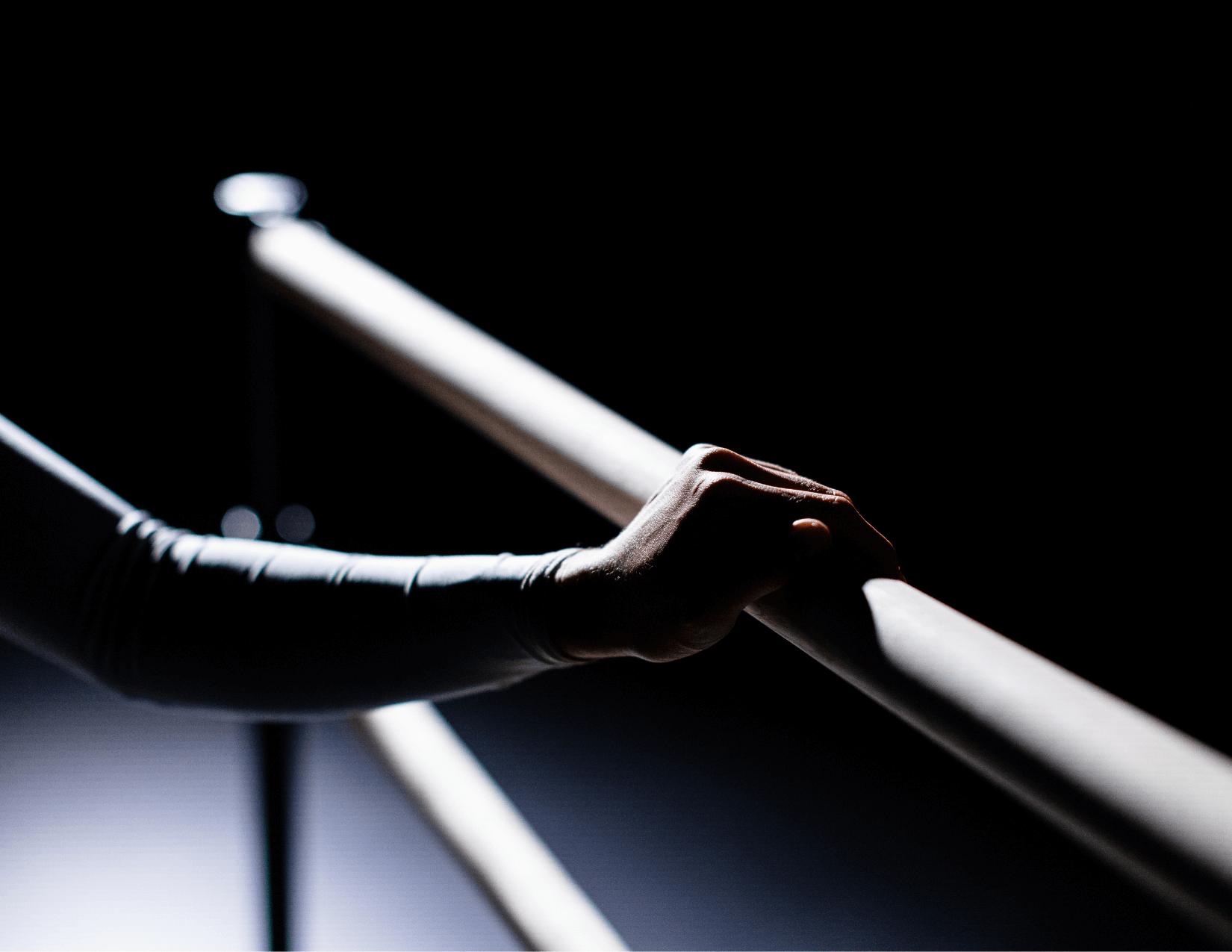
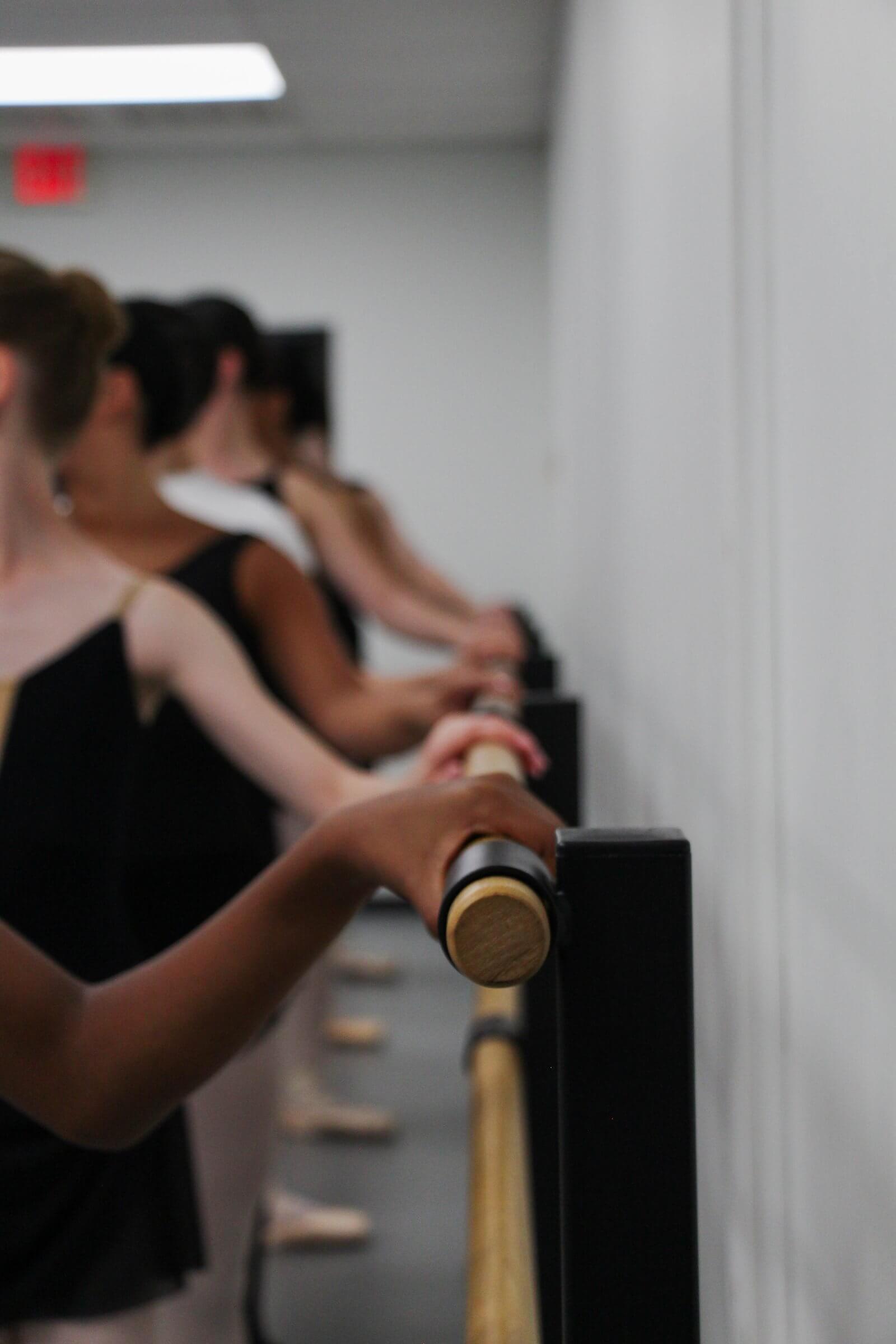
The ballet barre is more than a prop; it is a training partner. With each plié, tendu, and relevé, athletes develop a greater sense of control, refinement, and coordination. These exercises train small, often-overlooked stabilizer muscles that support the hips, knees, and ankles. areas prone to strain in high-impact sports.
These workouts draw from a rich tradition of structured progression. Each movement builds on the last, training the neuromuscular system to adapt and refine under increasing challenge. The consistent engagement of turnout muscles in the glutes, inner thighs, and calves creates a support system that protects joints while improving explosive strength.
You do not need a dance studio to reap the benefits. A ballet barre for home makes it easy to incorporate functional movement into recovery days or warm-ups. Athletes can use it for simple stretching sequences or classical ballet-based drills tailored for strength and flexibility.
Even 15 minutes of this daily practice can dramatically influence athletic output. Think of it as a movement meditation, one that fosters discipline, breath control, and postural awareness. For recovery, gentle barre flows improve circulation and facilitate muscle repair without the strain of high-impact work. Even with portable barres or maybe even a sturdy chair, athletes can integrate this timeless training tool in any environment.
While barre may seem like a gentle art form, precision and intensity are exactly what athletes need to round out their training. It bridges the gap between strength and suppleness, grit and grace. And by training at the ballet barre, athletes tap into centuries of disciplined movement designed not only to enhance physical ability, but to cultivate poise and body mastery.
It is time to recognize that ballet is not an auxiliary art, but a powerful form of athletic expression. The concentration, muscular endurance, and mental resilience required to perform a full ballet class rival those of any elite sport. For athletes looking to find that extra edge, one rooted in mastery rather than brute force, the ballet barre may just be the most refined tool they have yet to try.