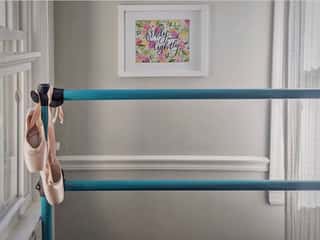
The Original
09/05/2025 5:00pm
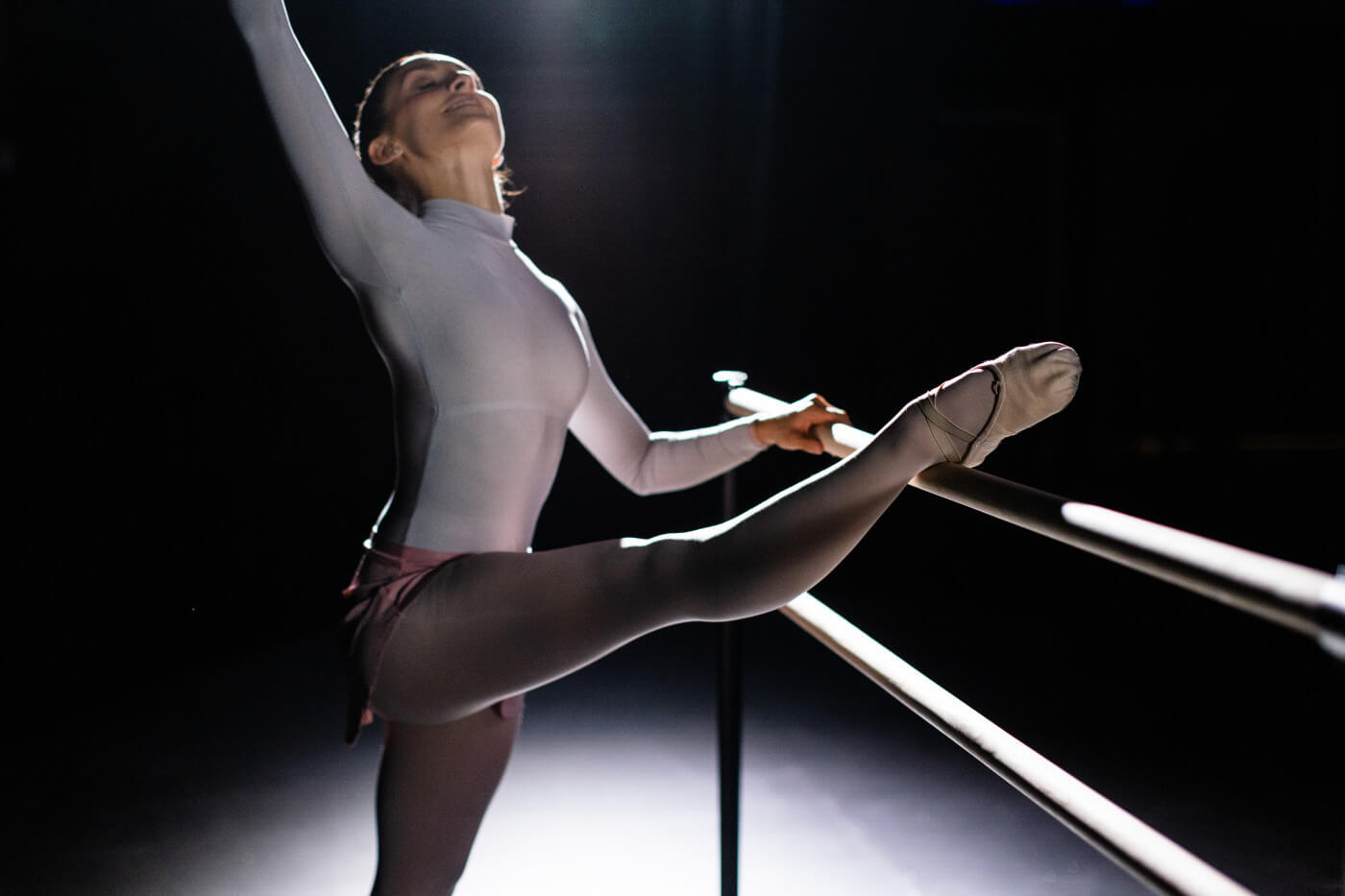
At VITA Barre, we’re proud to support the daily training rituals of ballet dancers around the world, from professional studios to living rooms with custom barres. But one thing we see too often, whether in rehearsal or at home, is a dancer pushing too far, too fast in their stretching. And it’s no surprise, the world of ballet is filled with stunning images of oversplits, dramatic backbends, and jaw-dropping flexibility.
But here’s the truth: real ballet flexibility isn’t about extremes, it’s about function, control, and longevity. The most breathtaking lines come from consistent, intentional training and the right tools (yes, like the right barres!) to support that process safely.
Today, we’re diving into how to stretch the ballet way with precision, care, and no injuries in sight.
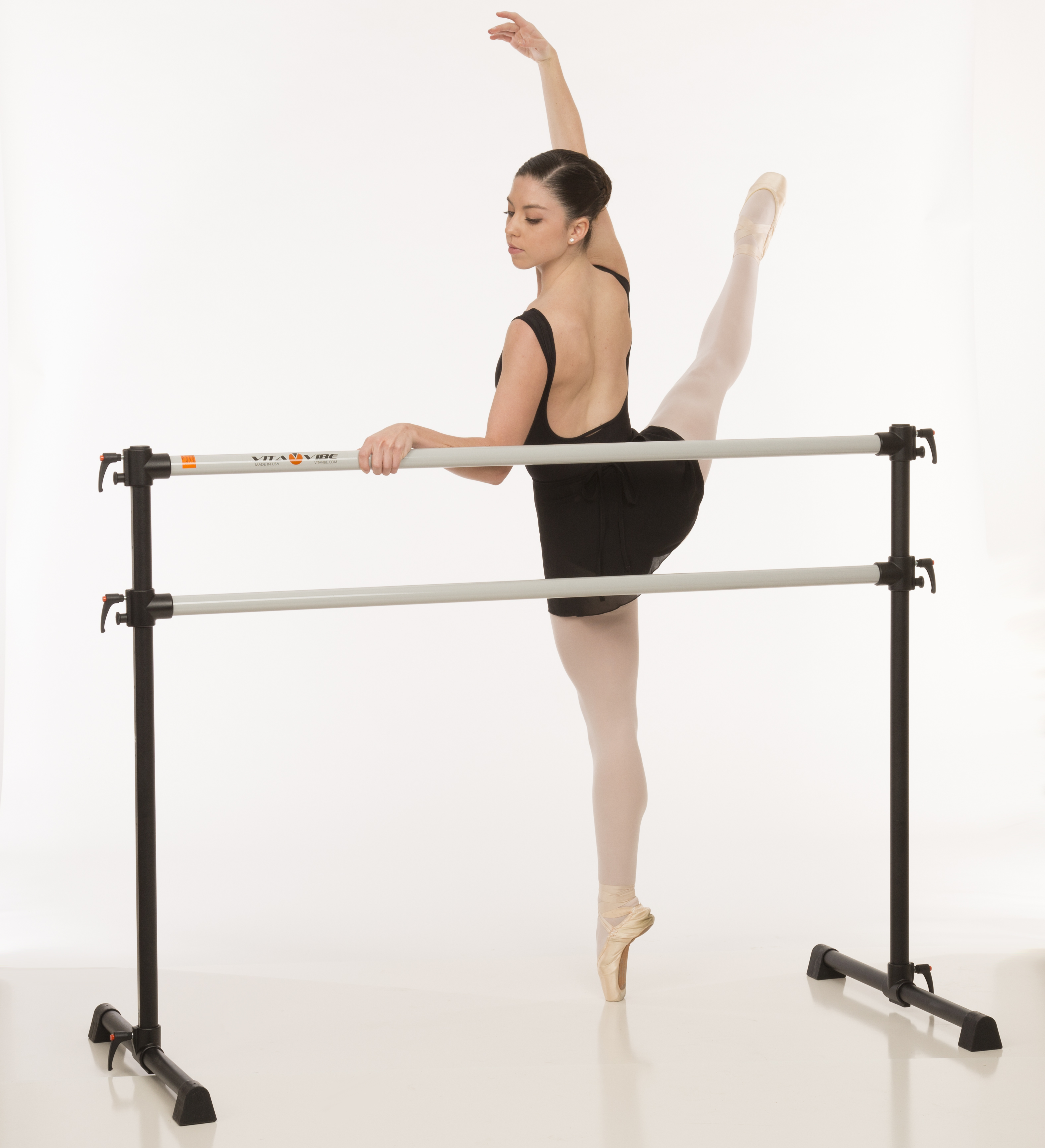
Ballet flexibility isn't about how far you can push your body. It is about how well you can move within your range, with grace, control, and musicality.
From the very first plié at the barre to the final bow onstage, flexibility allows a dancer to move with intention. But forcing flexibility? That leads to strained muscles, overstretched ligaments, and even long-term injury.
At VITA Barre, we've seen firsthand how a solid training environment, complete with well-placed barrés and a safe sitting bar height, can support better stretching habits. It is not just about the aesthetics. It is about helping dancers feel strong, supported, and stable in every phase of their routine.
One of the biggest mistakes dancers make is diving straight into deep stretches without warming up. Muscles need circulation, movement, and activation before they're ready to lengthen.
Here is how we recommend dancers approach stretching in a ballet setting:
This is where your custom barre setup comes in handy. Use your barre to support:
The goal here isn’t depth; it’s readiness.
Once you’re warm, it’s safe to deepen your stretches. This is where controlled positions like splits, lunges, and seated stretches come into play.
Use the sitting bar portion of your Vita Barre to elevate the experience, literally. A well-placed barre can assist with balance, alignment, and supported lengthening of key muscle groups.
If you take one thing from this article, let it be this: alignment matters more than depth.
That means:
In our work designing custom barres, we think about this a lot. A barre isn’t just a piece of equipment; it’s a dancer’s mirror, guide, and physical checkpoint. Whether you’re practicing at a pro studio or stretching at home, your barre should support proper technique at every stage.
Let's talk about it. The oversplit, where one leg is elevated above the ground during a split, has taken over social media. But what ballet teachers (and physical therapists) know:
It is critical to ensure that split training is conducted correctly and safely to avoid injury. Vita Barre's Split Trainer is the ideal piece of equipment to enhance your practice.
With the wrong piece of equipment, oversplits put unnecessary strain on the hip flexors, back, and knees, and worst of all, they train the body to work without proper engagement.
Instead of chasing range, focus on control. Can you lift your leg to 90 degrees at the barre? Can you hold an arabesque without wobbling? That is what real dancer strength should look like.
Over the years, we have heard different tips from dancers, instructors, and studio owners. Here are some top stretching insights:
We designed our custom barres with this kind of flexibility in mind, because no two dancers stretch the same way.
Stretch Suggestions for Ballet Dancers
Here are a few favorite ballet-friendly stretches to incorporate post-class:
Frog Stretch
Targets: hips
Tip: Keep knees and ankles in line, press gently into the floor
Standing Hamstring Stretch at the Barre
Targets: hamstrings and calves
Tip: Keep a flat back and square hips, don’t round to “touch your toes”
Lunge with Overhead Reach
Targets: hip flexors, spine
Tip: Engage the back glute to support the stretch, don’t collapse into the hip
Figure 4 Stretch (Seated or Standing at the Barre)
Targets: glutes, outer hips
Tip: Keep the spine long and the chest lifted
Use your ballet barre for support in each of these. It allows for balance, alignment, and better body awareness.
As a company rooted in the art and discipline of ballet, we believe in doing things the right way, with focus, artistry, and care. That’s why every barre we design, whether it's a freestanding sitting bar or a wall-mounted custom barrés, is made to support the dancer's journey, including how they stretch, recover, and grow.
Remember: flexibility isn't a shortcut to excellence. It’s a tool dancers use to move with freedom and intention.
Stretch the ballet way with purpose, with technique, and with the right support under your hands. Stretch with purpose. Let technique guide you, let alignment ground you, and let consistency carry you. With the right equipment and mindset, your practice becomes not just safer, but smarter. Trust your body, respect its limits, and build the kind of mobility that lasts through seasons, performances, and years of artistry.
Trust your body, respect its limits, and build the kind of mobility that lasts through seasons, performances, and years of artistry. Small, consistent choices today lead to lasting results. Stretch intentionally, train intelligently, and always prioritize progress that supports your longevity.