The Original
09/17/2025 11:30am
As autumn settles in and temperatures begin to drop, many dancers make a critical mistake: they dramatically reduce their water intake. The logic seems sound; cooler weather means less sweating, so less hydration is needed, right? Wrong. At VITA Barre, we've observed that some of the most significant performance drops and injury increases occur during seasonal transitions, often directly linked to inadequate hydration practices. Whether you're practicing at your dance barre in a heated studio or working through a floor barre workout at home, your body's hydration needs remain remarkably consistent regardless of the temperature outside.
When temperatures drop, our thirst sensation diminishes up to 40% according to research. This evolutionary response helped our ancestors conserve energy in colder climates, but it works against modern dancers who maintain rigorous training schedules regardless of season.
Additionally, cooler weather often means training in heated indoor spaces, where dry air can increase fluid loss through respiration. Every breath you take during barre exercises removes moisture from your body, and this "invisible" fluid loss can be substantial over the course of a practice session.
The combination of reduced thirst sensation and increased indoor heating creates a perfect storm for dehydration that many dancers don't recognize until performance suffers.
Even mild dehydration, as little as 2% fluid loss, can dramatically impact your training quality and safety:
Physical Performance Decreases: Dehydrated muscles lose elasticity and power. That perfect relevé becomes wobbly, your grand battements lack height, and your jumps feel heavy. Blood volume decreases, meaning less oxygen reaches working muscles, resulting in premature fatigue.
Balance and Coordination Suffer: Your inner ear, crucial for balance and spatial awareness, relies on proper fluid levels to function optimally. Dehydration can make those challenging pirouettes at your ballet rail feel impossible and increase your risk of falls during center work.
Injury Risk Increases: Dehydrated tissues are less pliable and more prone to tears. This is particularly concerning for dancers working on equipment for ballet at home, where immediate help may not be available.
Mental Focus Deteriorates: Ballet demands intense concentration and mind-body connection. Dehydration affects cognitive function, making it harder to remember combinations and maintain proper technique.
Traditional heated studios require the same hydration attention as summer outdoor activities. The combination of physical exertion, warm temperatures, and dry air creates significant fluid loss, even when you don't feel particularly hot.
Home practice presents unique challenges. Without visual cues of other dancers drinking water, it's easy to forget hydration needs during your barre workout. Additionally, home heating systems can create surprisingly dry environments that increase fluid requirements.
Don't assume that because floor work feels "easier," you need less water. The sustained muscle contractions and controlled breathing patterns still create substantial fluid demands, especially when combined with your adjusta barre routine.
Young dancers are particularly vulnerable to dehydration in cooler weather. Children have a less developed thirst mechanism and may not recognize dehydration symptoms. Parents must be proactive about ensuring regular fluid intake during children's ballet barre sessions.
Begin hydrating well before your training session. Aim to consume 16-20 ounces of water 2-3 hours before practice, followed by another 8 ounces 15-20 minutes before you begin at your barre or adjusta barre.
Don't wait until you feel thirsty during your workout. Take small, frequent sips throughout your session, approximately 6-8 ounces every 15-20 minutes during intensive training. For longer sessions exceeding 90 minutes, consider beverages containing electrolytes.
Continue hydrating after practice to support recovery. A good rule of thumb is to drink 16-24 ounces of fluid for every pound of body weight lost during training.
If training in heated indoor spaces, increase fluid intake by 12-16 ounces per hour to compensate for dry air. Consider using a humidifier in your home practice space if you have barre equipment at home. VITA Barre's slide tracks and adjustable systems can help you optimize your setup for comfort during longer sessions.
Cooler weather can mask dehydration symptoms, making it crucial to recognize subtle warning signs during training:
Early Signs:
Advanced Signs:
If you notice any of these symptoms, increase fluid intake immediately and consider modifying your practice intensity.
While water should be your primary hydration source, certain additions can enhance your body's ability to retain and utilize fluids effectively:
During intensive training sessions that last longer than an hour, particularly when practicing demanding combinations at your ballet rail, consider beverages containing sodium and potassium to maintain optimal electrolyte balance.
Natural options like coconut water provide natural electrolytes without added sugar. Adding a pinch of high-quality sea salt to your water can improve retention and cellular hydration.
Avoid large quantities of fluid immediately before intense turning or jumping combinations to prevent discomfort. Instead, focus on consistent, moderate intake throughout your session.
Visual Reminders: Keep a water bottle visible during home practice with your ballet barre, ballet rail, or adjusta barre equipment. This visual cue helps maintain consistent intake even when focused on challenging dance barre movements like ballet cambre.
Technology Assists: Set gentle reminders on your phone to prompt regular hydration breaks during longer practice sessions.
Family Accountability: If practicing with family members using a children's ballet barre, make hydration a shared responsibility. Children learn healthy habits by observing consistent adult behavior.
Track Your Intake: Consider keeping a simple hydration log during the first few weeks of cooler weather to establish new training habits.
Myth: "I don't sweat as much in cool weather, so I don't need as much water during practice."Reality: Fluid loss through respiration increases in dry, heated indoor spaces, often equaling or exceeding warm-weather sweat loss.
Myth: "Coffee and tea count toward hydration during training."Reality: While these beverages do provide fluid, their mild diuretic effect makes water a more efficient hydration choice for active individuals.
Myth: "I can make up for poor hydration with extra water after practice."Reality: Optimal performance requires consistent hydration before, during, and after training.
Proper hydration supports every system involved in safe, effective movement during training. Well-hydrated joints move more smoothly, muscles contract and relax more efficiently, and your nervous system communicates more effectively with working muscles.
This becomes particularly important when working with barre equipment, where precision and control are paramount. Whether you're executing controlled ballet cambre movements at your adjusta barre or flowing through a challenging floor sequence, optimal hydration supports the neuromuscular coordination essential for safe practice.
At VITA Barre, we view proper hydration as an essential form of self-care and respect for your body's needs. Just as you wouldn't expect your car to run without adequate fluids, your body requires consistent hydration to perform at its best during dance barre training.
As the seasons change and dance barre practice continues, maintaining optimal hydration becomes an act of self-advocacy. Whether you're warming up at your dance barre, flowing through combinations in the center, or cooling down with gentle stretches, proper hydration supports every moment of your practice.
Don't let cooler weather trick you into compromising this fundamental aspect of dance barre training excellence.
Ready to optimize your training environment? Explore VITA Barre's professional-grade ballet barres and create a home practice space that supports every aspect of your wellness, from proper hydration to perfect technique.
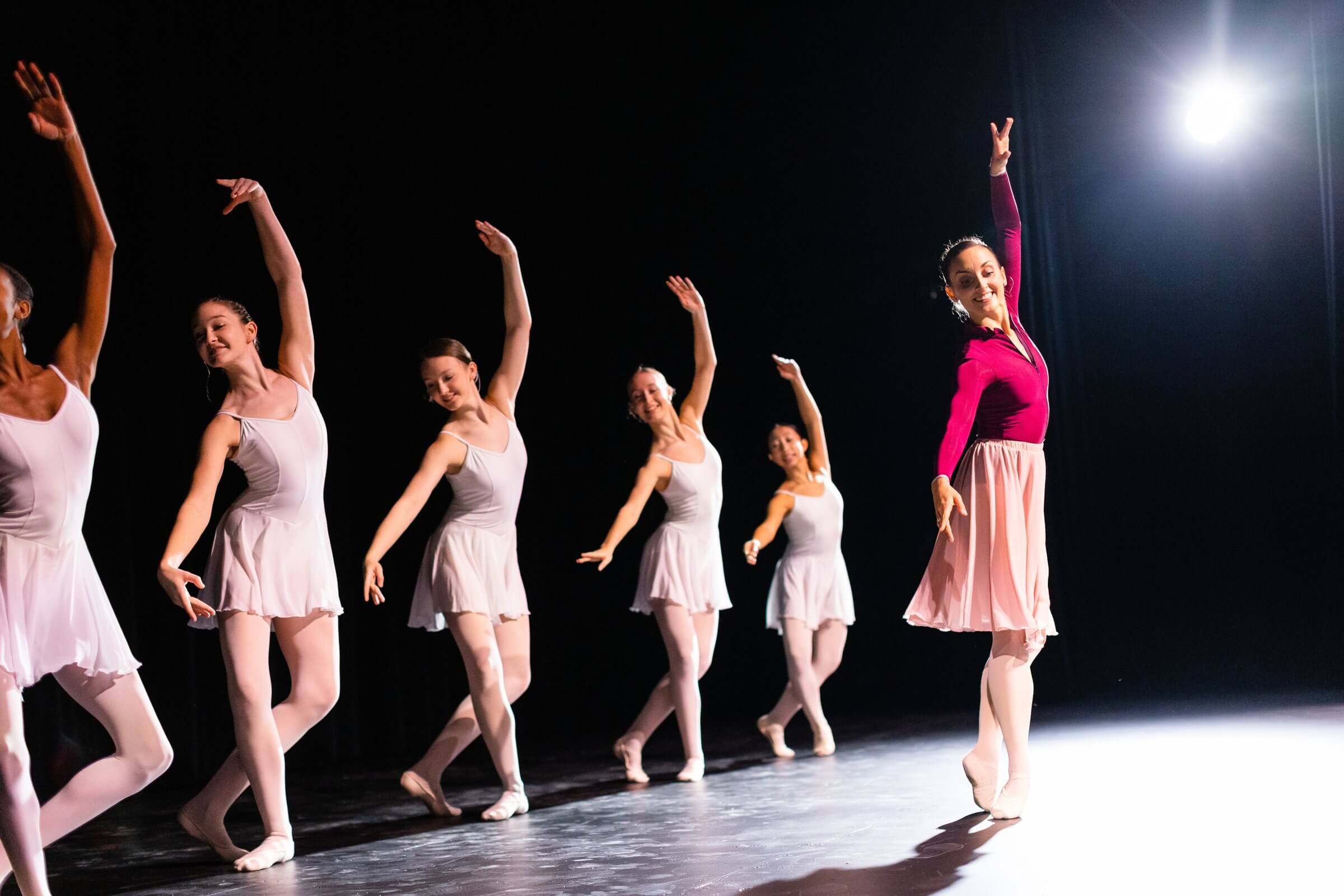
Because taking care of your body is the foundation of every beautiful dance barre movement.
