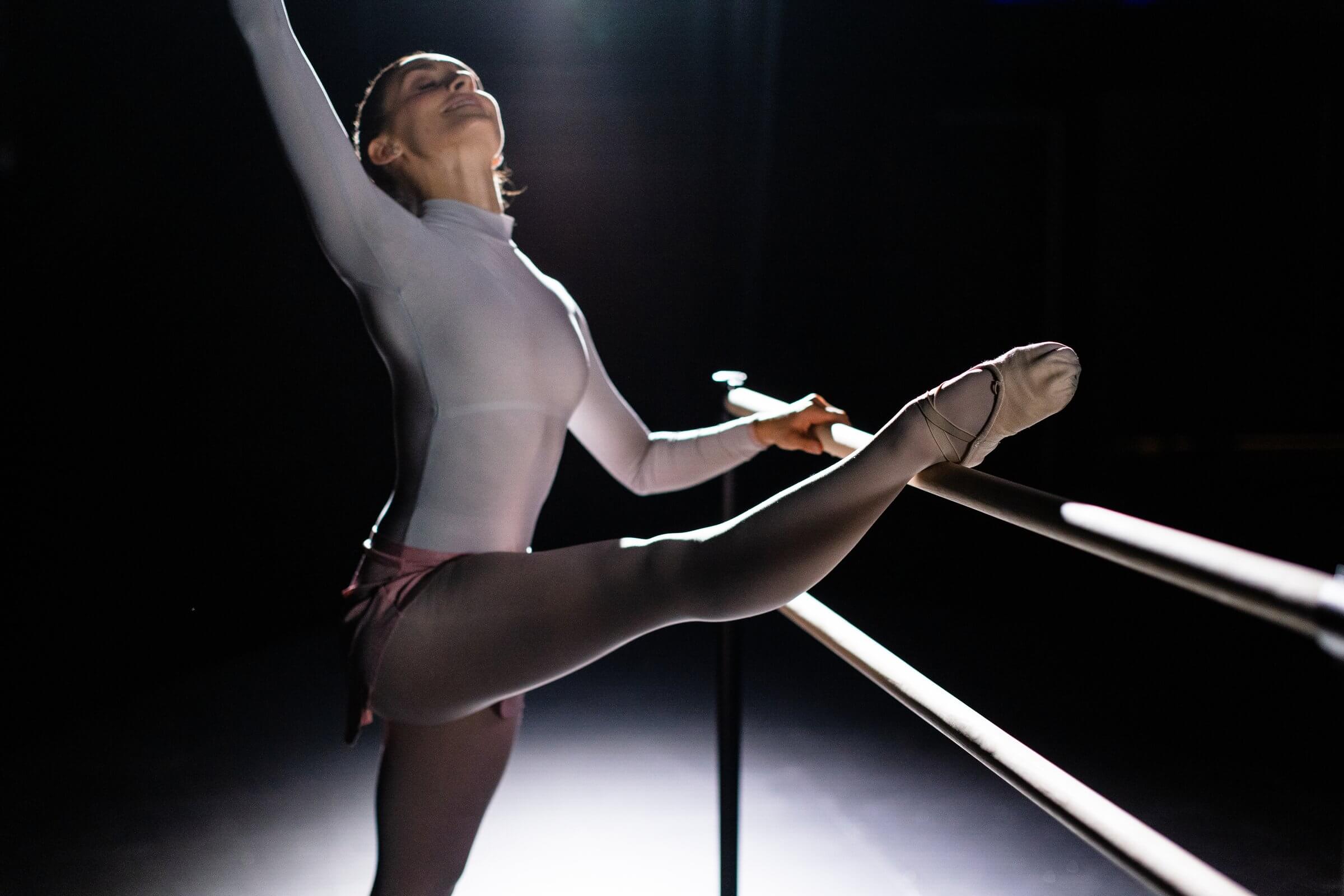
The Original
12/03/2025 11:00am
From the first plié at the children’s ballet barre to the controlled sweep of a full ballet cambré, ballet technique is built on precision, strength, and consistency. At every level—from early childhood programs to pre-professional training—the quality of a dancer’s equipment shapes how safely and effectively they can progress. Studio-quality barrés bring the discipline, stability, and artistry of the classroom into any space, giving dancers the structure they need to grow with confidence.
As more dancers train at home or supplement studio classes with personalized practice, the demand for high-level equipment for ballet has grown. A durable, thoughtfully engineered barre has become just as essential as a good pair of shoes. It’s no longer an accessory—it’s the foundation of serious training.
The barré is where dancers learn the fundamentals of turnout, balance, posture, and alignment. A high-quality free standing ballet barre, mounted ballet rail, or barre bar for home provides the reliable support needed for clean, safe technique. Dancers depend on this stability to develop strong habits early on, habits that influence every movement they perform for years to come.
Beginners rely on the barre to understand where their body is in space—how their hips align, whether their shoulders are square, and how to lift through the spine. More advanced dancers use the barre to practice challenging combinations, improve precision, and condition through strength-based movement such as controlled relevés or sustained extensions.
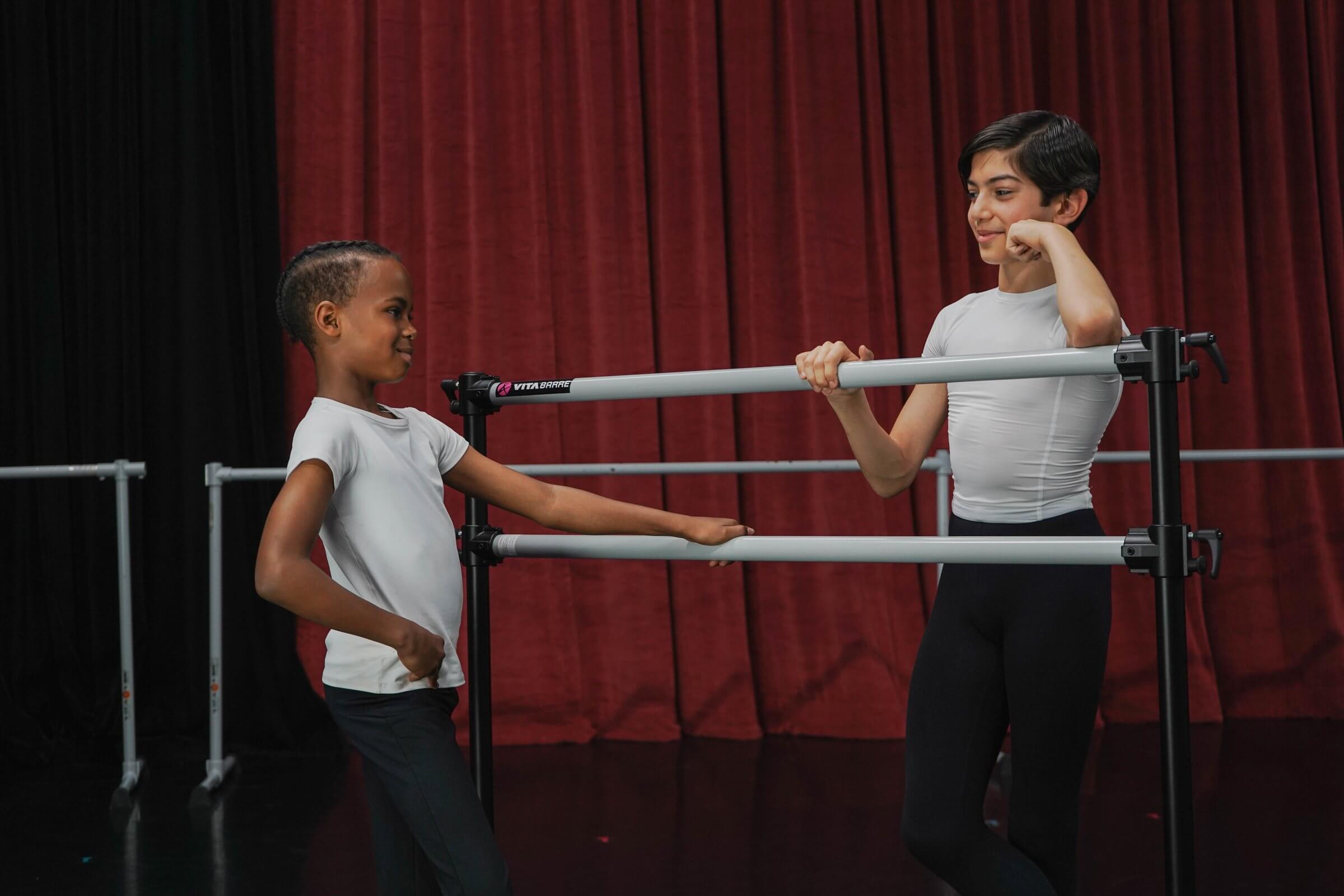
For younger dancers, a ballet barre for children or children’s ballet barre is particularly important. At the correct height and width for their age group, it helps them learn without straining. When children practice on equipment made for their size, their alignment improves, their confidence grows, and their progression accelerates naturally.
Not all ballet equipment is created equal. A studio-quality barré is engineered to withstand daily use, intense combinations, and weight transfers—supporting dancers with consistency whether they’re practicing pliés or preparing for a performance.
Professional-grade barrés provide:
Superior stability for balance and weight-bearing tasks
Strong structural integrity, preventing wobbling or shifting
Smooth surfaces ideal for classical training and safe hand placement
Consistent height options, including adjustable or slide-track systems
Durable materials like high-grade aluminum or premium hardwood
Longevity, even with daily use from multiple dancers
These features help dancers feel grounded in their technique. A solid barré never distracts from the movement—it enhances it.
VitaBarre’s design philosophy centers on this principle: to create equipment for ballet that prioritizes both form and function, ensuring every dancer—beginner to advanced—can train with the confidence of a professional studio environment.
Ballet students return to the barré every class because it reinforces the building blocks of technique. With consistent use, a studio-quality barré enhances a dancer’s development across several key areas:
The barré helps dancers lift through their spine, maintain square shoulders, and hold proper posture. This alignment becomes muscle memory, influencing how dancers move through center work, across the floor, and onstage.
Turnout is one of the most misunderstood elements of ballet. A stable barré allows dancers to activate turnout from the hips—not the knees or ankles—reducing injury risk and improving technique.
Dancers rely on the barré to practice relevés, balances, and slow transitions. Over time, this support develops strength that translates directly into center work.
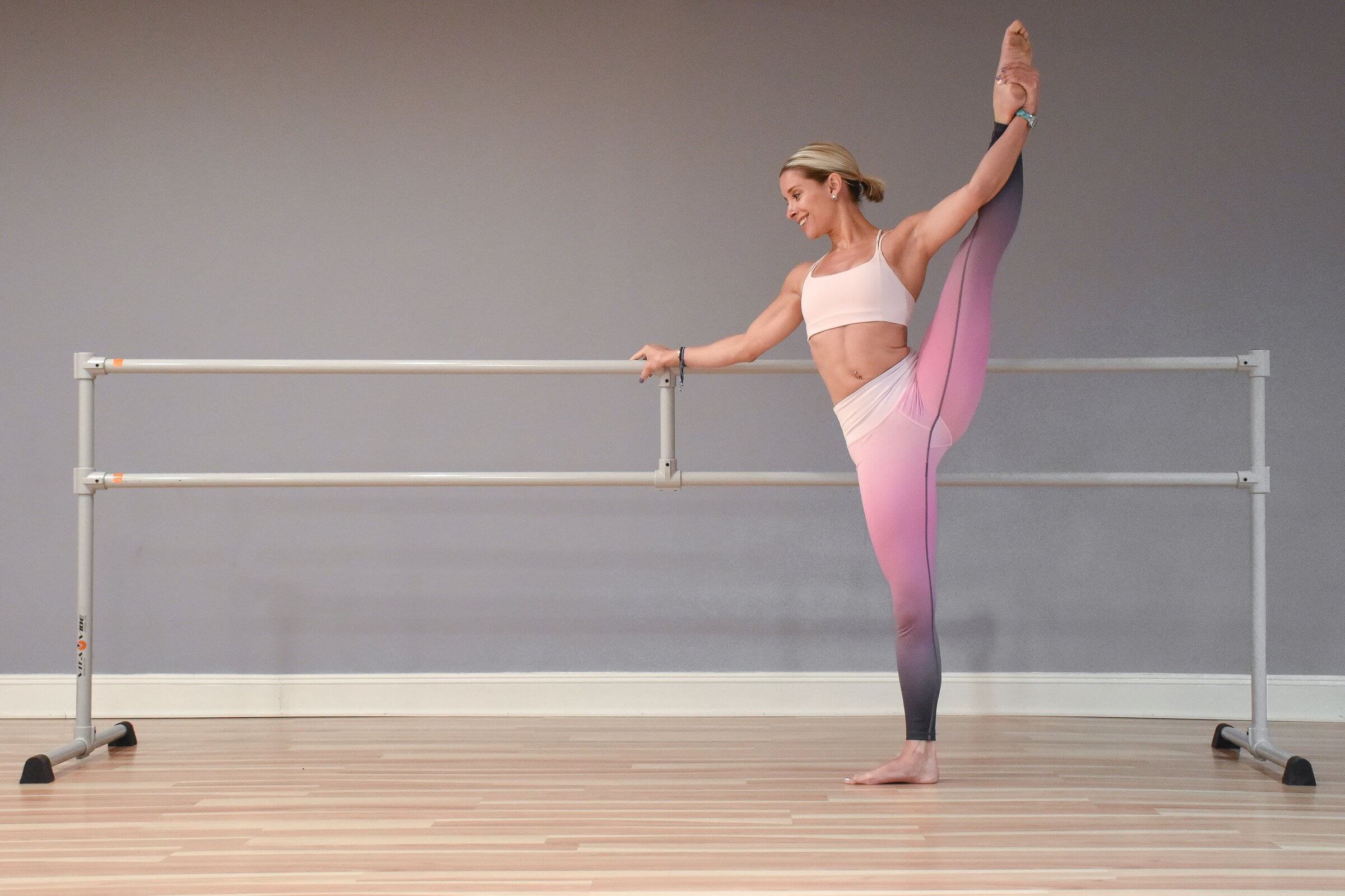
Movements like the ballet cambré require support so dancers can safely explore range of motion. A trustworthy barré enables both flexibility and control.
Whether performing slow, controlled fondus or powering through battements, dancers need a solid foundation. High-quality barrés ensure they can push themselves without instability.
Ballet training today extends far beyond the traditional class structure. Dancers cross-train with a combination of floor barre workouts, resistance exercises, and barre fitness-inspired conditioning to support strength and injury prevention.
A reliable ballet setup enhances:
Floor barre workouts that refine placement and teach dancers to isolate muscles
Barre fitness routines that support core strength, balance, and endurance
At-home practice sessions for flexibility, warm-ups, and technique drills
With studio-quality equipment like a free standing ballet barre, dancers can transition seamlessly between classical and modern strengthening techniques, creating a well-rounded training environment.
The earliest years of ballet training are the most formative. A properly sized children’s ballet barre supports correct posture and helps young dancers internalize proper alignment. As children grow, consistency becomes especially important—the more they practice, the more refined their muscle memory becomes.
Parents often choose a barre bar for home to allow young dancers to reinforce classwork, build flexibility, and practice choreography. Having equipment for ballet at home also encourages discipline, routine, and a sense of ownership over their training.
A dedicated ballet environment can transform a dancer’s motivation and performance. Whether at home or in a studio, the right equipment sets the tone for focused, intentional practice.
Dancers today choose from several high-quality options:
Free standing ballet barre for home training, dorms, or small studios
Mounted ballet rail systems for professional, spacious environments
Adjustable barrés with slide tracks for multi-age or multi-level classes
Specialized ballet barre for children designs for early learners
These setups allow dancers to create the kind of space that fuels creativity, discipline, and technical refinement.
As ballet evolves, so does the need for durable, reliable, thoughtfully engineered equipment. Studio-quality barrés offer dancers the stability, alignment, and confidence they need to refine technique and reduce injury risk.
Whether a dancer practices twice a week or trains daily for competition or performance, the right equipment creates a safer and more effective training environment.
With VitaBarre’s range of premium barrés—designed for durability, precision, and artistry—dancers of all ages can elevate their technique, strengthen their bodies, and train with the support of a professional studio anywhere they go.
For dancers, consistency is everything—each repetition, each correction, and each moment of focus compounds over time. With dependable, studio-quality barrés, dancers can strengthen their technique with confidence and intention. The right equipment doesn’t just support movement; it supports growth, artistry, and the long-term development of every dancer’s unique potential.