The Original
06/10/2025 5:00pm
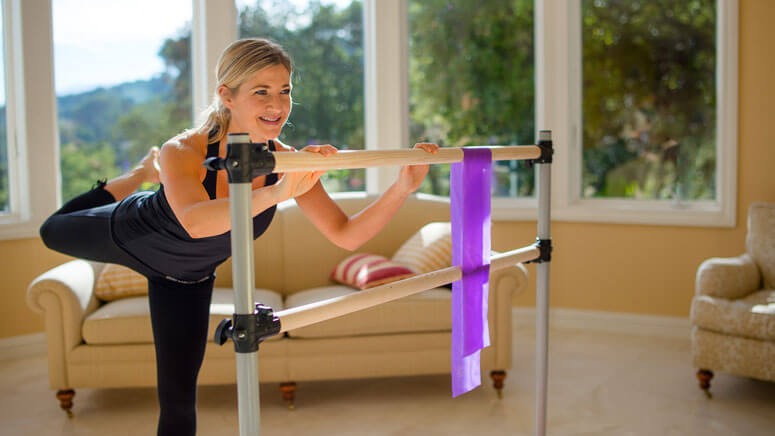
Barre fitness has taken over the fitness world due to its graceful moves, lower-impact approach, and intense results. What makes this ballet-inspired workout so effective for many?
Barre's popularity continues to rise not only because of its aesthetic appeal, but because it delivers tangible fitness benefits across all experience levels. Whether you're a beginner or a seasoned athlete, barre offers a full-body challenge that combines elements of dance and exercise psychology. The answer lies here: in its unique method of muscle activation.
In this post, we will explore the psychological science behind barre workouts, how they engage specific muscle groups, and why they are a powerful option for building strength, improving posture, and increasing flexibility.
Barre exercises combine small, isometric movements with high reps and light resistance. While some may make it look elegant and effortless, this workout delivers a surprisingly intense burn, described as "working muscles many did not know they had". This is especially beneficial for those recovering from injury or seeking a gentler alternative to high-impact training. Its adaptability makes it inclusive, providing modifications and progressions that cater to different ages, body types, and physical conditions, all while emphasizing form and control over speed or load.
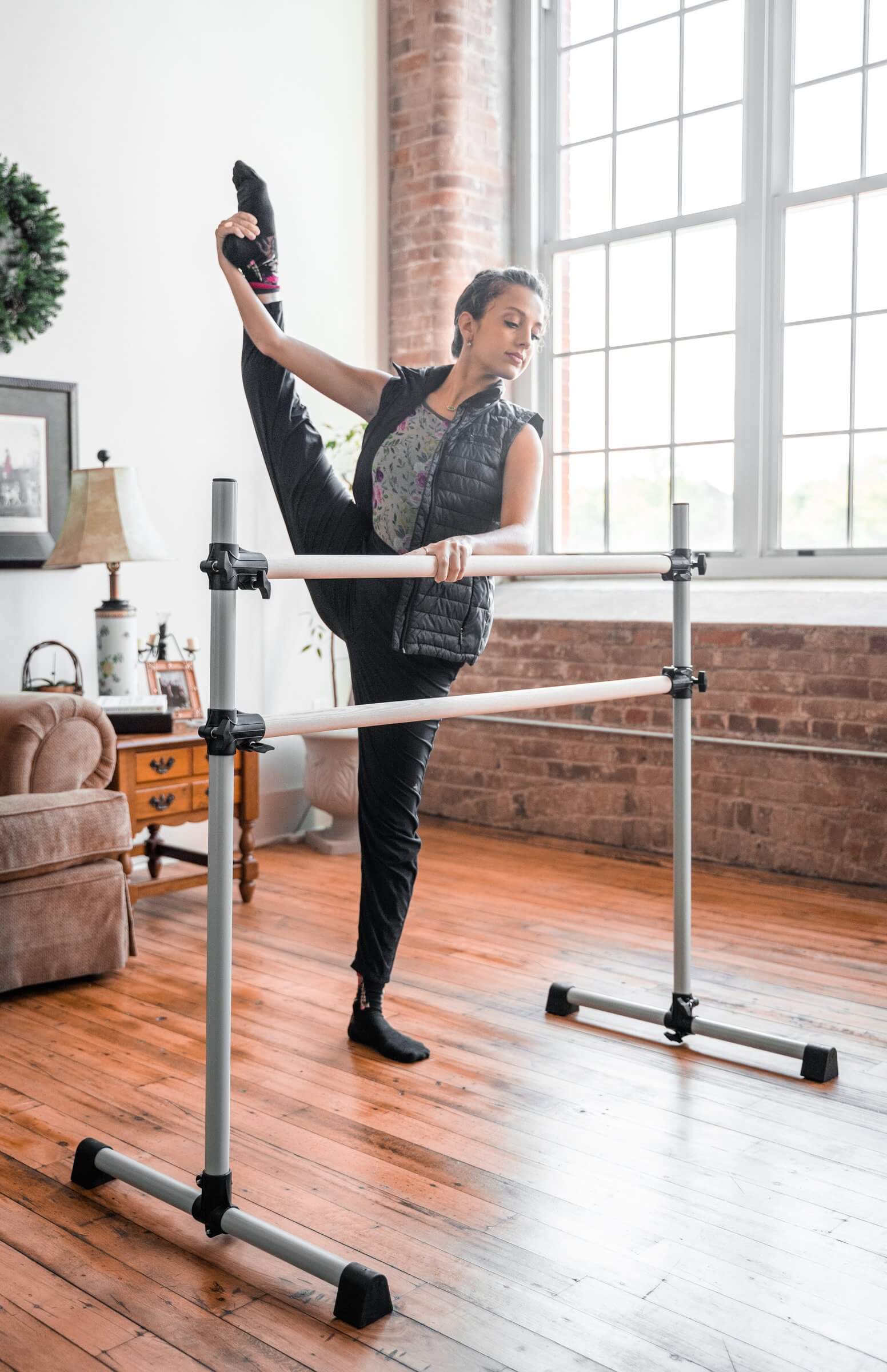
Whether you're using just your bodyweight or incorporating extra barre workout equipment like light dumbbells, resistance bands, or a VITA Barre fitness barre, every move is designed to fatigue the muscles through exact and repetitive motion.
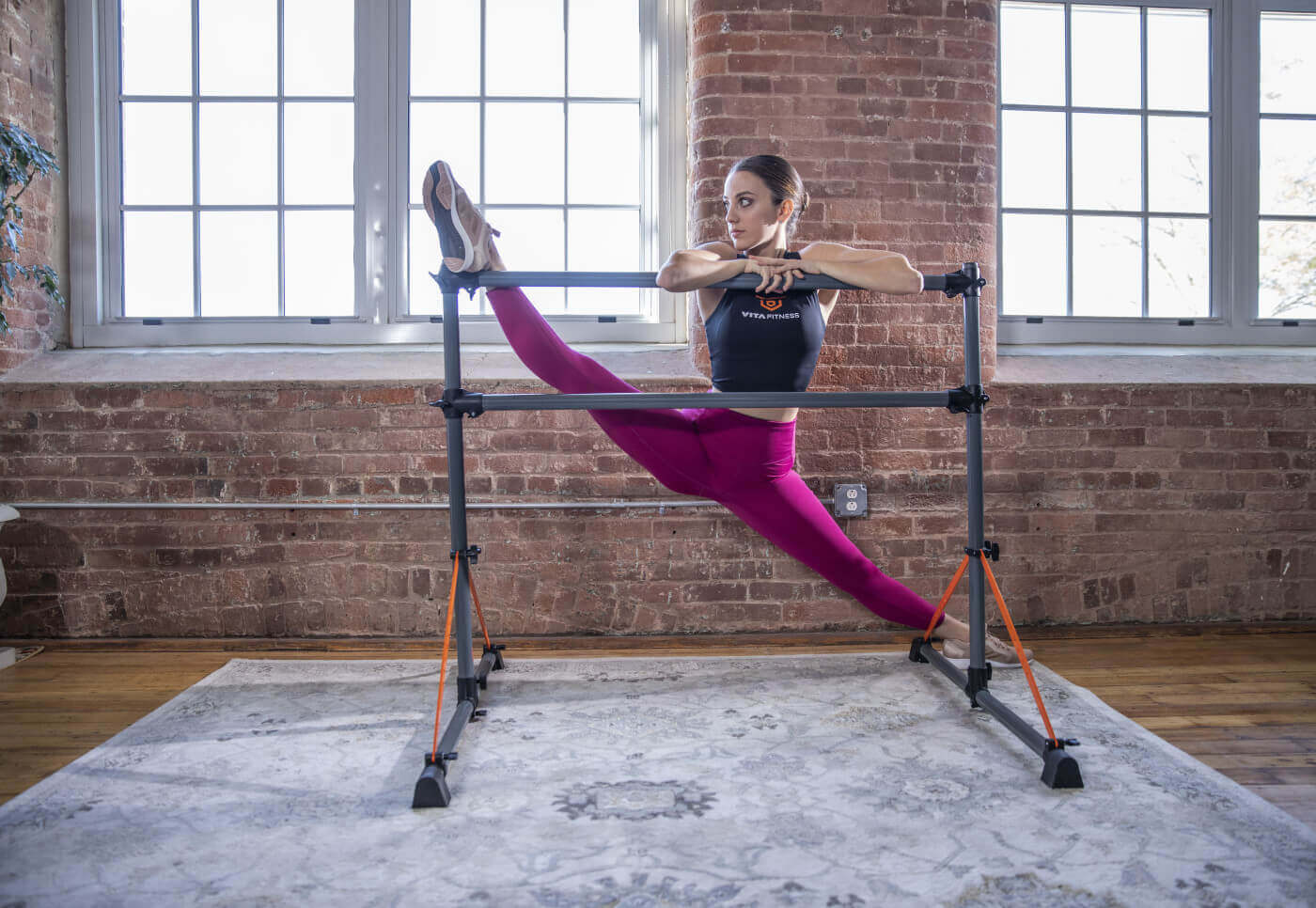
Unlike your traditional strength trainings, which often focus on larger muscle groups, barre exercises engage both major and minor muscles. This method also promotes neuromuscular efficiency, causing your brain to become more attuned to activating muscles quickly and accurately. Over time, this enhances overall coordination, which in turn leads to improved movement patterns in everyday activities and other exercises. Furthermore, the precision of barre helps reduce compensatory movement patterns, which can lead to improved long-term joint health and fewer injuries. This is achieved through multiple steps:
These are considered small, controlled movements where the muscle length remains constant, as it is contracted. Think of a feeling of holding a squat or pulsing in a lunge. The tension targets muscle endurance and helps improve stabilization.
In a typical ballet barre workout, you perform many reps of a single movement. This produces a slow-twitch in muscle fibers, which are essential for posture, stamina, and joint support.
Instead of heavy lifting, barre fitness emphasizes micro-movements. These minimal motions are extremely effective when isolating muscles like the glutes, thighs, and core.
Barre workouts often cycle through movements without a resting period. This method brings muscles to fatigue quickly, which helps trigger strength gains and improves neuromuscular control.
Barre exercises are uniquely effective in targeting several key muscle groups through their precise and repetitive movements. It works the glutes and hips with exercises like leg lifts and pulses, which help engage the gluteus medius and minimus, two muscles that are often overlooked when traditionally working out.
The core is activated through the planks, tucks, and balance work, strengthening the deep abdominal muscles that support posture and stability. Thighs, specifically the quadriceps and inner thighs, are deeply challenged with pliés and pulses that create a powerful burn. Lastly, the arms are sculpted using light weights or bodyweight exercises, with high repetitions that tone without adding bulk, which helps contribute to long, lean muscle definition.
Barre also works the back and shoulders through isometric holds and posture-based movements, which are vital for balance and upper-body alignment. These exercises train the muscles that support the spine, enhancing posture and reducing the risk of back pain that can result from prolonged sitting or poor alignment.
Studies of barre fitness show that isometric training, one of the foundations of barre fitness, is a highly effective training for increasing muscular endurance, improving stabilization, and supporting joint health.
When you combine this with mindfulness, breath control, and body awareness, the result is a workout that benefits body and mind. This mind-body connection often leads to improved consistency, as participants report feeling more mentally engaged and less prone to burnout compared to traditional high-intensity regimens.
To elevate your barre workout, consider adding tools like:
These tools help deepen the engagement and ensure proper form throughout your ballet barre workout. They also introduce variety into your workouts, keeping sessions fresh and challenging. Regularly rotating equipment can help prevent plateaus and encourage continual progress.
Barre fitness is more than just a trendy class. It’s a science-backed workout method that uses small, controlled movements to achieve better results. With the understanding of these targeted barre exercises and how they activate muscles, you can better appreciate the intensity behind the elegance.
That unmistakable quiver in your legs or arms during a session of barre is not a sign of weakness; it is a physiological signal that your muscles are being challenged to their fullest potential. The "shake" occurs when your muscle fibers, especially the small stabilizing ones, are recruited to maintain control under fatigue. This movement is where change happens: endurance builds, strength develops, and mind-muscle connection deepens.
Instead of pulling back, lean into that disco. comfort. It is evidence that you are pushing your body towards improving performance and stability, aligning with scientific principles behind muscle fatigue and adaptation. It also reflects the precision of barre, which encourages full muscle engagement in a safe, low-impact way. With consistent practice, that shake becomes a badge of process and proof that your body is learning, strengthening, and evolving.
So next time you are at the barre, embrace the shake. It is a sign your muscles are working exactly the way science has intended.