The Original
05/20/2025 3:00pm
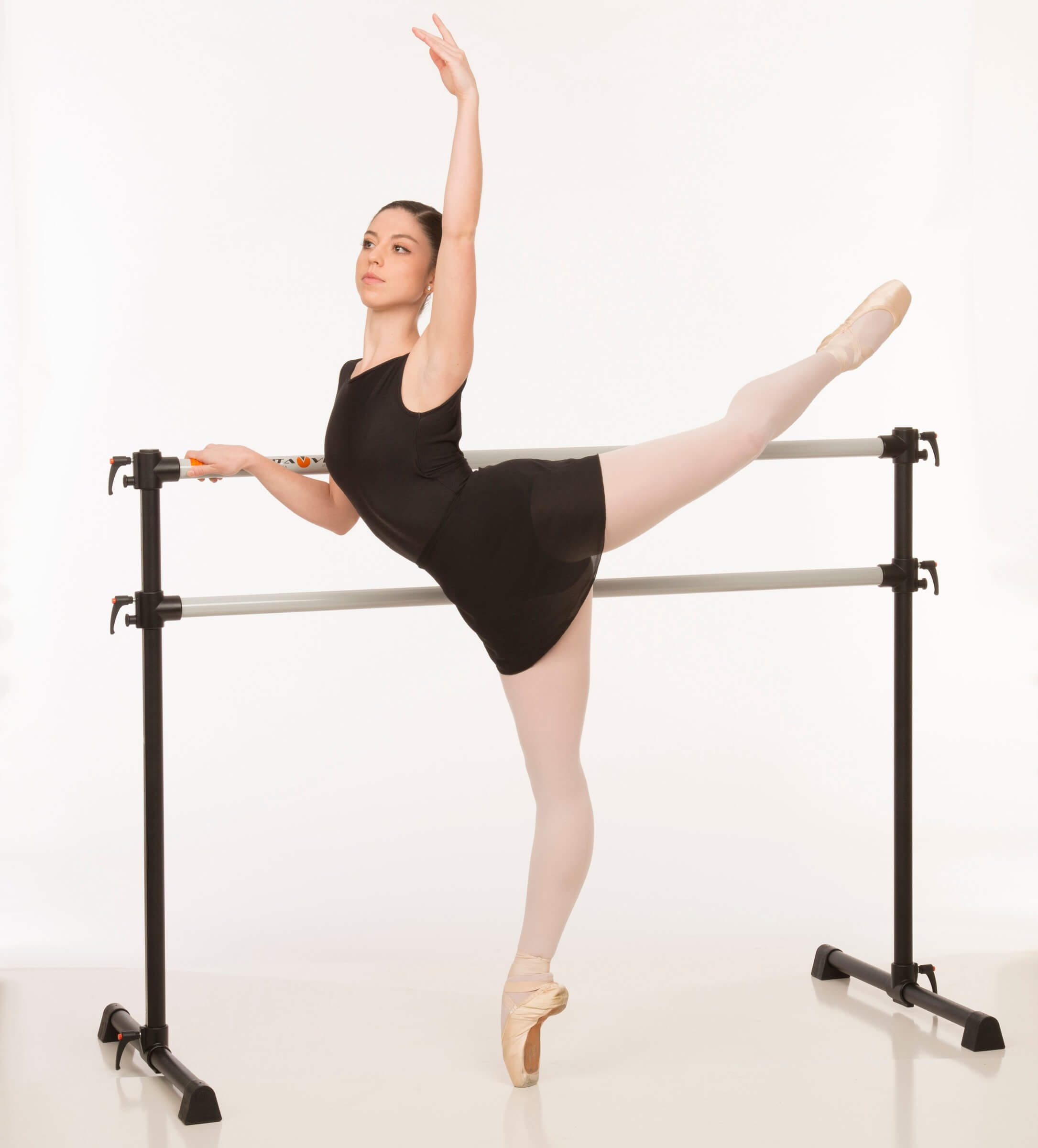
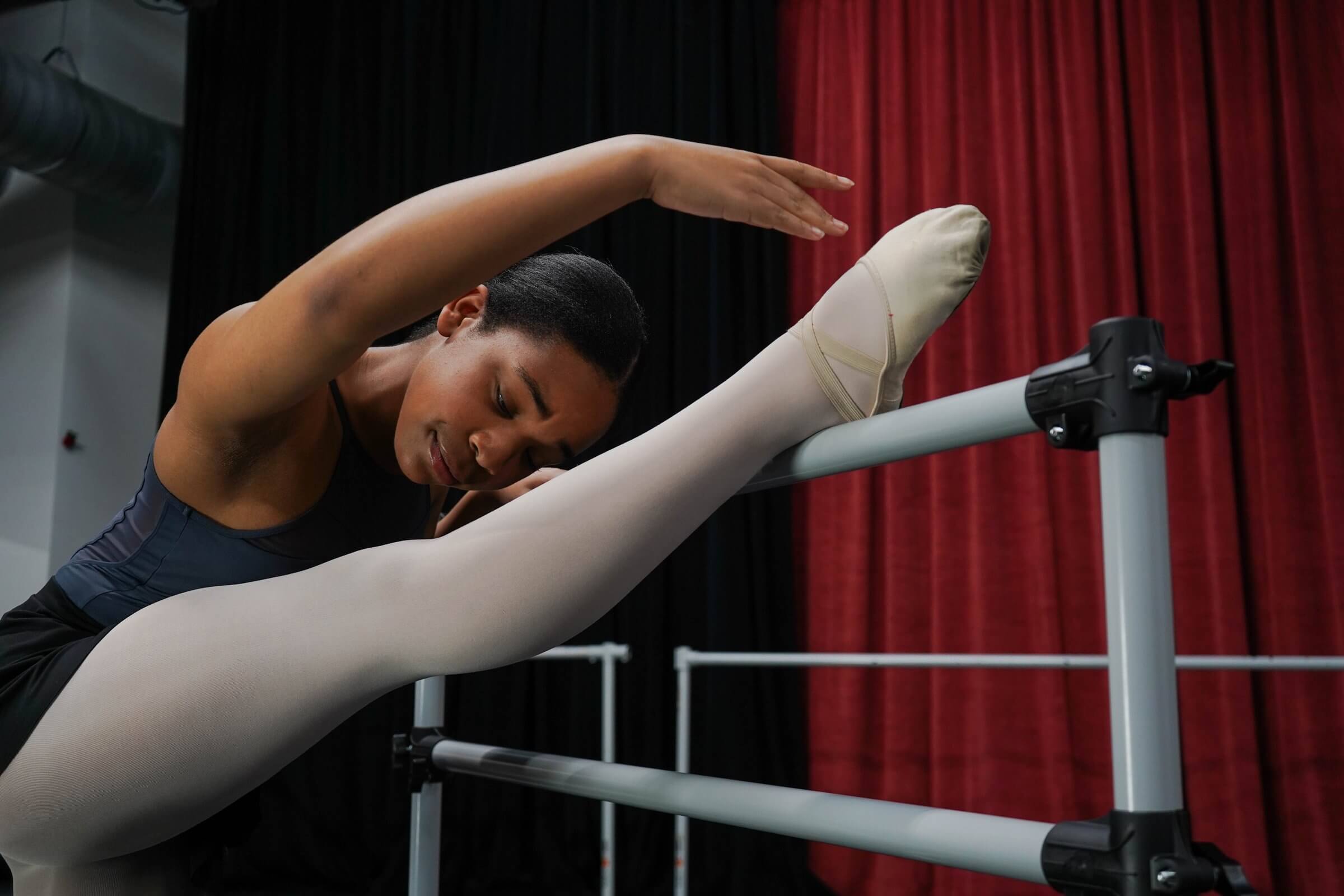
In the quiet of a dance studio, long before the first leap or spin, dancers begin their practice beside an unassuming structure: the ballet rail. It might look like a simple piece of equipment, but for many dancers, it's so much more. It's the silent partner at the start of every class, the one constant through every stage of development. While it provides physical support, it also offers deeper lessons—ones that resonate far beyond the studio.
The ballet rail doesn’t move, speak, or command attention. But its presence teaches. It reminds dancers to slow down, to breathe, to find their center. As dancers train their bodies, the rail trains their discipline, balance, and awareness. And in a world that rarely slows down, those lessons are more relevant than ever.
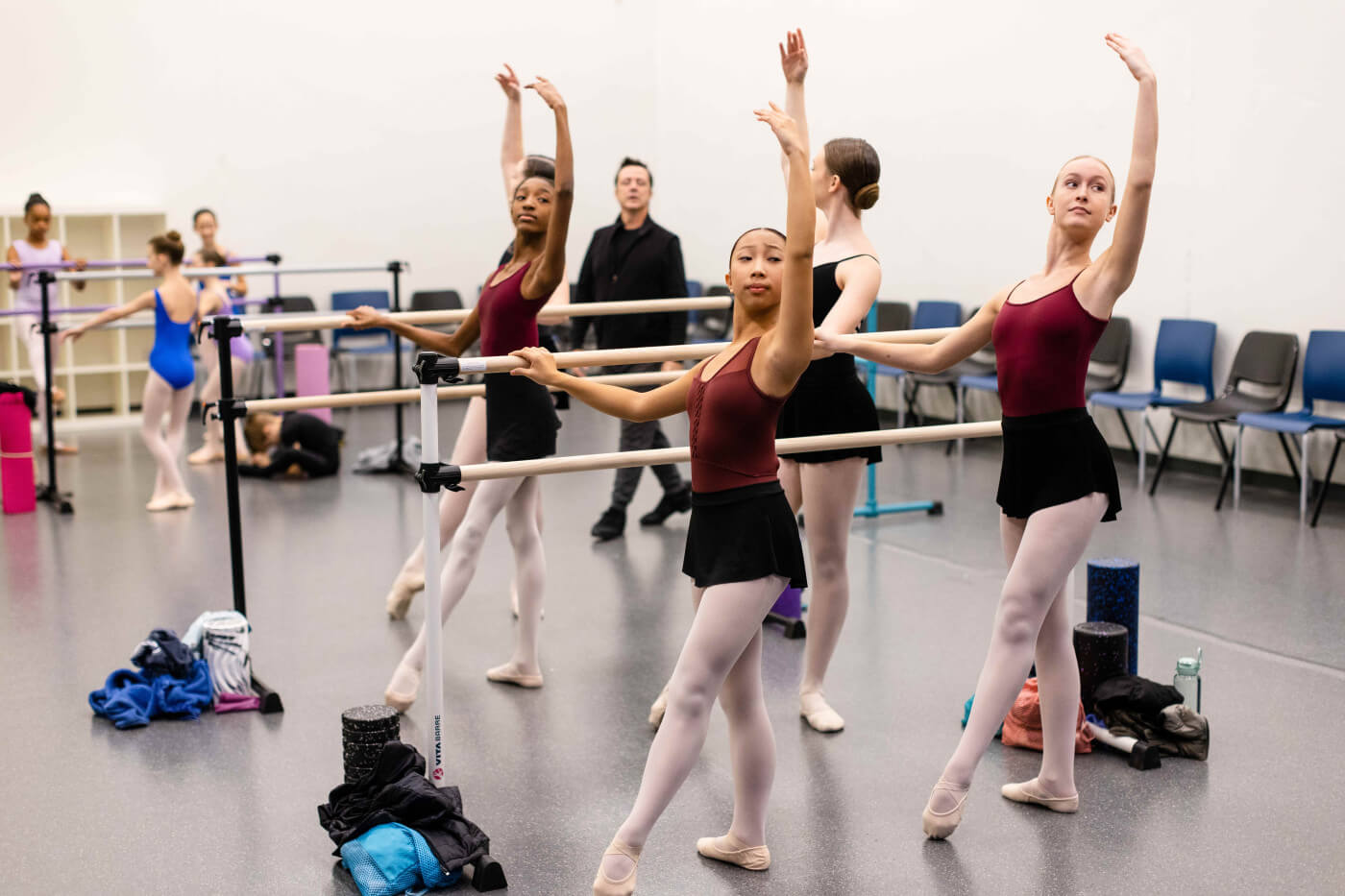
Modern life is loud, fast, and constantly in motion. Stillness often feels unproductive, even uncomfortable. But every ballet class begins in that stillness. Before grand movements or soaring jumps, dancers stand tall, grounded, and focused beside the rail. Their hands rest lightly; their breath deepens. Movement starts not with action but with control.
This moment of quiet isn’t a break from the work—it is the work. Stillness teaches awareness. It challenges dancers to feel the subtleties in their alignment, the gentle tension in their muscles, the quiet coordination of breath and motion. Through that stillness, dancers begin to build the focus and strength that their art demands.
These same principles apply outside the studio. Whether preparing for a presentation, taking on a creative project, or simply moving through daily life, the ability to pause and recenter is powerful. In this way, the ballet rail becomes a symbol for the stillness we often forget to seek.
The ballet rail doesn’t do the work for you. It’s not designed to carry weight or take over movement. Instead, it offers just enough support to help dancers stay balanced as they build strength. Its presence is steady but passive. The dancer leads.
This balance between assistance and autonomy is where real learning happens. The rail offers stability, but never interferes. In doing so, it allows the dancer to develop confidence and control. Mistakes are made, corrections follow, and progress unfolds—slowly, steadily, authentically.
That same philosophy applies to mentorship, tools, and relationships. The best support systems provide space to grow. They offer grounding when needed but step aside so individuals can do the work themselves. The ballet rail models this perfectly.
Each ballet class begins the same way. Exercises at the barre are not a warm-up—they are foundational. Pliés, tendus, dégagés: these movements might seem basic, but they are rich with purpose. They prepare the body, sharpen the mind, and reinforce essential techniques. The repetition is not monotonous. It’s meditative.
With every class, the body remembers more. Muscles grow stronger. Posture improves. Focus deepens. This ritual teaches dancers the value of consistency. It shows that mastery is not built in bursts of inspiration, but in steady, repeated effort.
In our fast-paced world, this lesson is easy to overlook. We want instant results and quick fixes. But the discipline learned at the barre reminds us that excellence is built over time—with patience, practice, and perseverance. Even outside of dance, this approach to learning can shape how we approach goals, routines, and challenges.
The ballet rail is present from a dancer’s first class to their final rehearsal. It witnesses the entire journey—from clumsy beginnings to polished performances. As dancers grow, the rail doesn’t change. Its constancy becomes a comfort.
Children learning their first positions may rely on it for balance. Pre-professional students use it to refine form. Even seasoned professionals return to it to reconnect with fundamentals. It is a companion across time and technique.
There’s something profoundly grounding about this. In a world full of change—new teachers, choreography, studios—the rail remains. Its familiarity provides a sense of place, of purpose. For many dancers, a specific spot along the rail becomes their place: the starting line for each new challenge.
Though designed for dance, the lessons the rail teaches extend far beyond technique. Dancers who train at the barre carry its values into all parts of life. The discipline of daily practice. The resilience developed through repetition. The focus demanded by slow, intentional work. These aren’t just dance skills—they’re life skills.
Leaning on something without relying on it fully, for instance, mirrors how we navigate support in friendships and work. Learning to stay balanced when things feel uncertain? That’s a tool for coping with stress, not just pliés.
And perhaps most importantly, the ability to find stillness, center yourself, and begin again—that’s something everyone can benefit from. The rail trains dancers to start with calm intention. That same mindset can shape how we approach everything from emails to interviews.
It never speaks, never moves, and never changes. Yet the ballet rail is one of the most influential teachers in a dancer’s life. Through its presence alone, it shapes strength, technique, and mindset.
It teaches trust—not in the equipment, but in oneself. It guides alignment, fosters independence, and supports without overshadowing. Its very nature encourages reflection and self-awareness. Over time, dancers develop an internal compass, sharpened through daily interactions with this silent guide.
There is no shortcut to that kind of growth. No app, no hack, no workaround. It’s earned, slowly and quietly, beside the rail.
The ballet rail is far more than a tool for stretching or balance. It’s a source of wisdom and a symbol of discipline. In its stillness, it teaches focus. In its support, it fosters strength. And in its consistency, it reflects the process of growth.
Dancers return to it again and again—not because they must, but because they understand what it offers: a grounded beginning, a reliable presence, and a chance to begin with intention.
At VITA Barre, we understand the deep relationship dancers have with this quiet companion. That’s why we build our ballet rails with care, precision, and purpose. They’re not just functional—they’re foundational.
Ready to meet your steadyest teacher?
Explore VITA Barre’s handcrafted collection today.