The Original
08/15/2025 5:00pm
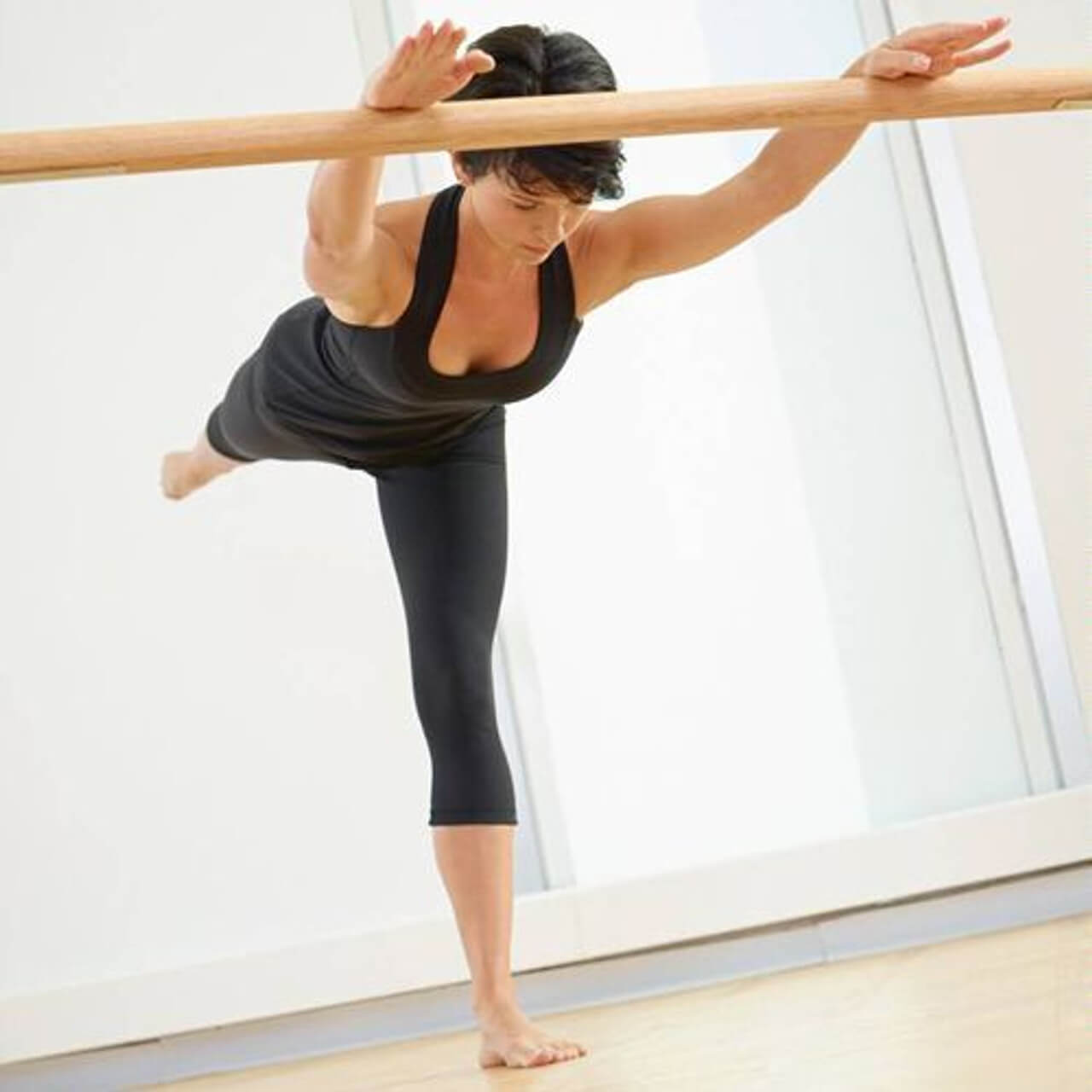
In classical ballet dance, beauty and grace are built on a foundation of discipline, precision, and technique. But beneath the artistry lies a physical intensity that can take a toll on the body, especially when correct posture and movement patterns are overlooked. For dancers of all levels, understanding how to move safely is essential to longevity and success. Whether training in a studio or at home with a portable barre, proper form is your best defense against injury. Even short, consistent sessions with correct technique can significantly reduce wear and tear on the body over time.
As a leading manufacturer of portable barres, we understand the critical role the right equipment and technique play in both performance and injury prevention. This article examines how proper posture and movement help protect dancers and why the best portable barre for home can be a valuable training partner, supporting both physical development and mental well-being. A dependable barre doesn’t just enhance daily practice; it becomes part of a dancer’s lifelong training journey.
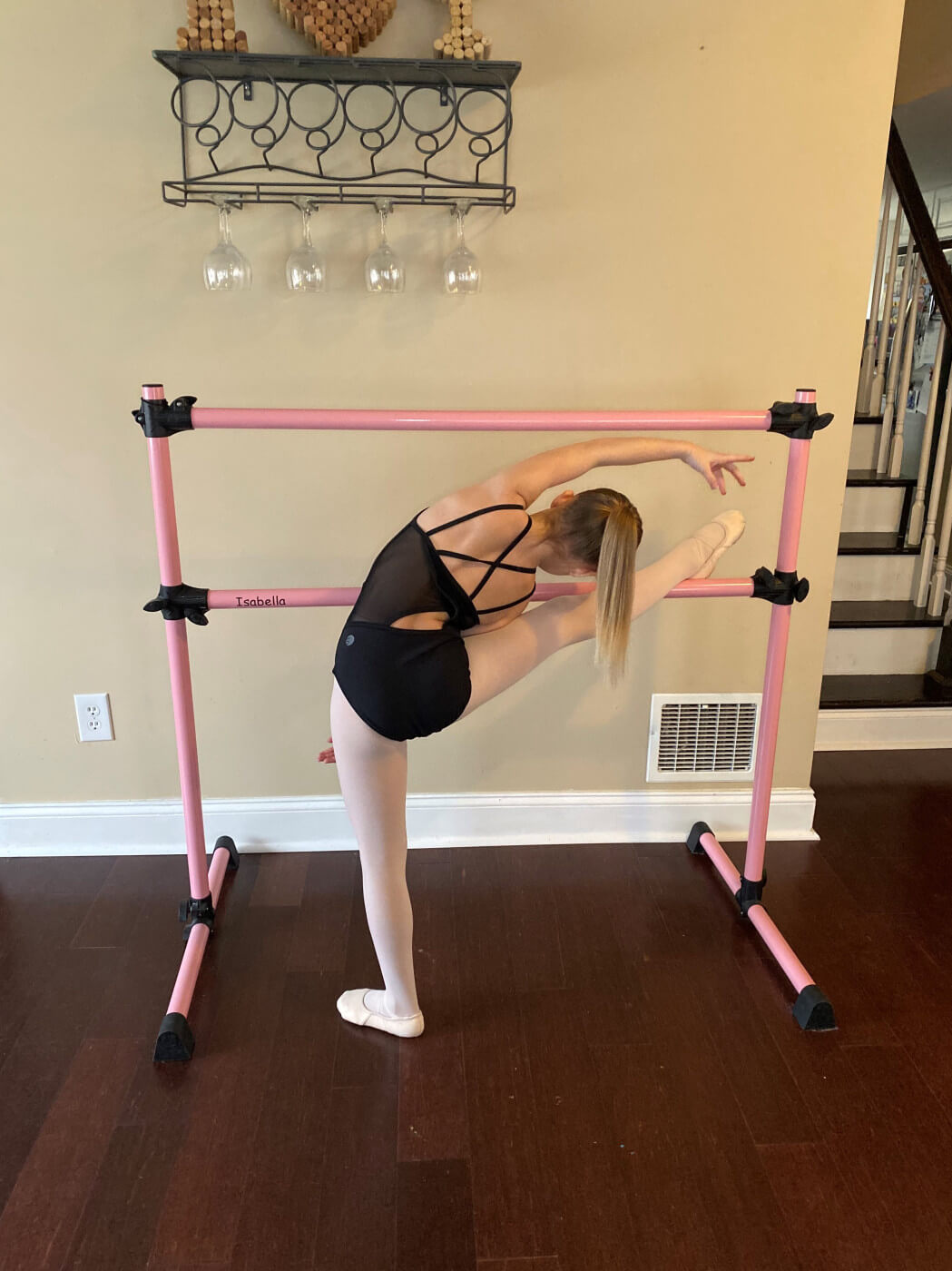
Ballet is a physically demanding art form that requires repeated movements of the hips, knees, ankles, and spine. Without proper technique, these movements can lead to overuse injuries such as tendinitis, shin splints, or hip impingement. Over time, poor form can quietly undermine a dancer's progress, making even basic movements more difficult or painful.
Poor alignment, whether in turnout, plié, or relevé, puts unnatural stress on joints and muscles. Even a slight deviation from correct posture can cause chronic issues that limit a dancer's ability to perform. That's why teachers and professionals emphasise mastering the basics, from maintaining a neutral spine to engaging the core during every movement. These foundational skills not only improve performance, they serve as the body’s built-in protection system.
Some of the most common ballet injuries include:
Most of these injuries stem from improper alignment or repetitive strain. For instance, forcing turnout from the knees or feet (rather than the hips) can strain ligaments and lead to knee pain. Likewise, overtraining without adequate strength or rest can result in shin splints or stress fractures.
Prevention starts with awareness and the right training environment. That’s where tools like a barre for home can make a difference, allowing dancers to safely build strength and technique in a controlled setting.
Correct posture isn't just about looking poised; it is a key component of injury prevention. A dancer with aligned posture will move more efficiently and absorb impact more evenly. This protects joints and minimizes muscle strain. Here is what proper ballet posture includes:
By practicing with proper posture during every barre exercise, dancers build muscle memory that carries into center work, jumps, and choreography.
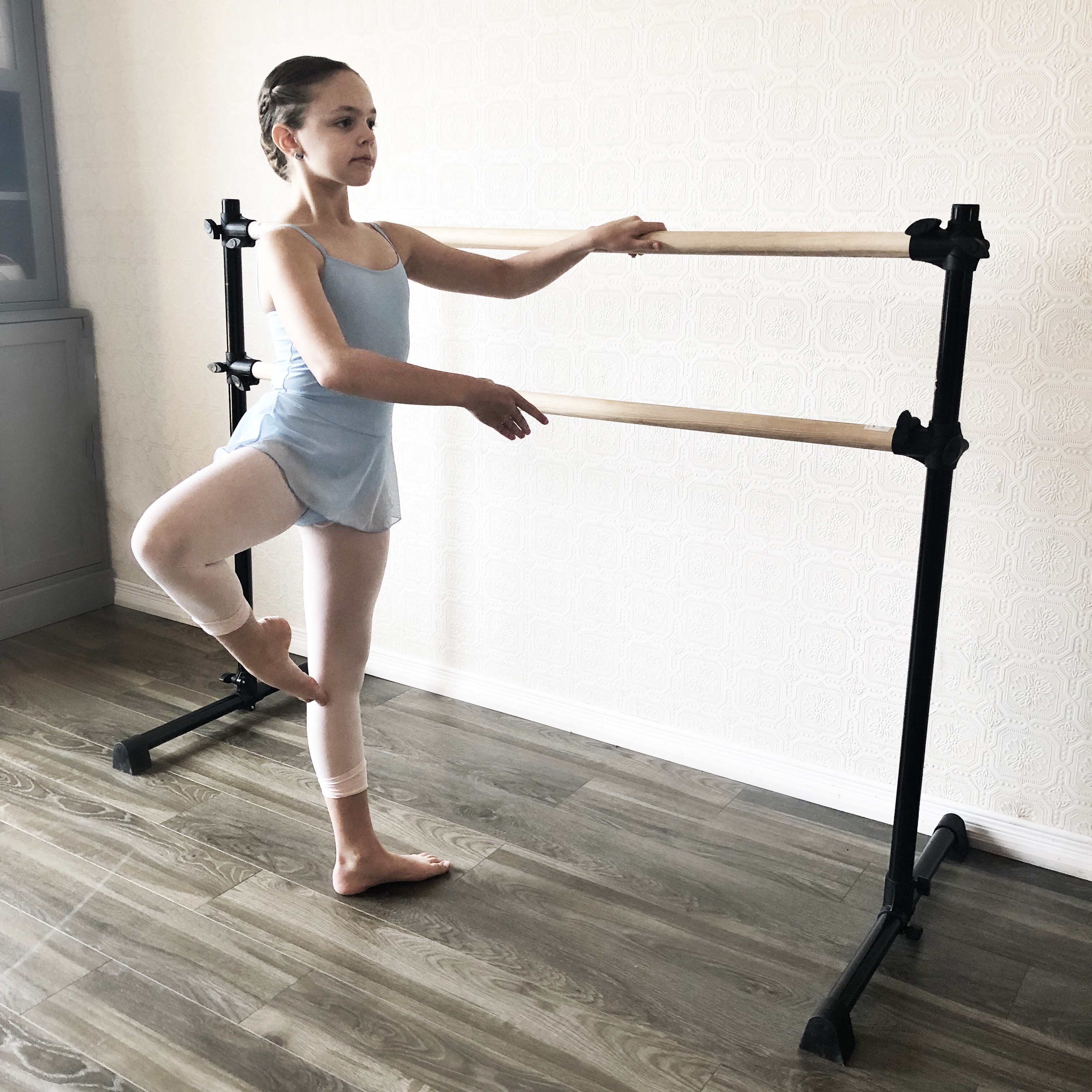
At-home training has become more popular than ever, especially for recreational dancers and pre-professionals who want extra practice outside the studio. But not all home setups are equal. Stretching on kitchen counters or unstable furniture can compromise form and create dangerous habits.
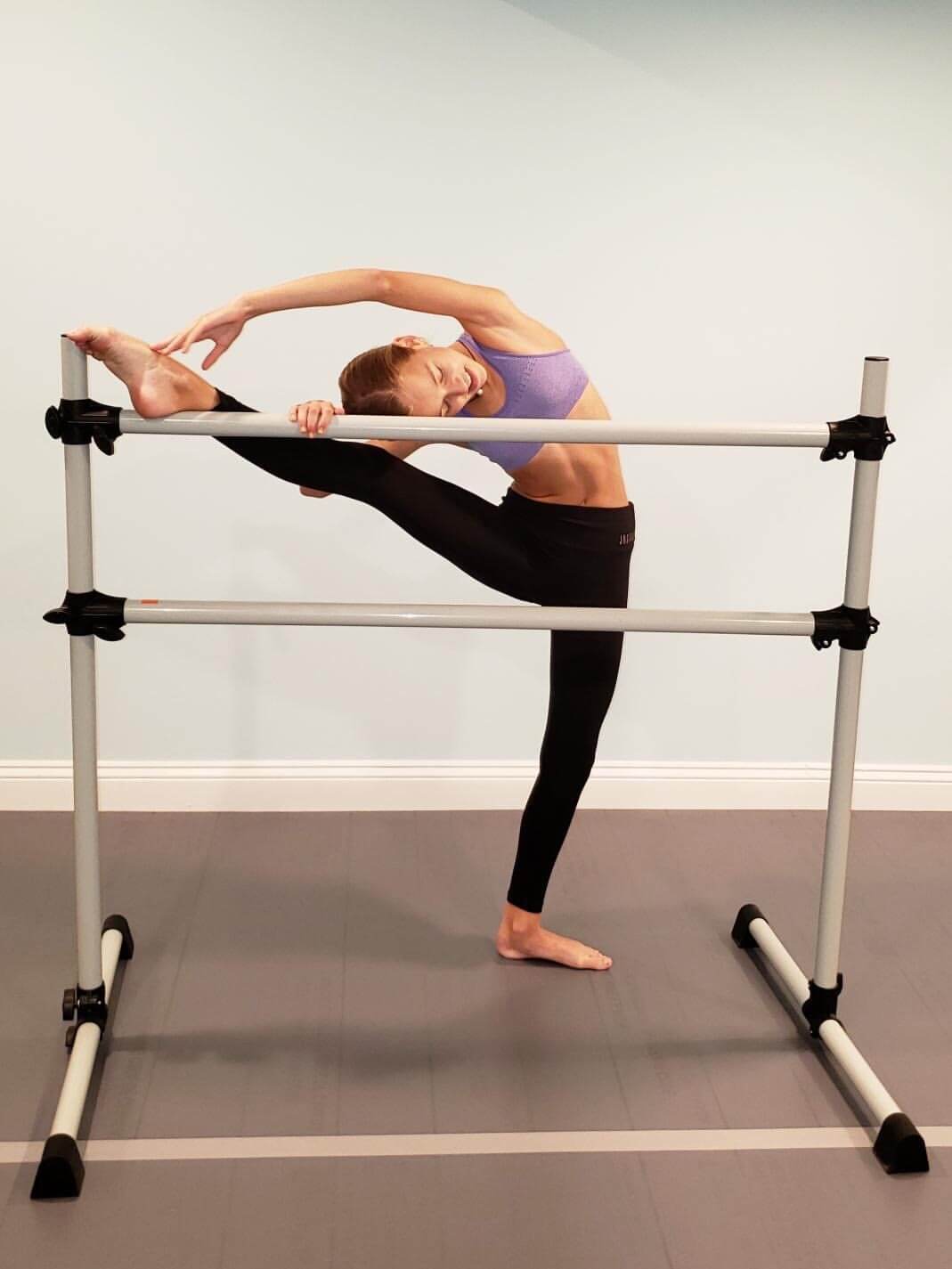
That is why portable ballet barres from VITA Barre are an essential tool for serious at-home dancers. A portable barre provides a stable, adjustable surface that mimics the studio experience. It allows dancers to focus on proper placement and balance without improvising with unsafe substitutes.
Whether you're warming up, stretching, or practicing pliés and tendus, the best portable ballet barre for home ensures your training is structured and supportive.
Not all portable barres are created equal. When selecting the right barre, consider:
As a dedicated ballet barre manufacturer, we design our products with dancers in mind. Our barres combine professional-level performance with home-friendly convenience, making them ideal for beginners, advanced students, and even instructors working remotely.
Ballet demands a unique blend of artistry and athleticism, and with that comes the risk of injury when movement is not performed with care. However, with the right technique, posture, and training tools, dancers can safeguard their bodies while continuing to develop their skills and confidence.
Whether you're working in a studio or using a portable ballet barre at home, remember: Good form isn’t optional—it’s foundational. A small investment in proper equipment and mindful practice goes a long way in building a sustainable and injury-free dance journey.