The Original
06/17/2025 5:00pm
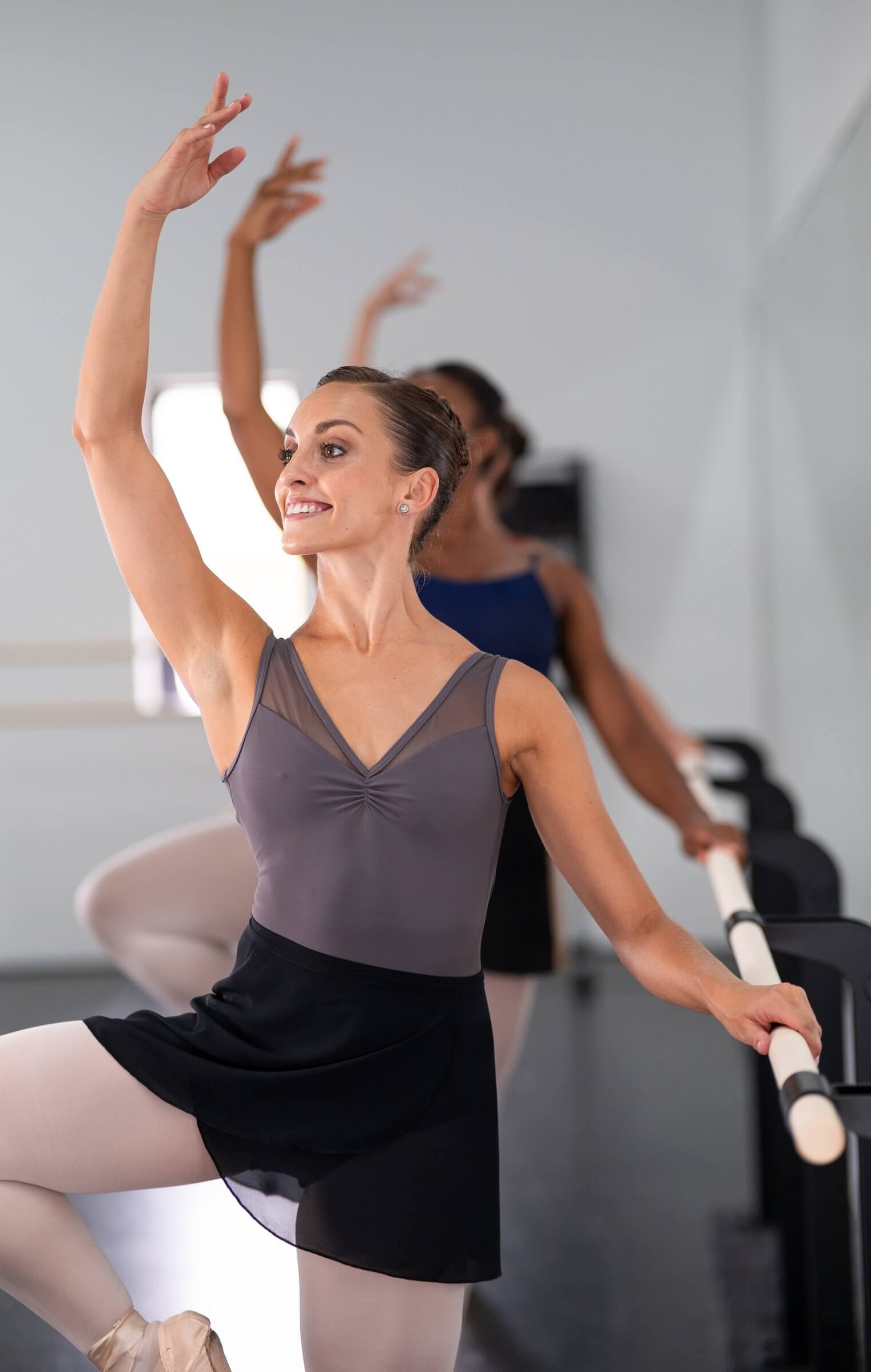
In the world of ballet, every leap, extension, and pirouette is grounded in a simple yet powerful ritual: barre practice. Whether you are a budding student or a seasoned professional, your time at the barre sets the tone for everything that follows. It is when technique is refined, muscles are conditioned, and trust in your own movement is built day by day.
Many dancers underestimate the impact of consistency. Practicing at the barre is not just a warm-up; it is the foundation of ballet training. With the right ballet equipment and commitment, your progress can be faster, deeper, and more lasting.
Barre work also develops spatial awareness and mental clarity, allowing dancers to reset and realign their focus. In a world full of distractions, the structure of barre can feel like a grounding ritual, a return to center both physically and mentally.
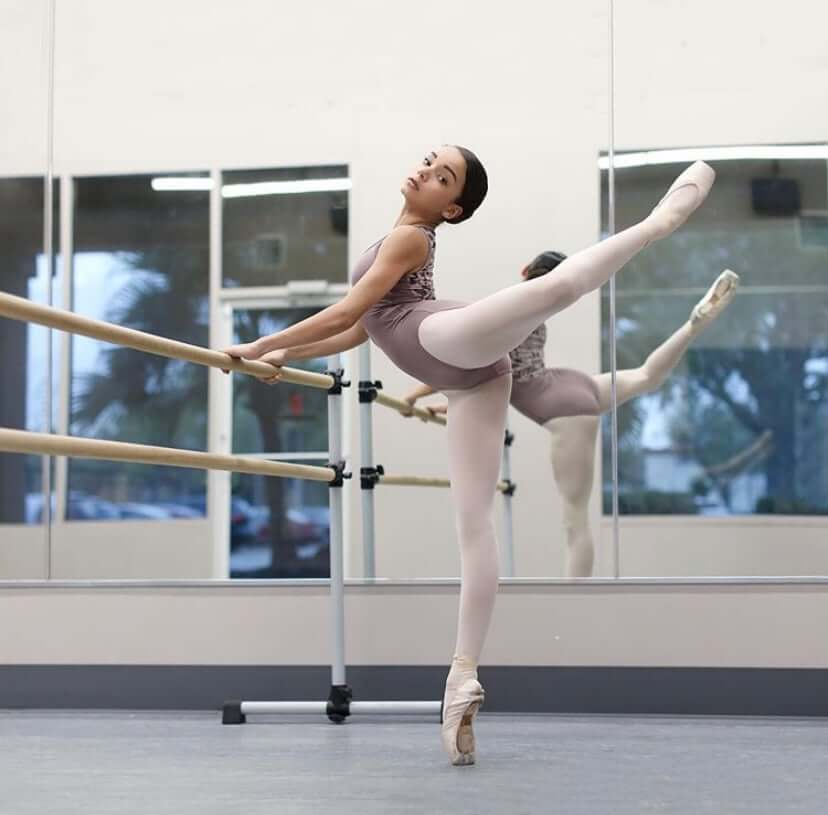
The barre bar or ballet barre is more than a support tool; it is the anchor of classical ballet. It allows dancers to isolate movements, correct alignment, and reinforce the muscle memory required for center work and choreography. Every tendu, plié, and développé practiced at the barre prepares the body and mind for more complex work.
A consistent barre practice routine creates space to reconnect with technique daily, correct habitual errors in posture or turnout, build stamina and muscle intelligence, and develop artistry.
Even professional dancers have to return to the barre every day. It is where growth begins, and it is where trust in your technique is built.
It is also a moment to reconnect with your passion. The repetitive nature of barre may seem monotonous, but within that repetition lies a meditative rhythm that grounds the dancer in discipline and beauty. Barre is not just physical; it is emotional conditioning as well.
In ballet, progress is a matter of mastering all of the details. Repetition during barre practice allows dancers to sharpen those details, ultimately leading to faster results in performances. The brain learns through consistent rehearsal, and the body follows.
This is especially true when training at home or outside of class. Dancers who dedicate even 15-20 minutes a day to a focused barre workout often see quicker improvements in balance and control, enhanced turnout and line precision, and stronger and more fluid transitions in center work. Without the structure of a class, though, many dancers struggle to stay consistent. That is where a home setup makes all the difference.
It helps dancers maintain a sense of routine, especially during school breaks, travels, and unpredictable schedules. With a barre, it becomes easier to commit to that daily ritual regardless of location. A little preparation can lead to a lifetime of stronger technique.
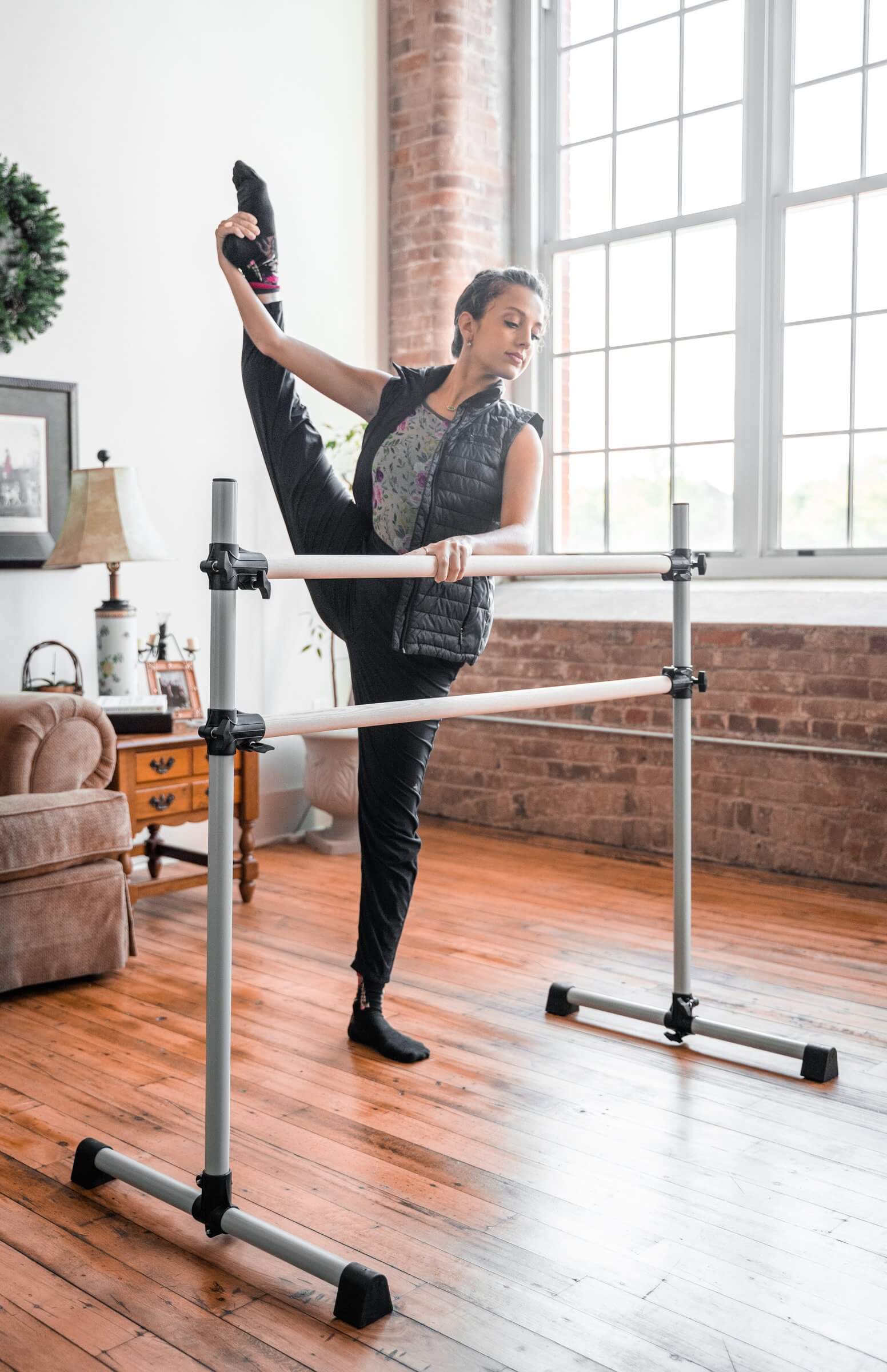
Not all ballet barres are created equal. A professional ballet barre offers the stability and height needed for proper alignment and full extension, two things crucial for safe and effective practice. Whether you are outfitting a barre studio or setting up a corner in your bedroom, the right equipment gives you the confidence to train seriously.
At VITA Barre, we show a lineup of ballerina bars designed for this exact purpose. These are studio-grade tools for dancers who want results, made with precision and elegance.
Good equipment removes the guesswork. You should not have to adjust your form or accommodate wobbly or poorly built gear. A high-quality barre lets you focus entirely on your technique, not your tools.
If you're a dancer looking to level up your training, building a dedicated space for practice is a game-changer. You do not need a whole full studio to make it work, just a small space, a mirror, and a quality barre bar as some prefer to say, or ballet barre, from VITA Barre.
A personal barre studio setup can help you:
The psychological shift of stepping into your own space, even if it is the corner of your room, creates discipline. It helps you say, "This is where I train." That mental commitment supports the physical one.
Add a simple corkboard or journal to your space to track progress and stay inspired. Visual reminders of goals, combinations, or teacher corrections can keep your practice intentional and evolving.
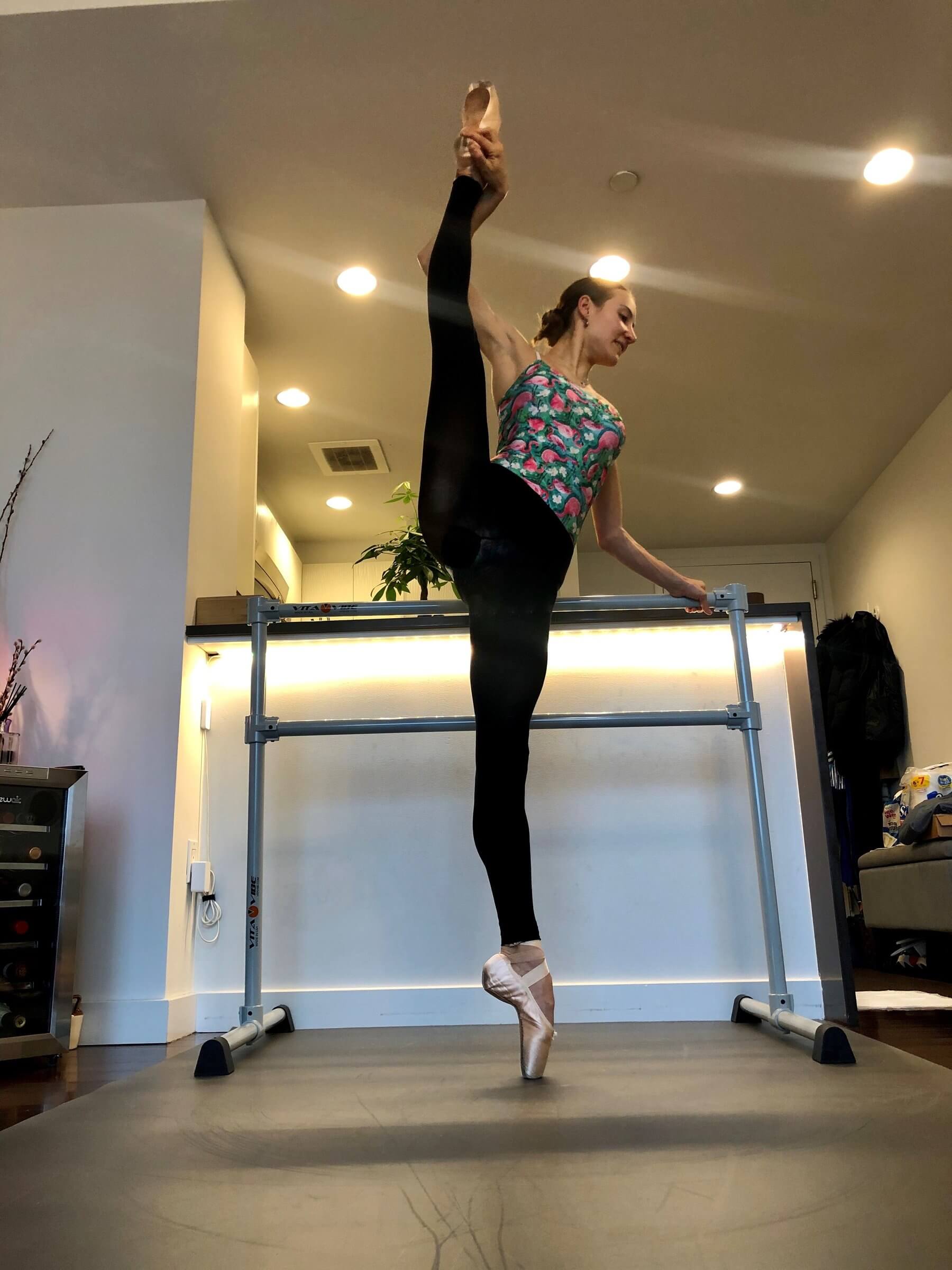
Ballet is as much mental as it is physical. When you show up to the barre regularly, even when motivation is low, you're not just improving your turnout; you're building trust in yourself.
You begin to:
This self-trust leads to confidence on stage. And that confidence is what elevates technique into artistry.
Confidence doesn't just happen overnight; it is the result of showing up repeatedly, facing challenges, and pushing through mental blocks. Each small victory at the barre adds up.
Consistency doesn't mean grinding every day without rest. It means returning to the barre with intention and focus. Dancers who practice mindfully, with attention to corrections and technique, make noticeable progress in less time.
Smart barre practice means:
The goal isn't to perfect everything overnight; it is to move forward every day, no matter how small the step.
This mindful approach also reduces the risk of injury. When you're tuned into your body and practicing with quality equipment, you avoid shortcuts that often lead to strain or burnout. Longevity in ballet comes from this kind of intelligent training.
In ballet, your future performance is built in your present practice. By putting barre practice first and committing to it with consistency and quality ballet equipment, you set yourself up for faster progress, deep trust in your technique, and lasting artistic growth.
Whether you are practicing in a studio or at home with your own barre, show up. Investing in your training. And trust that each plié and tendu is a step toward your full potential.