The Original
06/20/2025 5:00pm
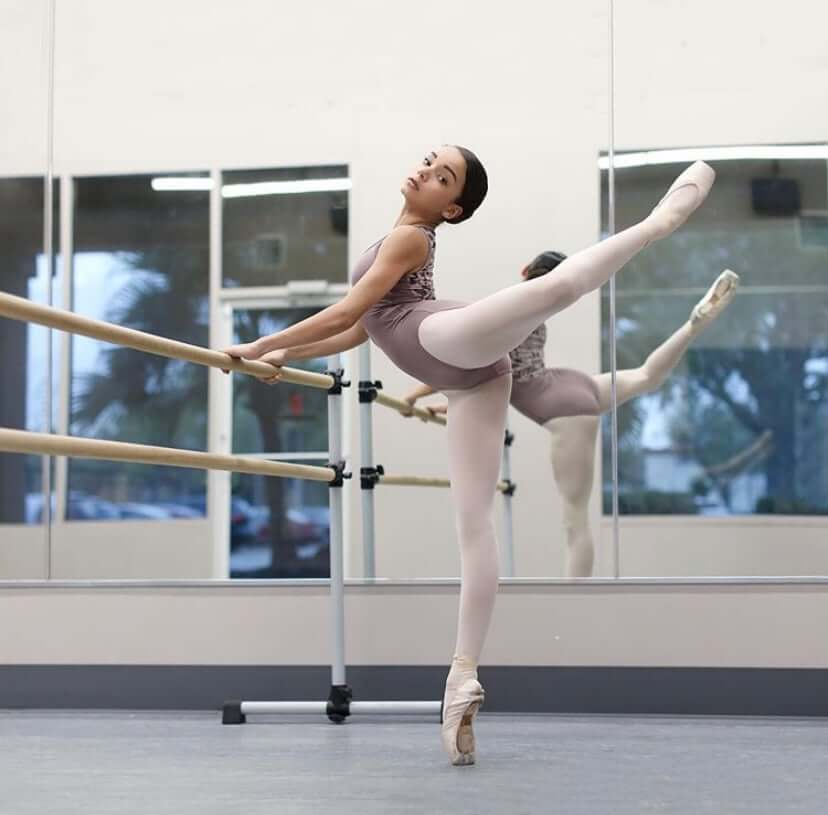
When people hear "ballet," they often picture elegant performances, followed by horror stories of broken toes, bruised nails, chronic blisters, and extreme pain. These images are not entirely false, but they are often dramatized. Social media often shows ballet dancers' feet looking raw, swollen, and battered, reinforcing the belief that ballet inevitably ruins your feet.
But how much of that fear is rooted in reality, and how much is exaggerated myth?
In this post, we'll break down the truth about ballet and foot damage, debunk some of the most common myths, and share proven foot care tips that dancers swear by. Whether you're a lifelong dedicated dancer, getting started, or just exploring a barre workout at home, keeping your feet strong and healthy is essential. Thanks to modern tools like floor barre workouts, resistance training, and advanced barr products, foot health is more accessible and achievable than ever before. This shift reflects a broader trend in dance culture, one that values longevity and personal well-being alongside artistry and skill.
More than ever, dancers are learning how to train smarter, not just harder. By focusing on injury prevention and overall wellness, ballet is evolving into a discipline where longevity and sustainability matter just as much as performance. Foot care is now a vital part of any serious dancer's training regimen, not an afterthought. This includes paying attention to early warning signs of straign and making recovery a non-negotiable part of daily practice.
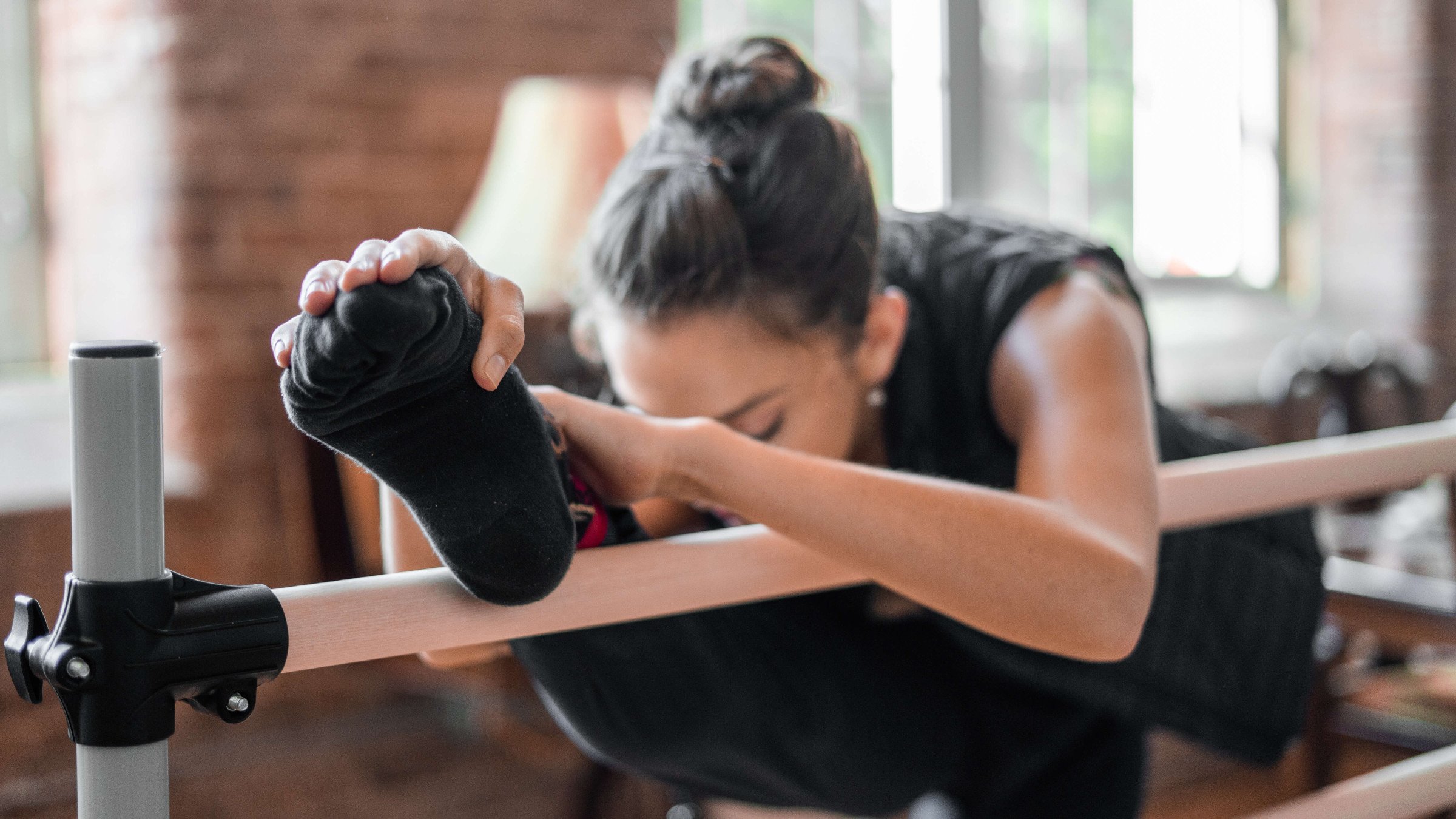
It's a common belief that ballet permanently damages your feet. The truth is, it is hard on your body, but when trained properly with the right technique, progression, and support, foot injuries are preventable.
Yes, pointe work puts pressure on toes and ankles, but most injuries happen because of poor preparation, weak muscles, or worn-out shoes. A well-designed training program that incorporates proper conditioning and recovery can protect dancers' feet from long-term harm. Dancers who follow a guided strength and mobility plan tend to experience fewer setbacks over time.
This is where adding cross-training methods like a floor barre workout can be a game-changer. Floor barre strengthens feet, ankles, and turnout muscles, all without the impact of full standing routines. It reinforces alignment, increases control, and improves proprioception, all of which translate directly into better technique and reduced injury risk. It is a safe way to build alignment and foot controls that translate directly into better technique on your feet. Plus, it can help identify imbalances or weaknesses before they develop into serious injuries.
Even professionals who've been dancing for decades still use floor barre to reset their alignment and give their feet a break from the repetitive stress of full-body classes. It is a foundation practice that continues to benefit dancers at every level. Its accessibility makes it ideal for injured dancers, older dancers, or anyone returning from a break.
Point shoes are not the enemy; they are a tool. The problem usually comes from ill-fitting shoes, improper padding, or rushing into pointe work before the feet and ankles are strong enough.
Modern products have come a long way. Toe pads, toe spacers, custom-fitted shoes, and foot-stretching tools all help reduce pain and prevent common injuries like bunions, blisters, and toenail trauma.
Companies, like VITA Barre, offer innovative barre products that prioritize both form and function. Invest in quality barre equipment, and your feet will thank you. Today's dancers have access to technology and support that previous generations simply didn't.
More importantly, work closely with an experienced pointe instructor or fitter before going en pointe. They can assess your strength, alignment, and readiness, three critical factors for avoiding injury and discomfort. Skipping these steps is often what leads to painful pointe experiences, not the shoes themselves. Personalized guidance makes all the difference in building a safe and sustainable pointe journey.
Even with the best technique and equipment, it demands a lot from your feet. Common issues dancers face include:
But here's the good news: most of these issues are preventable or manageable with consistent care, recovery time, and smart training. Listening to your body, staying hydrated, and taking rest days all support your feet's natural recovery process.
Incorporating floor barre into your weekly routine can give your feet a break while continuing to build strength and technique. It is a great low-impact option for injured dancers or beginners looking to build foundational strength safely.
When doing a professional-level or barre at home, here is how to keep your feet in top shape:
Ballet can be intense, but with proper care and preparation, your feet do not have to suffer. Do not let the horror stories scare you away from dance. Using the right techniques and supportive tools can make all the difference.
Remember: your feet are your foundation. Treat them with respect, give them the care they deserve, and they will carry you through every pirouette, plié, and performance with strength and grace. Empowered dancers know that progress is built on consistency, awareness, and informed choices. Nourish your body, listen closely to its signals, and celebrate every small victory along the way to your personal ballet journey.