The Original
07/11/2025 5:00pm
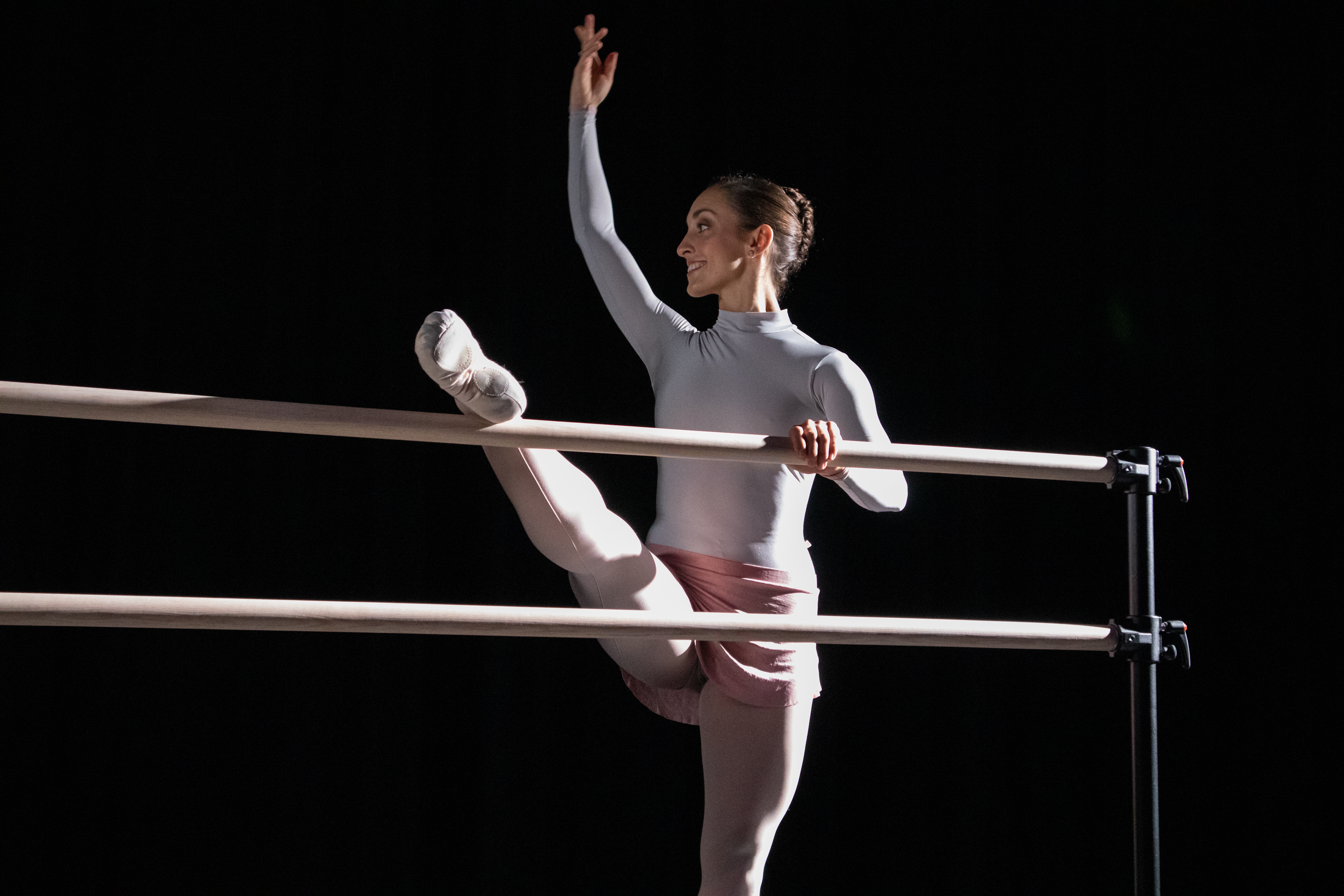
When it comes to improving your barre technique, most people focus on the movement: alignment, reps, choreography, and cueing. But, what if the equipment you are using is quietly shaping your posture, muscle activation, and progress, without you even realizing it?
Whether you're practicing at a professional barre studio or flowing through exercises with a barre at home, the design of your equipment is more than just aesthetic. It is your silent partner, subtly guiding each and every movement.
In this article from VITA Barre, we'll explore how the roll equipment design plays in technique, posture, and progress, and what to look for when choosing or upgrading your gear.
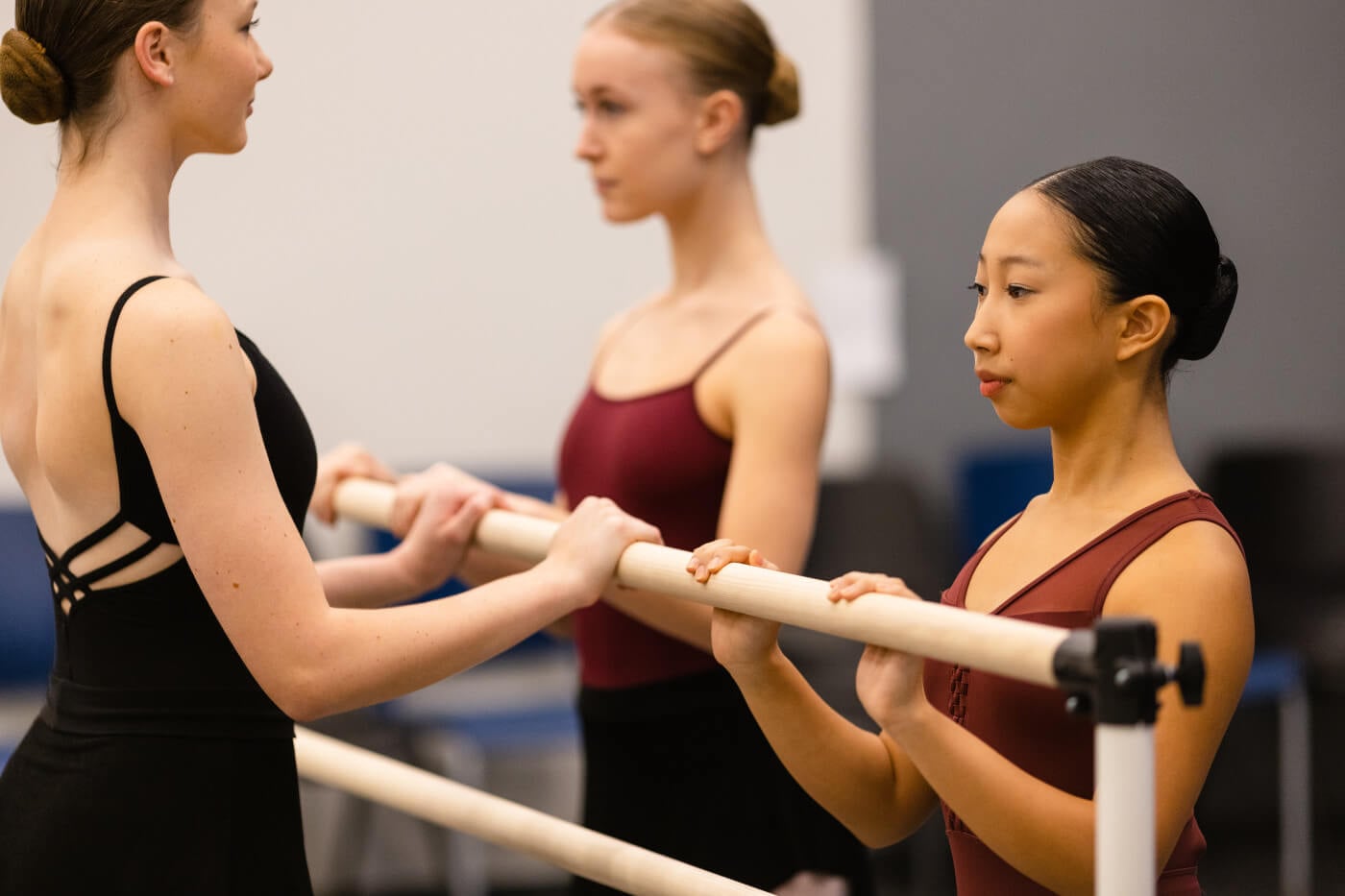
The first place where equipment design affects you is in your body's ability to engage the right muscles.
The diameter of the bar, for instance, directly influences your grip and upper body engagement. A piece of gear that's too thick can strain the hands and limit wrist mobility, while one that is too narrow may reduce stability, causing unnecessary tension in the arms and shoulders.
Material and finish matter too. Gear with a smooth, high-gloss finish may look elegant, but could be slippery during intense sessions. This can force you to grip harder than necessary, disrupting fluidity and subtly shifting activation away from the targeted muscles.
Lastly, equipment stability, whether it is wall-mounted or freestanding, plays a crucial role. A shaky or lightweight piece of equipment limits how much weight you can confidently transfer during isometric holds, pliés, pulses, or stretches. That instability triggers compensatory movements, which reduce core activation and potentially reinforce poor technique.
Properly designed equipment supports your natural alignment, which is essential in both fitness-based equipment and classical ballet.
The height of the equipment should allow you to lightly rest your hands without hiking up your shoulders or slumping through your spine. Too high, and your shoulders creep up. Too low, and your entire upper body collapses forward.
Distance from the wall also matters. If a wall-mounted barre is too close to the wall, your wrist and shoulder alignment will be compromised, especially in first- or second-position holds.
In both studio and home settings, consistent posture cues become easier when your equipment naturally supports correct form. That's especially important during fatigue, when form tends to break down and the risk of injury increases.
Whether you're an instructor, dancer, or enthusiast, you know that repetition builds muscle memory, and that memory is only as good as the environment it is trained.
Your equipment can either support or hinder your technical precision. Design features such as a consistent grip surface, no sharp transitions, and a smooth, even profile help your hands land in the same position every time. That consistency allows for better proprioceptive feedback and movement calibration.
When you are using the same equipment daily, tiny design flaws can add up. Over time, they affect not just comfort, but also accuracy and confidence in executing the technique. Think of it this way: A painter wouldn't practice on an uneven keyboard, so why should ballet work be any different?
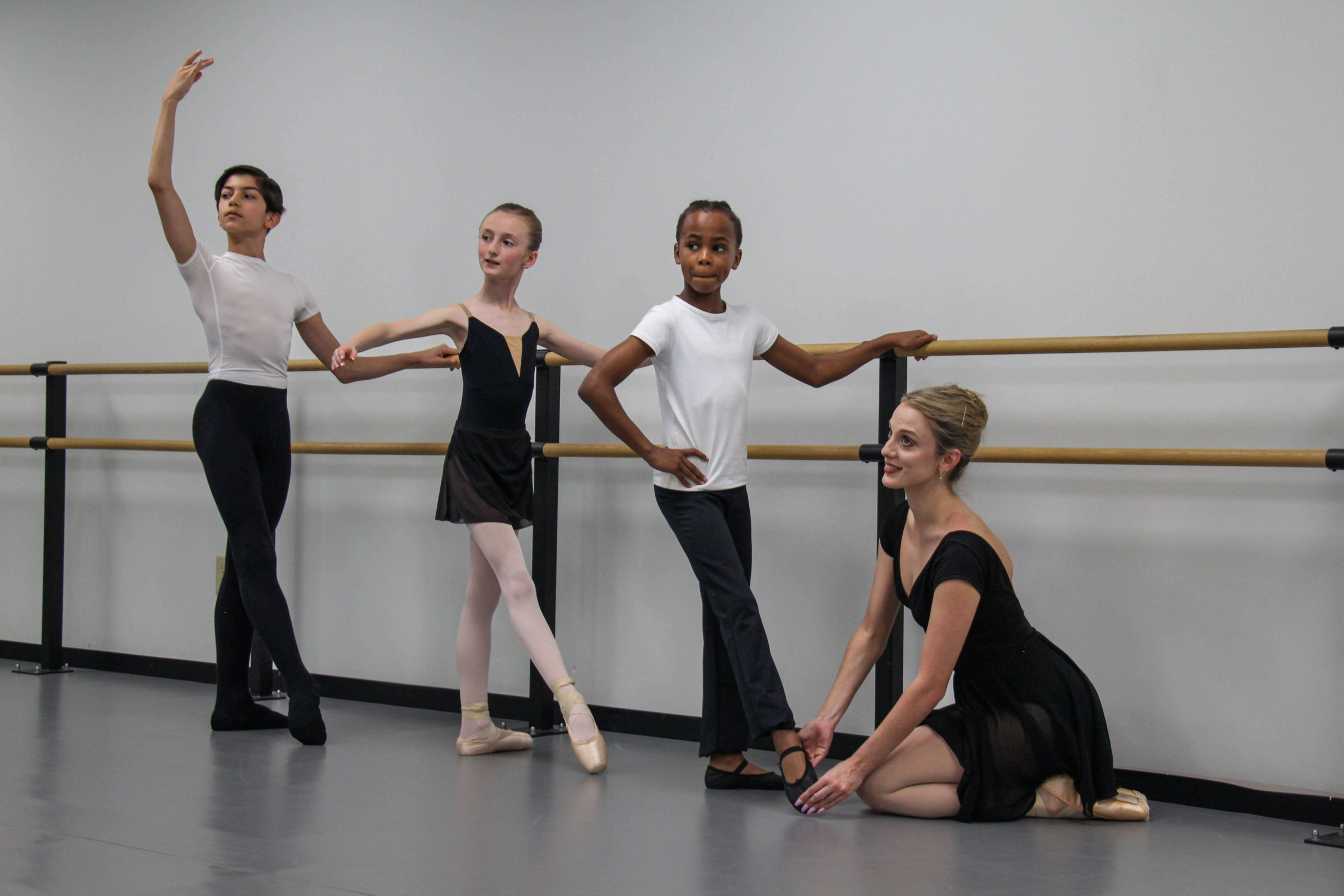
Barre studios typically invest in permanent, wall-mounted barres made from materials such as wood or powder-coated steel. These are designed for high durability, multiple users, and long-term alignment consistency.
In contrast, ballet at-home setups need to be more flexible, but that doesn't mean compromising on quality. Portable equipment should still prioritize stability, appropriate height, and a non-slip surface. Lightweight equipment might be easier to store, but it should not wobble during workouts.
Here's where things often go wrong: home users may assume any barré-like object (like a chair back or a stair railing) will do. But inconsistent height, grip, and distance throw off form, reduce muscle targeting, and can even contribute to long-term posture issues.
Whether in a boutique studio or your living room, your own equipment should give you the same thing: support without interference.
Not all barres (or barrés) are built the same, and choosing the right one can make all the difference in the world in your practice. Whether you're outfitting a studio or setting up your space at home, here are the key features to look for when purchasing:
If you're looking for high-quality, reliable ballet gear that meets all these key features, be sure to check out our website.
When you think about how much time is spent at the ballet bar, warming up, refining form, and building endurance, it becomes clear that equipment isn't just a background object. It's your silent coach, either guiding you toward better technique or slowly reinforcing limitations.
In a world of fitness and dance, attention to detail separates the good from the great. The more in tune you are with your equipment, the more precise, aligned, and effective your movement becomes.
So, whether you are outfitting a boutique studio or perfecting your at-home routine, remember: the equipment you choose shapes the body you build.
VITA Barre has designs that meet the demands of both professional studios and dedicated home practitioners. With thoughtfully engineered details, like optimal height, durable materials, and grip-friendly finishes, we craft equipment to support precise technique and long-term progress.
Whether you're just getting started or upgrading your current setup, our equipment is built to be your most reliable training partner. Explore our collection and find the gear that meets your movement where it matters most.