The Original
07/15/2025 5:00pm
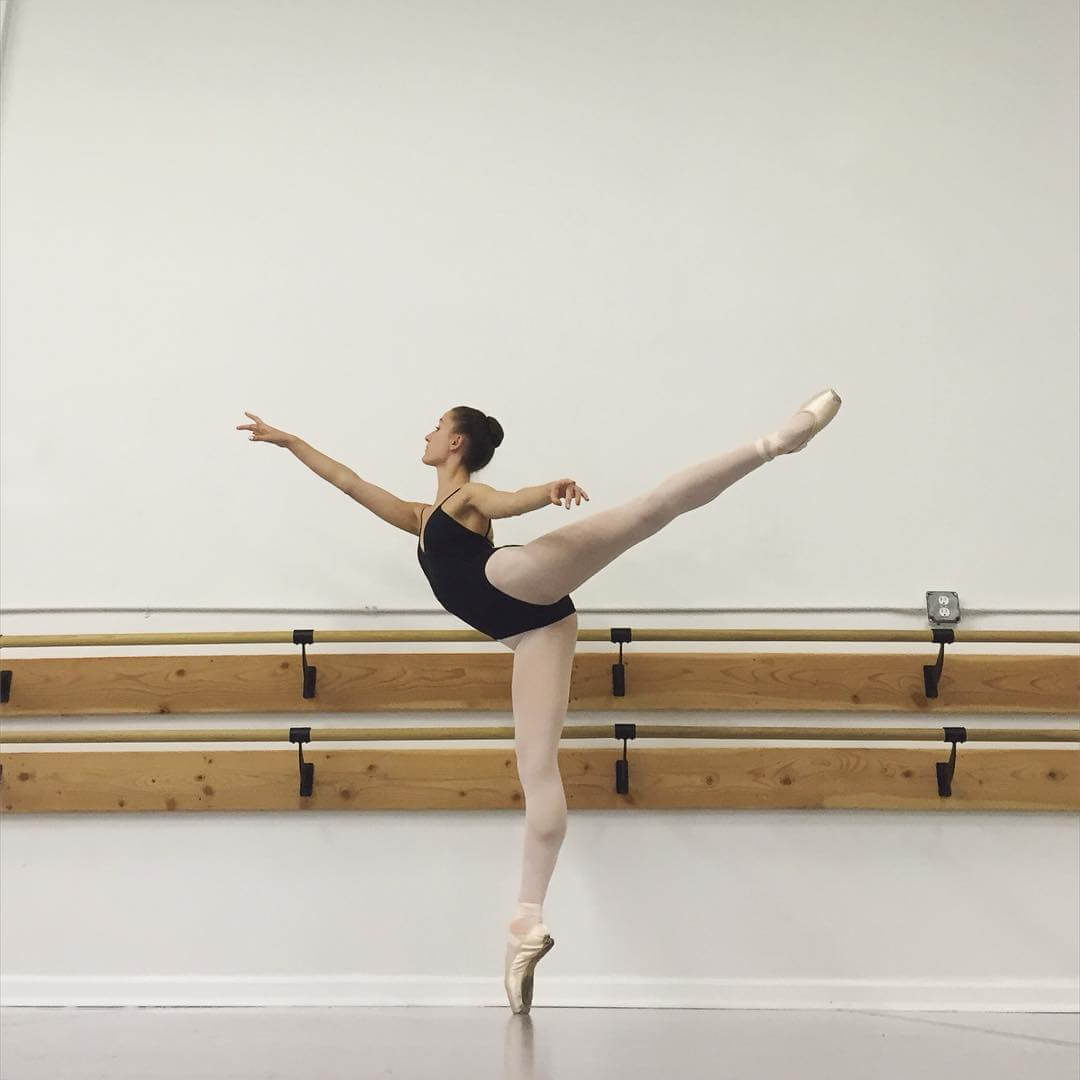
When most people think of ballet, they imagine professional dancers, dramatic stage lights, and decades of training. But the truth is, this graceful and powerful movement practice is for everyone, no matter your age, body type, or fitness level.
Whether you're looking to improve your posture, find a new way to stay active, or connect with your body more mindfully, ballet-inspired movement has something to offer. You do not need to be flexible. You do not need prior dance experience. All you need is the willingness to show up and move.
It's easy to assume that this art form is out of reach if you didn't grow up dancing, but that couldn't be further from the truth. The core of this practice is about presence, discipline, and appreciation for form. You do not need to leap across a stage to feel empowered; you can find that same joy in small, deliberate movements done in your own living room.
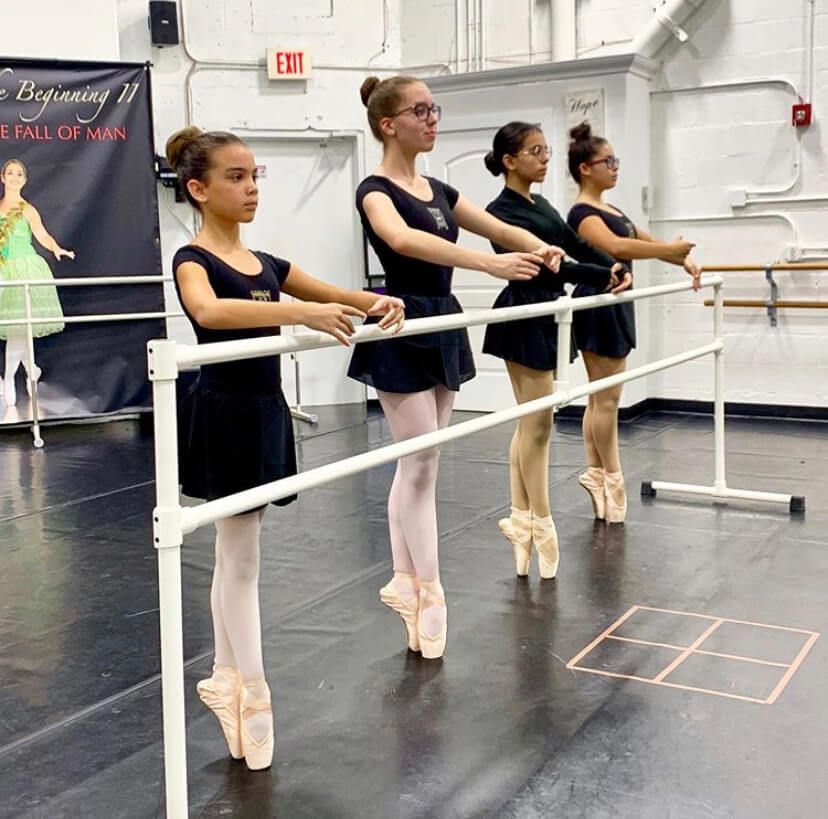
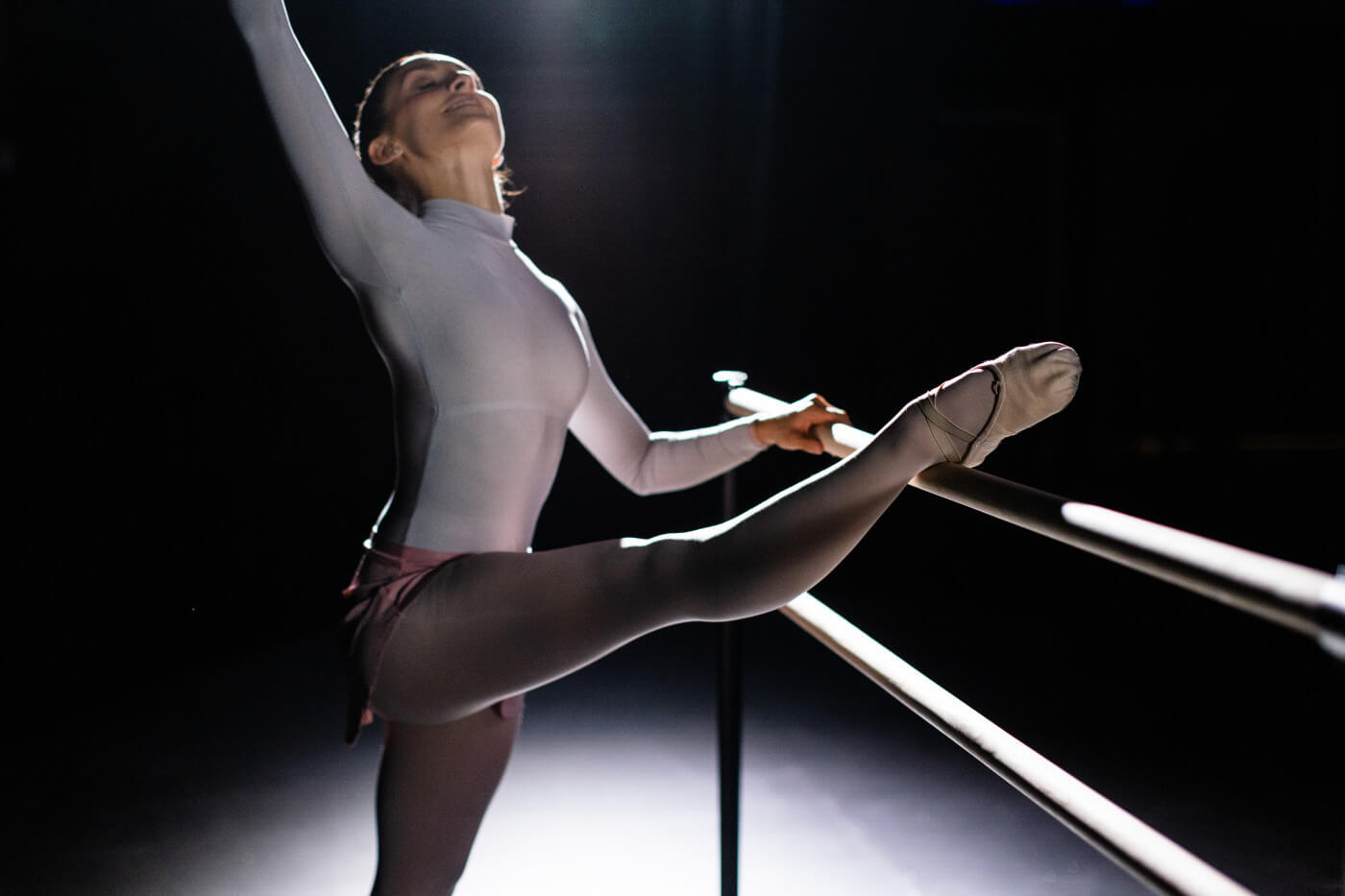
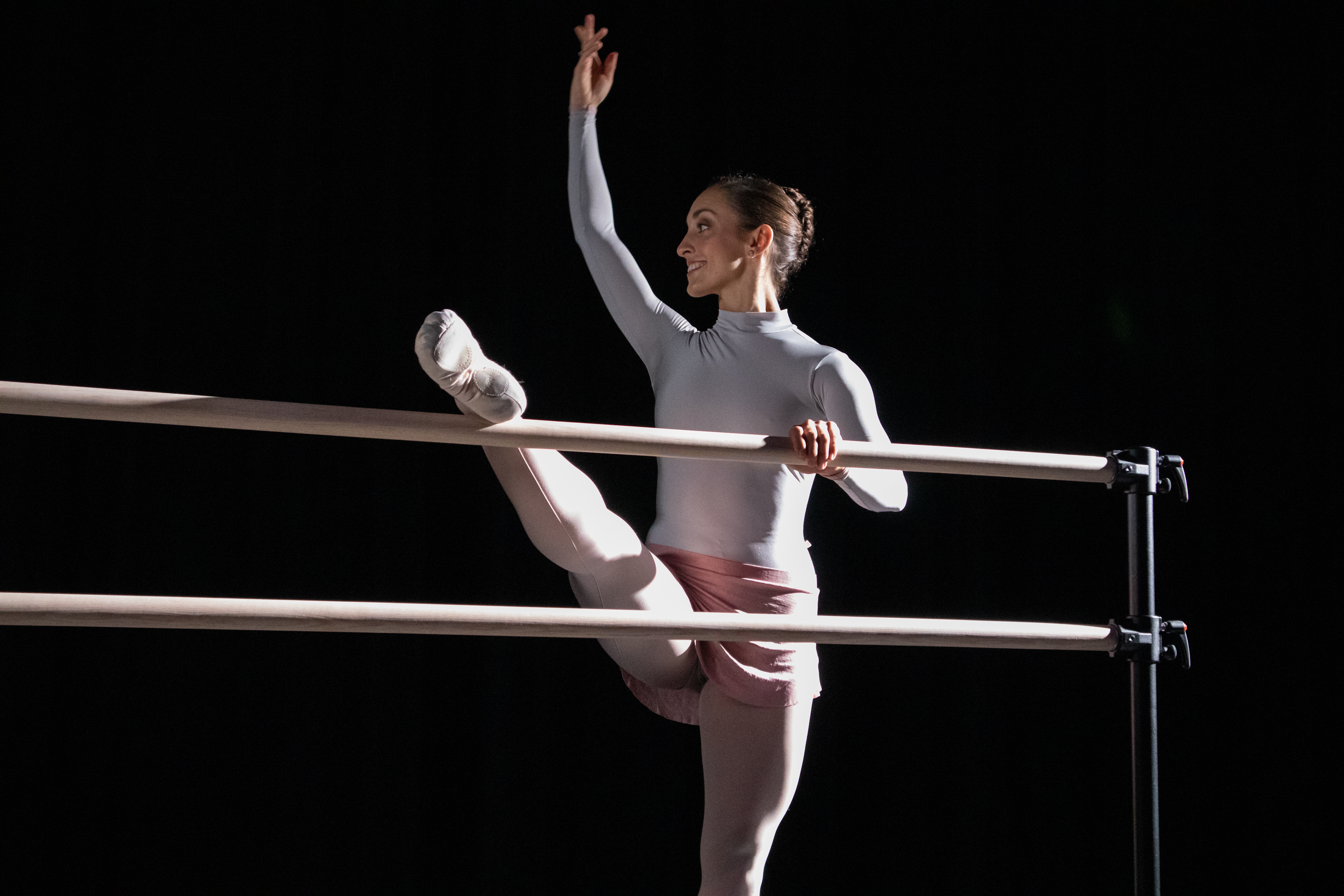
At its heart, ballet is a language of movement, one that tells stories, expresses emotion, and teaches control through grace. You do not have to perform under lights to experience its benefits. The foundational movements of this dance, practiced at the barre or in the center, help develop strength, balance, and elegance over time.
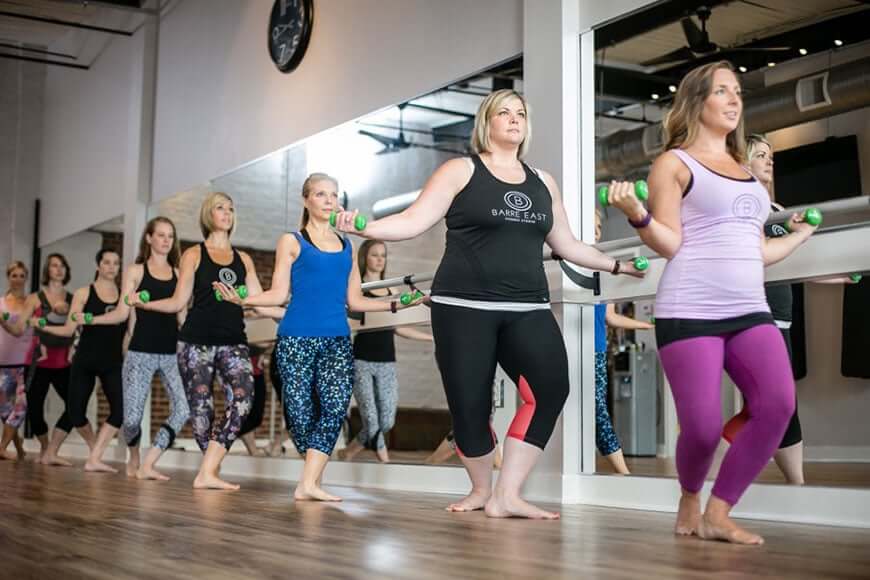
Many people today discover ballet through barre workouts at home or in studio barre classes. These classes often blend classical elements with modern fitness techniques, creating a hybrid that's accessible and empowering. Whether you're working on pliés or port de bras, ballet invites you to move with intention and awareness.
This kind of practice is not only physically rewarding but also mentally clarifying. By committing to a few mindful minutes each day, you can start to cultivate a sense of calm and focus that carries over into daily life. The repetition and rhythm of certain sequences become meditative, creating a balance between strength and serenity.
Additionally, this movement form nurtures alignment in a way that few other workouts do. Over time, you'll likely notice improvements in the way you walk, sit, and carry yourself. These subtle shifts might seem small at first, but they compound into a more confident and grounded presence.
With a few key pieces, like a mat and a portable ballet barre, it is easy to bring dance into your own space. You do not need a full studio or mirrors lining the walls. What matters is that you have room and the structure to support proper alignment.
Practicing ballet at home allows you to progress at your own pace. You can revisit basic positions, refine your technique, or explore combinations that challenge your coordination and focus. It's a beautiful way to add artistry to your wellness routine and to make time for yourself in a meaningful, quiet way.
You can also personalize your space to suit your needs and energy. Some people enjoy soft lighting and calm music. Others may thrive with an energizing playlist and bold colors. The beauty lies in making the experience your own. No one is watching, and that freedom allows you to take risks, experiment, and discover your unique style of movement.
It is also an ideal format for people with busy lives. Whether you are a parent squeezing in 20 minutes between errands or someone unwinding after a long day at work, the convenience of practicing at home removes one more barrier to consistency.
Ballet is especially powerful for children. It helps them develop coordination, musicality, and posture while building emotional awareness and self-confidence. A properly sized ballet barre for children makes it easy for young dancers to practice safely, either at home or in a class.
Starting ballet at a young age isn't just about technique; it is about fostering discipline, creativity, and connection to movement. Whether your child dreams of the stage or simply enjoys twirling in the living room, dance can offer a healthy, expressive outlet.
In a world where screens and sedentary habits are increasingly common, introducing kids to movement practices early can set the stage for a lifetime of physical awareness and self-expression. Classes or at-home sessions give them structure without pressure, encouraging playfulness while teaching patience and persistence.
For children who may be shy or lack confidence in other areas, this kind of movement can serve as a quiet anchor, a way to build inner strength through consistent practice. And for those bursting with energy, it provides a focused outlet where that energy is celebrated and shaped.
Traditional ballet has long been viewed through a narrow lens, often limited by rigid body standards and stereotypes. But that image is changing. Today, dances of all shapes, sizes, ages, and backgrounds are reclaiming this traditional dance as a personal practice, not just a performance.
Whether you're attending a studio barre class or following a barre workout at home, the goal is not perfection; it is progress. You are learning to move with more purpose, to carry yourself with more poise, and to appreciate your body for what it can do.
There is something incredibly affirming about choosing to move in a way that honors your body, not pushes it. You begin to let go of outdated ideals and start valuing consistency, joy, and exploration. Instead of chasing a specific look, you start chasing how it feels to move well, and that shift is transformative.
What is more, this growing inclusivity is helping reshape the broader fitness culture. People are showing up in their own skin, without apology, and proving that the movement belongs to everyone. You do not have to fit a mold to participate. You just have to be open to the experience.
Ultimately, the true reward is not about perfect turnout or high extensions. It is in the moments where movement becomes the only expression. It is where effort becomes grace, and where you realize you are capable of more than you ever imagined, one mindful movement at a time.