The Original
10/09/2025 11:30am
There's something profoundly beautiful about classical barre ballet technique. The precision of each position, the control required for seemingly effortless movements, the years of dedicated practice that transform the body into an instrument of grace. These elements combine to create one of the most demanding and rewarding art forms in existence.
For centuries, aspiring dancers have stood at wooden barres, repeating the same fundamental exercises that build the strength, flexibility, and technical precision ballet requires. These exercises, passed down through generations, remain as relevant today as when they were first codified. Whether you're five or fifty-five, whether you dream of performing Swan Lake or simply want to move with more grace, the path to mastering barre ballet begins at the barre.
Today's dancers have an advantage previous generations could only dream of: access to professional-quality barres for home practice. No longer must serious students rely solely on studio time to develop their technique. With the right barre equipment and dedicated practice, you can build a solid technical foundation in your own space, on your own schedule.
VITA Barre brings studio-quality barres into homes, democratizing access to the tools that support proper ballet training. Let's explore how to build authentic ballet technique from the ground up.
In every ballet class, from beginner children to professional company dancers, class begins the same way: at the barre. This isn't tradition for tradition's sake. The barre serves essential functions that make it irreplaceable in ballet training.
The barre provides balance support that allows you to focus entirely on placement, alignment, and technique without worrying about falling. This support is especially crucial when learning new movements or working on elements that challenge your current abilities. Whether you're a young student working on your first tendus or an advanced dancer perfecting your extensions, the barre offers the stability you need to work precisely.
Quality barres must provide unwavering support. A free standing ballet barre from a reputable manufacturer offers the same stability as studio-installed barres, giving you confidence to lean, push, and work without equipment wobbling or tipping. This stability isn't a luxury, it's essential for safe, effective practice.
The height at which you work matters enormously for proper technique. Incorrect ballet barre height can force poor posture, compromise alignment, or prevent you from accessing the full range of motion exercises require. This is why serious barres feature smooth adjustment mechanisms like slide tracks, allowing you to find the perfect working height for your proportions and each specific exercise.
Before diving into specific exercises, let's establish what classical barre ballet technique actually means. Barre ballet encompasses:
Alignment and Posture: Proper ballet alignment stacks the body efficiently: lengthened spine, engaged core, shoulders down and back, pelvis neutral. This alignment allows for maximum control and minimum strain. Every barre ballet exercise at the barre reinforces this fundamental positioning.
Turnout: Ballet's distinctive aesthetic comes from rotating the legs outward from the hip joints. Proper turnout develops gradually through consistent practice—never forced, always controlled. The barre provides support as you work to increase turnout safely.
Foot Articulation: Ballet demands extraordinary foot control. From perfectly pointed toes to articulated rolls through demi-pointe, your feet become precision instruments. Barre exercises develop this articulation systematically.
Port de Bras: While we often focus on legs and feet, arm carriage distinguishes skilled dancers from beginners. Graceful, controlled arm movements coordinate with leg work to create barre ballet's characteristic beauty.
Core Strength and Control: Ballet's seemingly effortless movements require tremendous core strength. Every position, every movement, every balance depends on deep core engagement that develops through consistent practice.
Let's explore the fundamental exercises that build ballet technique. These form the core of barre ballet practice worldwide.
Pliés: The Foundation
Every ballet class begins with pliés: knee bends performed in various positions. Pliés develop leg strength, increase hip flexibility, warm up the body, and teach proper weight distribution. They're deceptively simple yet endlessly deep.
Proper plié technique requires:
With your hand on quality barres, you can focus entirely on these technical elements without worrying about balance. The barre allows you to work deeper into your plié, accessing greater range of motion safely.
Tendus: Precision and Control
Tendus mean "stretched." You slide your foot along the floor to a pointed position, then return to closed. This seemingly simple movement teaches foot articulation, leg control, and precise timing. Professional dancers perform thousands of tendus throughout their careers because this exercise builds fundamental technique.
Quality barre equipment supports proper tendu execution by allowing you to use the barre lightly—just enough for balance while maintaining proper posture. If your barres are unstable or at incorrect ballet barre height, you'll grip too hard or lean, compromising the technique you're trying to build.
Dégagés: Speed and Articulation
Dégagés are faster tendus where the foot leaves the floor. They develop quick, precise footwork and ankle strength. The movement appears small but requires significant control and speed.
Ronds de Jambe: Hip Mobility
These circular leg movements develop hip flexibility and control. Your working leg traces semicircles on the floor (à terre) or in the air (en l'air). Ronds de jambe reveal and gradually improve hip mobility, essential for advanced ballet movements.
Frappés: Power and Precision
Frappés are striking movements that develop foot speed and strength. Your foot flexes, then extends sharply, "striking" through pointed position. This exercise builds the quick, powerful footwork ballet demands.
Fondus: Control and Balance
Fondus combine a plié on your supporting leg with extension of your working leg. They develop balance, control, and the smooth weight transitions essential for traveling movements and jumps.
Développés: Extensions and Strength
Développés involve slowly unfolding your working leg to an extended position. This exercise builds the strength and control necessary for high extensions, adagio movements, and suspended balances.
Grand Battements: Power and Height
Grand battements are high, controlled leg kicks to the front, side, and back. They develop power, flexibility, and the dynamic control needed for jumping and traveling movements.
Ballet cambre, the graceful arching of the upper body, represents one of ballet's most expressive elements. Unlike the precise geometry of leg positions, ballet cambre allows for artistic interpretation while still demanding technical control.
Proper ballet cambre technique requires:
The barre provides essential support as you develop ballet cambre control. With one hand on stable barres, you can arch with confidence, exploring your range of motion without fear of losing balance. This support allows you to focus on the quality of the arch rather than just maintaining stability.
As ballet cambre ability improves, you'll find this movement appears throughout ballet vocabulary—in pirouettes, adagio work, and artistic expression. The control developed through barre practice translates directly to center work and performance.
We've mentioned ballet barre height several times, but let's address why this specification matters so significantly for technique development.
For Adults: Most adults work best with barres adjusted between 38-48 inches, depending on height. Taller dancers generally need higher positioning, though individual proportions vary. The ideal ballet barre height allows you to:
For a Ballet Barre for Children: Children require significantly lower positioning. Young children might need barres as low as 24-30 inches. As they grow, frequent adjustment becomes necessary. This is where barres with smooth slide tracks prove invaluable—adjusting ballet barre height takes seconds rather than becoming a frustrating process that discourages practice.
Proper ballet barre height for children ensures they develop correct technical habits from the beginning. When the barre sits too high, children compensate by hiking shoulders, arching backs, or gripping incorrectly. These compensation patterns become ingrained, making proper technique harder to achieve later.
For Different Exercises: Even individual dancers sometimes benefit from different ballet barre height for different exercises. Some teachers prefer lower positioning for pliés and higher for extensions. The ability to adjust quickly via slide tracks means you can optimize positioning throughout your practice.
Ballet technique develops through consistent, progressive practice. You can't rush the process—attempting advanced movements before mastering fundamentals leads to injury and poor habits that take years to correct.
Beginner Stage - Months 1-6: Focus entirely on basic positions and fundamental barre ballet exercises. Perfect your pliés, tendus, and basic dégagés. Develop awareness of proper alignment and turnout. Build core strength and flexibility gradually through consistent practice.
Even if you're an adult with athletic background, resist the urge to progress too quickly. Ballet uses the body in specific ways that require time to develop, regardless of general fitness level.
Intermediate Stage - Months 6-18: Add complexity to basic exercises. Work on faster tempos, larger ranges of motion, and combining movements. Introduce more challenging exercises like adagio work, controlled extensions, and ballet cambre variations.
This stage tests patience. Progress feels slower as you work on refinement rather than learning entirely new movements. Trust the process—this is where true technique develops.
Advanced Stage - 18+ Months: Focus on artistic expression, dynamic control, and complex combinations. Work on sustained balances, multiple pirouettes, and the nuanced details that distinguish accomplished dancers. Continue perfecting fundamentals—they never stop mattering in barre ballet.
Working at home requires discipline and structure that studio classes provide automatically. Create effective practice by:
Establishing Routine: Practice at the same time and place regularly. Your body and mind will begin preparing automatically, making it easier to maintain consistency.
Structuring Sessions: Always begin with proper warm-up, follow classical barre exercise progression, and end with cool-down and stretching. Don't skip fundamentals to jump to fun movements—the fundamentals are what make advanced movements possible.
Using Mirrors: Position your free standing ballet barre where you can see yourself from multiple angles. Mirrors provide immediate feedback on alignment and execution. You'll catch errors you might not feel, allowing for faster technical correction.
Recording Yourself: Periodic video recording reveals details mirrors miss. You might feel like you're maintaining proper alignment, but video often tells a different story. Review recordings to identify areas needing focus.
Seeking Feedback: While home practice is valuable, periodic feedback from qualified teachers prevents the development of bad habits. Consider regular check-ins with a ballet instructor who can assess your progress and provide corrections.
Children Learning Ballet: When setting up a ballet barre for children, prioritize safety and appropriate sizing. Ensure barres are stable enough to withstand children's less-controlled movements. Verify that ballet barre height adjusts low enough for small bodies. Consider barres that will grow with your child—quality free standing ballet barre options with wide adjustment ranges serve children from beginning barre ballet through teen years and potentially into adulthood.
Children learn best through play and positive reinforcement. Make practice fun, celebrate small victories, and never push beyond what feels appropriate for young bodies still developing.
Adult Beginners: Adults bring unique challenges to ballet: bodies less flexible than children's, mental barriers about looking foolish, and often unrealistic expectations about progression speed. However, adults also bring focus, discipline, and the ability to understand technique intellectually.
Invest in quality barres that support your practice without compromise. Take class from teachers who understand adult learning. Be patient with your body—it can learn ballet at any age, but it needs time and respect.
Dancers Returning After Time Away: Former dancers returning to ballet after years away often expect their bodies to remember more than they do. Muscle memory exists, but so does muscle atrophy and lost flexibility. Return gradually, almost as if starting over. You'll progress faster than true beginners due to existing knowledge, but forcing your body to perform as it once did invites injury.
We've discussed technique extensively, but let's be explicit about how proper barre equipment supports technical development.
Stability Enables Focus: When you trust your barres completely, your mind focuses on technique rather than equipment reliability. This mental availability accelerates learning. Wobbly or unstable barres divide your attention and slow progress.
Proper Height Supports Alignment: Correct ballet barre height, easily achievable with quality slide tracks systems, allows proper body positioning. This means every repetition reinforces correct habits rather than compensation patterns.
Durability Supports Consistency: Barre equipment that maintains integrity through daily use enables the consistent practice technique development requires. You can't build proper technique practicing sporadically because your barres are inconvenient to set up or unreliable to use.
Accessibility Enables Practice: Having professional-quality barres at home removes barriers to practice. You don't need to commute to a studio, work around class schedules, or pay per session. This accessibility makes the difference between wishful thinking about improving your technique and actually doing the consistent work that creates real progress.
Ballet demands extraordinary body awareness. Beyond the specific exercises we've discussed, developing overall physical intelligence accelerates your technical progress.
Some dancers benefit from complementary practices like Pilates, yoga, or somatic work. These modalities develop body awareness, core strength, and flexibility that support barre ballet training. They're not replacements for ballet practice but valuable additions.
Additionally, understanding basic anatomy helps. Knowing how your hip joints actually articulate, where turnout truly comes from, and how your spine moves informs your practice and helps prevent injury. Many excellent resources exist for dancers wanting to understand their bodies better.
For those recovering from injury or managing chronic conditions, ballet barres for physical therapy bridge the gap between rehabilitation and returning to dance. The same stable support and controlled movements that build ballet technique also support therapeutic recovery. Always work with healthcare providers when using barres for rehabilitation purposes.
Building authentic ballet technique is a journey measured in years, not weeks. It requires patience, consistency, and proper support—both from qualified teachers and from quality barres that enable effective home practice.
Whether you're setting up a ballet barre for children just beginning their dance education, creating a home practice space to supplement studio training, or returning to ballet after years away, the right barre equipment makes your journey possible.
VITA Barre's free standing ballet barre options with smooth slide tracks for precise ballet barre height adjustment provide the professional-quality support your barre ballet technique deserves. From basic pliés to advanced ballet cambre work, from fundamental exercises to complex combinations, quality barres support every stage of your technical development.
Explore VITA Barre's range of professional-grade barre equipment designed for serious technical practice. Your ballet technique is only as strong as your foundation—make sure that foundation includes the tools that truly support growth.
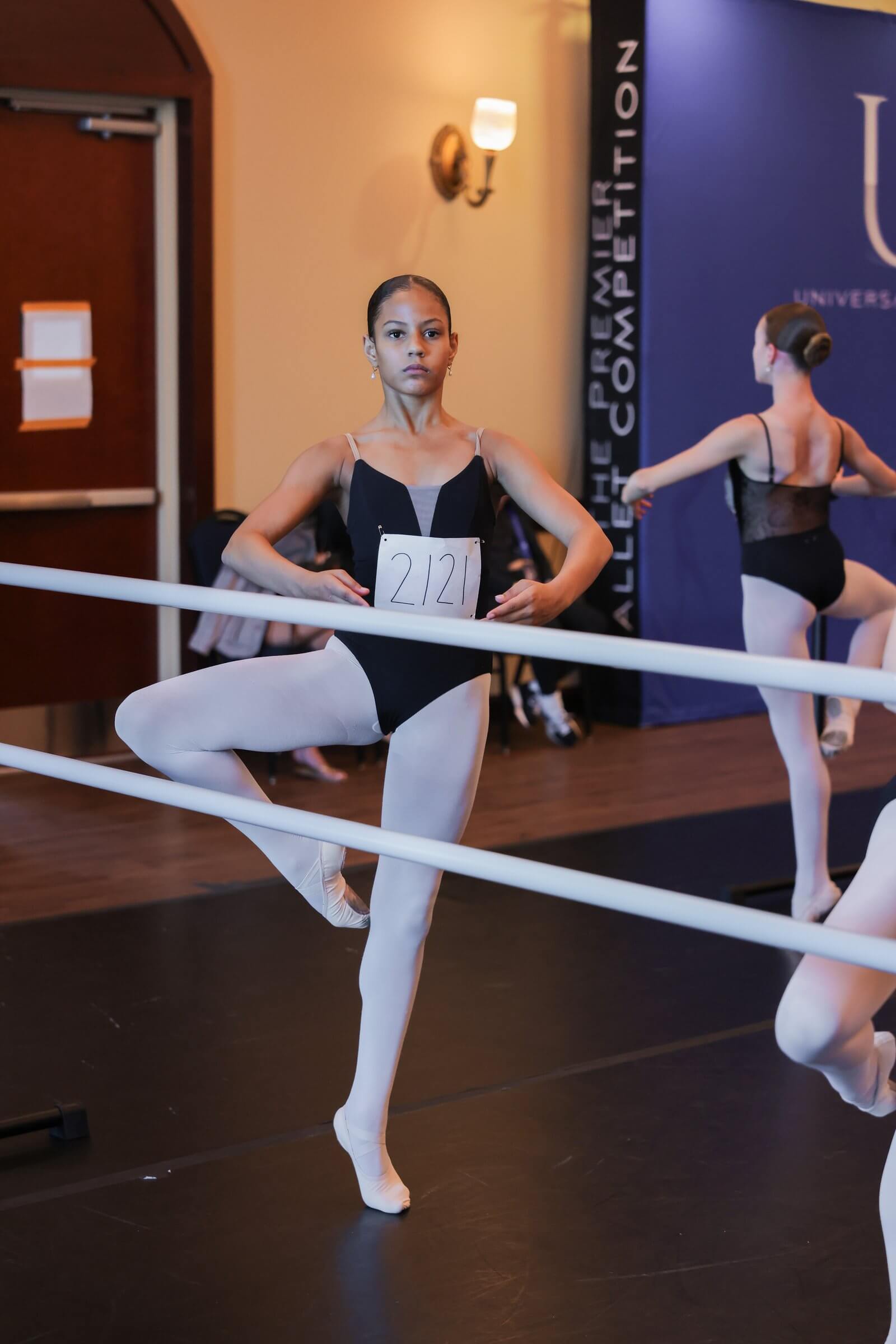
The barre is waiting. Your technique is calling. Begin today.
