The Original
10/15/2025 11:30am
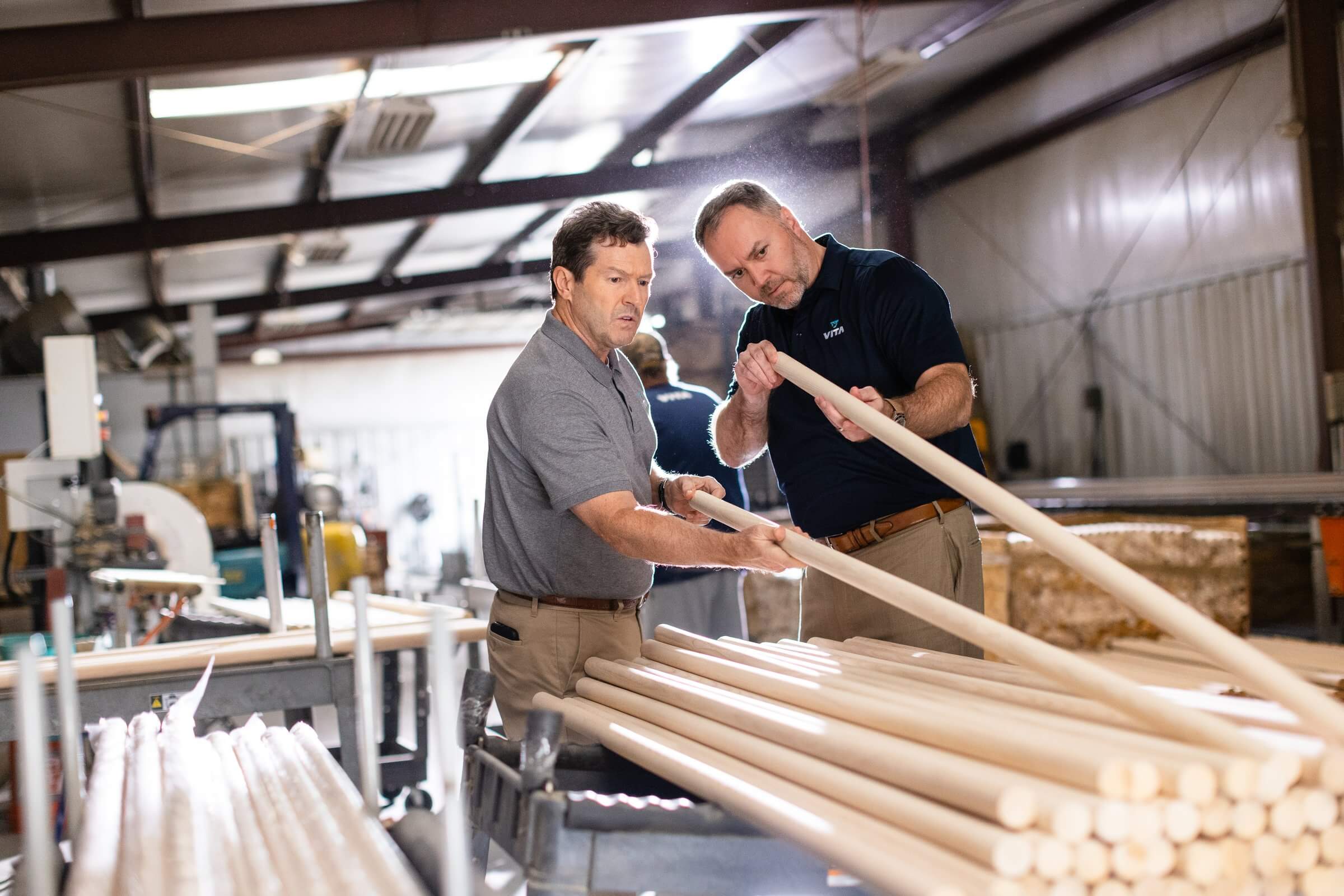
For dancers, athletes, and movement enthusiasts, the ballet barre is more than a piece of equipment—it’s a pillar of stability, strength, and discipline. Every plié, stretch, and balance sequence starts here. And whether you’re designing a home workout space or outfitting a full studio, installing barres the right way ensures safety, alignment, and performance that lasts.
The process begins with intention. Choosing the right materials, height, and placement transforms a simple rail into a tool for transformation. From the portable free standing ballet barre to the elegant studio barre setup, each choice impacts how your body moves and how your space feels.
When you picture a dancer’s studio, you probably imagine a clean line of wooden or metal rails mounted along mirrored walls. But the details behind that installation—height, spacing, and structure—are what truly define a professional setup.
The ideal ballet barre height typically falls between hip and waist level. This allows the shoulders to stay relaxed and posture to remain neutral during movement. For teachers or fitness instructors, adjustable options like the Adjusta Bar simplify multi-user classes and accommodate varying body types and training levels.
Ballet barre brackets also play a crucial role. High-quality brackets ensure stability and safety, keeping the barre secure even during rigorous stretching or balance sequences. For studios hosting classes with younger dancers, a lower ballet barre for children ensures accessibility and proper alignment right from the start.
These design elements combine to create a professional ballet barre setup that supports precision, flow, and confidence—no matter who’s using it.
While rooted in dance, the barre’s reach extends far beyond the studio. In recent years, barre ballet workouts have become a mainstay in fitness programs, physical therapy clinics, and home gyms.
At its core, this training style blends classical ballet technique with modern functional movement. The barre bar serves as an anchor for balance work, core strengthening, and flexibility exercises. Because it supports controlled, low-impact movement, it’s perfect for improving posture, alignment, and joint stability.
From recovering athletes to busy professionals seeking gentle mobility work, the structure of the barre provides stability without sacrificing intensity. It allows users to move with intention and awareness—qualities that enhance both physical and mental wellbeing.
Every dancer and every space is unique, which makes custom ballet barres an exceptional investment. Customization allows for flexibility in materials, finishes, and mounting options, ensuring that your setup perfectly complements your environment and aesthetic.
At VITA Barre, craftsmanship meets practicality. Their attention to detail—from the feel of the grip to the smoothness of the finish—creates a product that is as elegant as it is functional. Whether you prefer a wall-mounted rail for a sleek, minimalist look or a free standing ballet barre for portability, the emphasis remains on balance, durability, and design harmony.
Customization also means catering to diverse training goals. A professional dance studio may prioritize traditional wood finishes and fixed heights, while a home fitness enthusiast might opt for adjustable aluminum options or compact models that can be easily moved and stored.
The design of a quality barre isn’t just aesthetic—it’s biomechanical. The correct ballet barre height supports optimal alignment, helping maintain a neutral spine and engaged core. This alignment minimizes strain on the lower back and knees during repetitive movements like pliés and relevés.
A properly secured barre with reliable ballet barre brackets ensures even weight distribution, allowing users to focus on muscle engagement rather than stability. Materials also matter: durable wood or powder-coated aluminum provides a balance of sturdiness and tactile comfort, essential for extended use in a studio barre environment.
A poorly made or wobbly barre, on the other hand, can throw off balance, encourage poor form, and even lead to injury. That’s why making barres correctly isn’t just about craftsmanship—it’s about safety, precision, and respect for the practice.
You don’t need a full dance space to experience the benefits of barre movement. A small, dedicated area at home—equipped with a professional ballet barre—can serve as a daily sanctuary for stretching, mobility, and strength training.
A wall-mounted or free standing ballet barre allows for consistent, low-impact sessions. Add a mirror and soft flooring to elevate the atmosphere, or enhance the setup with gentle lighting to encourage mindful movement.
For families, installing a ballet barre for children introduces young learners to movement discipline early on. It encourages creativity, coordination, and confidence—all vital building blocks in dance and beyond.
More than just physical conditioning, barre ballet emphasizes mindfulness and control. Movements performed at the barre require focus on breath, form, and muscle engagement. This intentional approach activates stabilizer muscles, improves balance, and fosters awareness that extends into daily posture and movement.
Even outside traditional dance, barre-based workouts are celebrated for their holistic benefits. They blend strength, flexibility, and mindfulness into one accessible practice—one that adapts to every age, skill level, and fitness goal.
If you’re investing in a studio barre or home setup, the equipment you choose directly impacts your experience. High-quality barre equipment supports consistency and safety, allowing you to focus entirely on movement.
Look for these key features:
Stability – Secure installation or sturdy bases prevent wobbling.
Durability – Materials like hardwood and reinforced metal last through years of daily use.
Comfort – Smooth finishes and ergonomic diameters enhance grip and ease of movement.
Aesthetics – A beautifully crafted barre elevates the visual appeal of your space.
The Adjusta Bar stands out for its versatility and professional-grade construction, making it ideal for studios and home users alike. Paired with precision ballet barre brackets, it delivers long-term stability without compromising elegance.
At its essence, installing barres is about more than assembly—it’s about creating connection. A well-built barre links the physical and emotional aspects of movement, supporting strength, grace, and confidence.
Whether you’re a studio owner designing your dream space, a fitness instructor expanding your class offerings, or a parent fostering your child’s love of dance, your barre is the bridge between intention and expression.
When crafted with care, it becomes more than a training tool—it becomes part of your story.
Every dancer remembers the barre they first trained on—the one that taught them discipline, patience, and precision. Creating that same sense of stability and artistry starts with the right foundation.
By prioritizing quality craftsmanship, thoughtful design, and reliable barre equipment, you’re not just making barres—you’re building opportunities for movement, creativity, and growth.
Your barre should move with you, support you, and inspire you—every plié, every stretch, every day.
